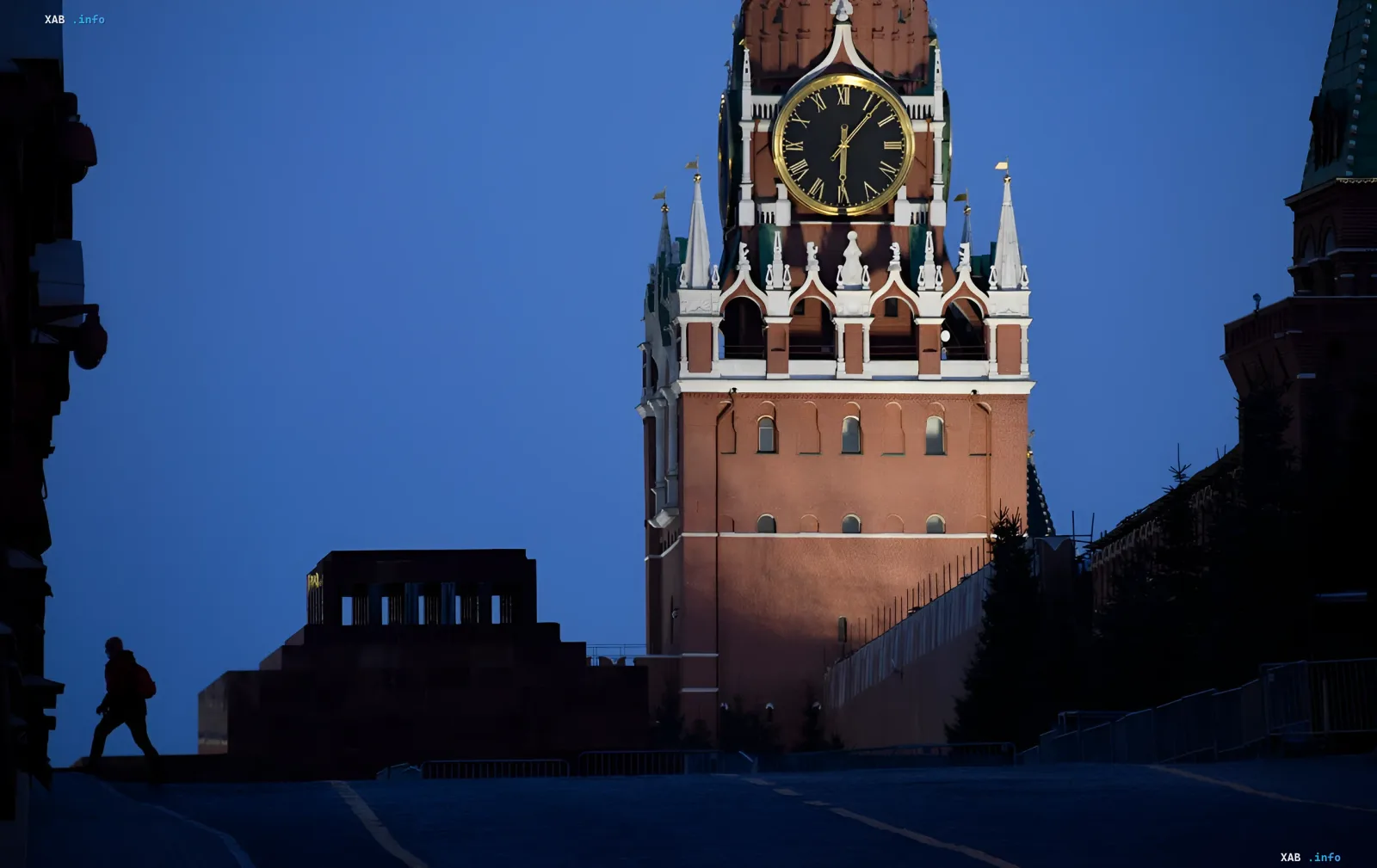
For the first time in more than two decades, the traditional concert evening dedicated to Russia Day will not take place on Red Square in Moscow. This decision has come as a surprise to many: since 2001, festive performances on the capital's main square have been an integral part of the national holiday. Now, the event has been moved to one of Moscow's cultural centers — the exact location has not yet been announced.
Authorities have not stated the official reasons for the concert cancellation. According to the Msk1 agency, cited by RBC-Ukraine, the decision was made at the last moment, and no explanations were provided to the public. Experts link this to a change in the celebration format given the current situation, although there are no official confirmations of this version.
Victory Parade as a precedent
The recent military parade on May 9 served as a kind of indicator of new approaches to organizing mass events in Moscow. For the first time since 2007, armored vehicles were not shown on Red Square — they limited themselves to marching columns of servicemen. Moreover, the Kremlin cancelled accreditation for foreign media, allowing only Russian journalists to cover the parade.
The list of foreign guests published on the Kremlin's website also raised questions: the overwhelming majority of participants represented unrecognized entities or self-proclaimed leaders. This contrasted sharply with previous years, when heads of major countries were present at the parade.
The Ukrainian factor and security
Interestingly, a month before the parade, Ukrainian President Volodymyr Zelenskyy signed a decree excluding Red Square from the list of potential targets on May 9. This, in essence, gave Russia the opportunity to hold the event without the threat of strikes. The Head of the Ukrainian Ministry of Foreign Affairs, Andriy Sybyga, previously stated that Kyiv had repeatedly received requests to refrain from attacks during parades due to the presence of leaders of influential states there.
Now, when a similar approach may be applied to the celebration of Russia Day, the question arises: is the concert cancellation part of an overall strategy to minimize risks? Or is it simply a reaction to internal organizational changes?
What's next?
Moving the concert to a cultural center is not just a technical adjustment. It is a signal that the format of festive events in Moscow is changing. Perhaps in the future, we will see more closed or local actions instead of large-scale street shows. For now, we must wait for official comments and new announcements.
One thing is clear: the era of loud concerts on Red Square may have come to an end — at least for the time being.


