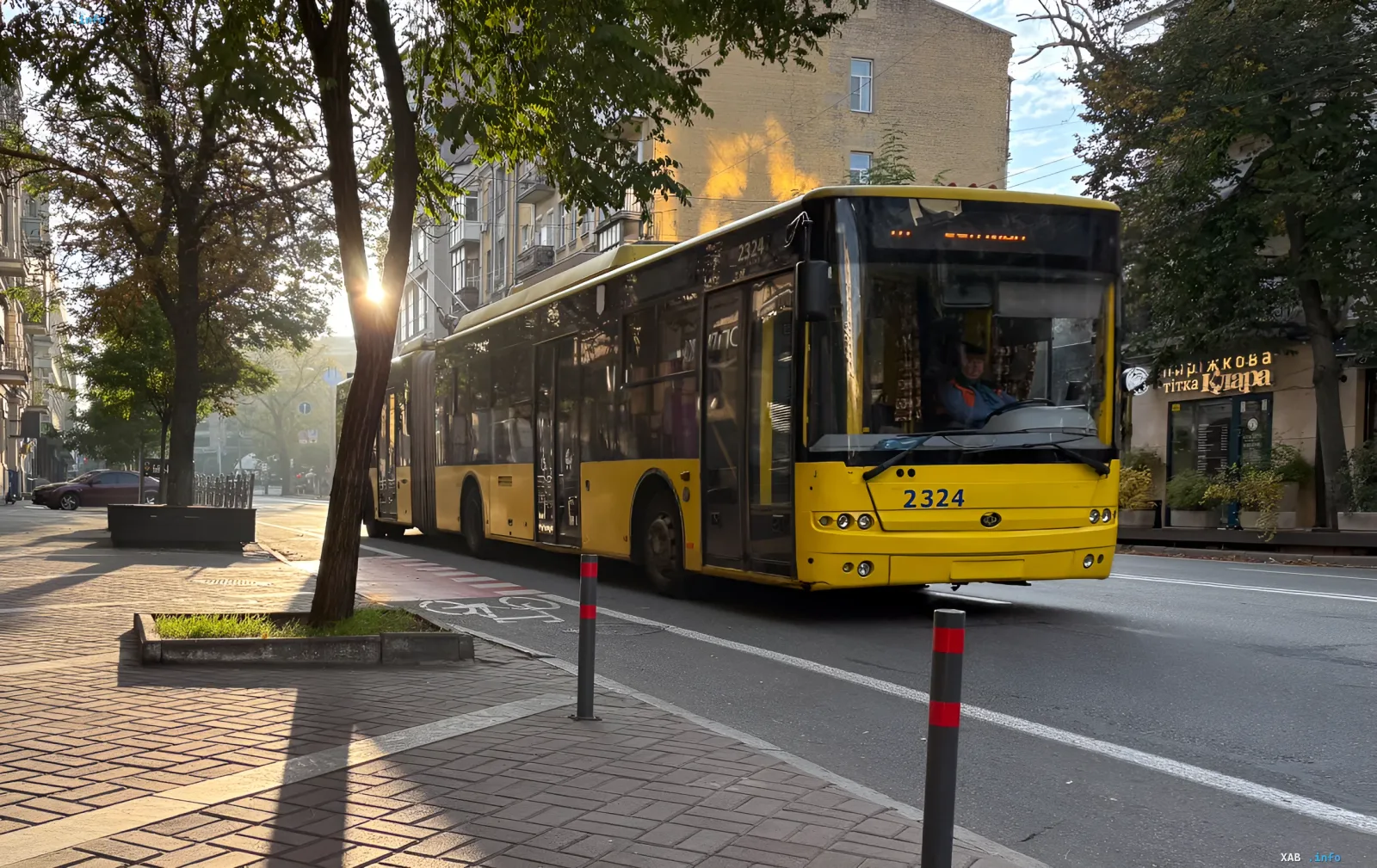
The night attack by Russian forces on Kyiv, which occurred on the night of July 11, led to serious disruptions in the city's infrastructure. In particular, significant changes affected public transport routes, forcing Kyiv residents to adjust their daily plans.
Route Restructuring: Trams and Trolleybuses
As a result of the massive strike, public transport was forced to operate on altered schemes. The most noticeable changes affected tram lines. Tram movement on route No. 8 was temporarily suspended. To ensure connectivity between districts, city authorities organized a temporary bus route No. 8T, which connects the "Pozniaky" metro station with Yaltynska Street.
The situation also changed for trolleybus passengers. Vehicle No. 27 began operating on a shortened route, connecting the "Pochaina" metro station with the Industrial Overpass. Capital residents are strongly advised to take these changes into account when planning their trips to avoid delays.
Resumption of Movement and Schedule Disruptions
The situation on the roads is gradually normalizing. It is reported that trams on routes No. 8 and No. 25 have already resumed movement along their own routes. However, a full return to the usual rhythm has not yet been achieved: transport is operating with deviations from the schedule. Passengers should be prepared for increased travel times.
Casualties and Destruction: Strike Results
In addition to logistical problems, the attack caused damage to human lives. On the night of July 11, Russian forces struck the capital with ballistic missiles. Hits were recorded in several districts of the city. According to preliminary data, 10 people were injured, including a child.
Particular attention was drawn to a hit in the Sviatoshyn district. Preliminarily, the strike hit a non-residential building, which probably helped to localize the consequences, however, the threat to the population remains relevant.


