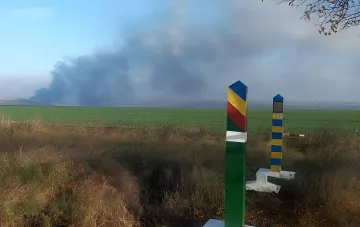

The situation on the border of Odesa Oblast with Moldova escalated on the morning of August 9, 2026. As a result of a massive combined strike by the Armed Forces of the Russian Federation launched during the night, traffic to several border crossing points has been temporarily restricted. According to the State Border Guard Service of Ukraine (SBGSU) and information from the Moldovan Customs Service press office, enemy strikes have made it impossible to pass through a specific section of the strategically important "Odesa-Reni" highway.
Logistical Collapse and Border Restrictions
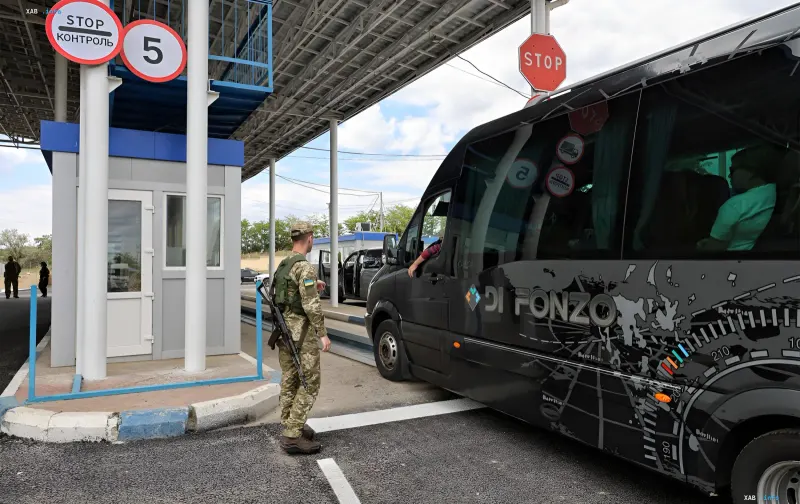
Due to infrastructure damage and security threats, the SBGSU officially warned citizens that movement to certain border crossing points with Moldova, as well as from them towards Odesa, is impossible. Authorities recommend that anyone planning trips take these restrictions into account. Information on the resumption of movement will be provided separately, but the situation remains unstable at this time.
According to updated data from the Moldovan side, the situation at the border crossing points is as follows: The "Palanca-Mayaki-Udobnoye" checkpoint is functioning exclusively for entry into Moldova. At the same time, exit from the Republic of Moldova into Ukrainian territory is temporarily possible only through the "Tudor-Starokozyach" checkpoint. This creates significant logistical difficulties for transit transport and civilians.
Details of the Night Attack and Use of Missile Systems
On the night of August 9, Russian forces used a wide range of weaponry to strike Odesa Oblast. The Ukrainian Air Force recorded the use of ballistic, anti-ship, and anti-radiation missiles. Specifically, "Iskander-M" ballistic missiles and S-400 systems were deployed, as well as "Oniks" and Kh-31P cruise missiles. Launches were carried out from the territory of occupied Crimea and the waters of the Black Sea.
The combined nature of the attack, which included both ballistic and cruise missiles and unmanned aerial vehicles, allowed Russian forces to strike multiple targets simultaneously, overloading air defense systems and causing significant damage to ground infrastructure.
Destruction in Odesa and Utility Outages
The consequences of the night shelling in Odesa were extensive. Damage and partial destruction of several residential buildings were recorded in two districts of the city. Fire destroyed and damaged numerous residents' vehicles. Critical damage was inflicted on civilian infrastructure objects: electricity and water supply completely disappeared in parts of the city.
Due to damage to power lines and substations, electric transport movement has been temporarily suspended, paralyzing the city's internal logistics. Rescue services and utility companies are operating in emergency mode, attempting to localize the consequences of the attack and restore life support.
Contradictory Data
At present, there are discrepancies in information regarding the exact status of all border crossing points. While the Ukrainian SBGSU reports a general restriction of movement to "certain checkpoints" due to road damage, the Moldovan customs service provides a more detailed picture, indicating that "Palanca" is operating only for entry. This may indicate that physical road damage is not the only reason for restrictions — security protocols may also be in effect due to the continuing threat of secondary explosions or debris, which are not always immediately synchronized in the official reports of the two countries.