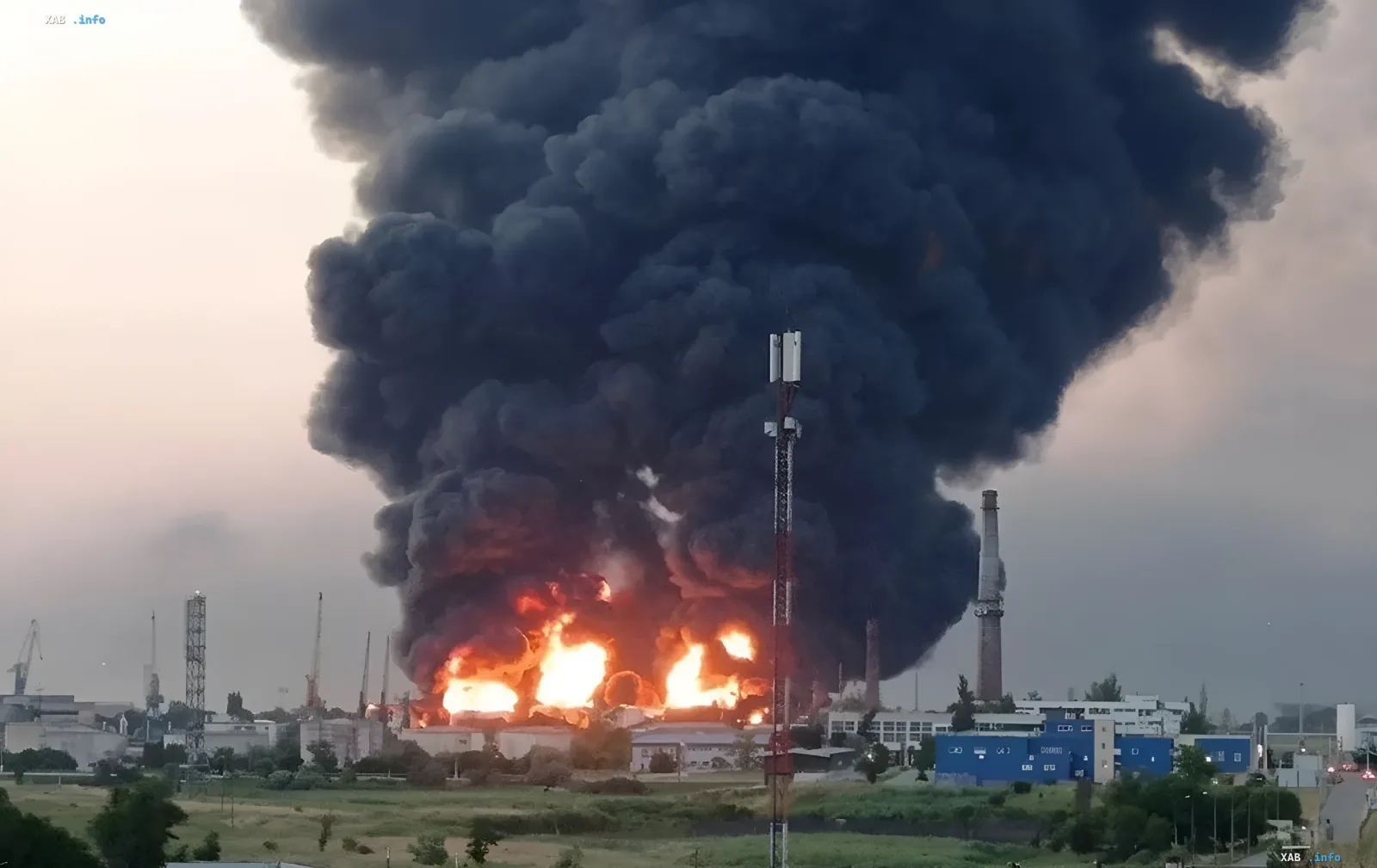
The situation on the occupied peninsula is changing rapidly. Crimea, once considered an impregnable fortress, is gradually turning into a trap for the Russian grouping. Sequential strikes on critical infrastructure are creating conditions for the complete isolation of the occupiers, depriving them of fuel, ammunition, and electricity.
Expert opinion confirms: the peninsula is becoming a zone of mortal danger. Eskender Bariyev, Chairman of the Crimean Tatar Resource Center and a member of the Mejlis of the Crimean Tatar People, stated in a comment to RBK-Ukraine that Crimea has already become a 'natural cauldron'.
Logistical dead end and energy collapse
Logistics is becoming the key factor determining the fate of the Russian grouping. If supply routes are completely blocked, the huge army will find itself isolated. Without fuel and power supply, carrying out military tasks will become impossible.
The energy infrastructure of the peninsula has suffered systemic strikes. Electricity problems are directly linked to damage to gas facilities. In particular, gas compressor stations and the Glebovskoye underground gas storage facility were attacked.
On June 23, the situation escalated to the limit. After a strike on the CHP in Kerch, a massive fire broke out on oil product tanks. The fire engulfed the industrial zone, and power supply disruptions began in a number of cities and districts.
Economic collapse and tourist exodus
The infrastructure collapse has already affected daily life and the region's economy. Residents of the peninsula are preparing for the worst-case scenario, buying non-perishable goods, although there are currently enough products in stores.
However, the most crushing blow is the mass boycott by Russian tourists. More than 58% of Russians have canceled their previously booked spots in sanatoriums and boarding houses. Citizens are massively returning tickets, understanding that reaching the peninsula due to destroyed logistics is becoming practically impossible.
The economy of Crimea, critically dependent on subsidies and the summer tourist season, is on the verge of collapse. According to Bariyev's assessment, the mass refusal to vacation will cause irreparable damage to the region.
Tightening of the regime and evacuation
Occupation authorities are forced to react to the crisis by introducing emergency restrictions. In Crimea, the operation of public transport, retail outlets, and catering establishments has been reduced. Power outage schedules and temporary restrictions on fuel sales have been introduced.
Against the backdrop of attacks and growing instability, evacuation is intensifying. According to the 'Atesh' partisan movement, families of representatives of the occupation administration and Russian law enforcement agencies are beginning to leave the peninsula.


