Russian occupation administrations are turning seized regions of Ukraine into criminal enclaves marked by a large-scale rise in crime, banditry, and lawlessness. This was reported by the Main Directorate of Intelligence of the Ministry of Defense of Ukraine as of October 2026, noting a sharp deterioration in the socio-economic situation and living conditions of the local population.
Factors of Crime Growth and Lack of Control
According to Ukrainian military intelligence, the critical situation in the occupied territories is acknowledged even in closed analytical reports from Russian agencies. Regional observers identify uncontrolled illegal trafficking of weapons and explosives, systematic offenses and street clashes involving Russian servicemen, and the spread of chronic alcoholism as the main security threats. Additional pressure on the criminogenic environment is created by an increase in cybercrimes and large-scale embezzlement of federal budget funds.
Socio-Economic Collapse and Humanitarian Disaster
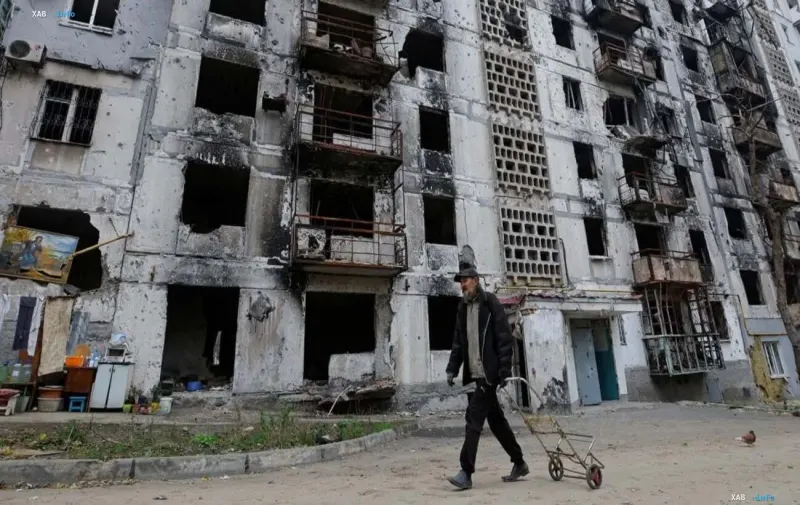
Amid growing economic problems in the Russian Federation, funding for occupation administrations is significantly decreasing. The region faces an acute shortage of jobs, food, medicines, fuel, and basic necessities. Poverty and large-scale infrastructure destruction force remaining residents to abandon their homes. The humanitarian situation remains critical, as evidenced by data on blocked settlements such as Oleshky in the Kherson region, where local residents experience an acute shortage of basic items and food.
Repressive Measures and Information Isolation
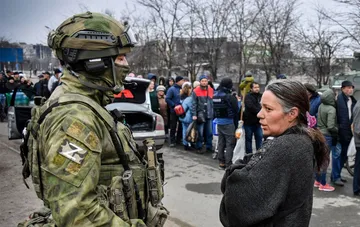
The local population in the seized territories is forced to survive under a strict counterintelligence regime, constant threats of violence, and repressions by security agencies. Concurrently, the Kremlin is trying to build an artificial positive image of the occupation through propaganda campaigns, claiming the implementation of social programs. At the same time, isolation of residents from independent sources of information is intensifying through the blocking of undesirable media, and Moscow is strengthening total control over local collaborators due to deep distrust.
Conclusions and Prospects for the Situation
The current situation demonstrates the systemic inability of the occupation authorities to ensure stability and the basic needs of the population, turning the captured lands into depressed criminal zones. Further intensification of repressions and budget cuts could lead to a complete collapse of civil infrastructure and a further exodus of the remaining population.