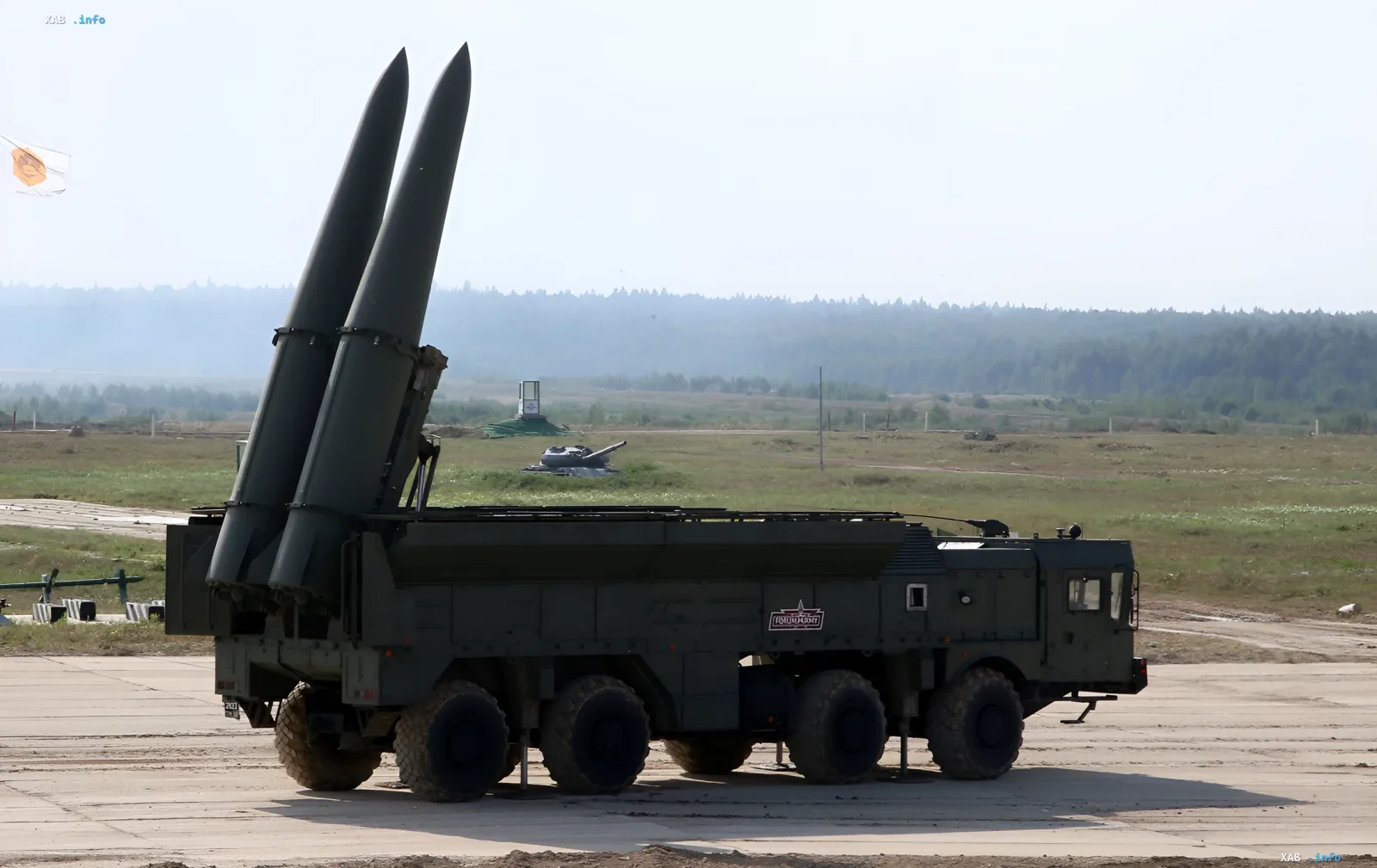
On the night of October 13, 2026, Kyiv was subjected to a massive missile strike, during which explosions rocked the capital before the official air raid siren was triggered. The situation has again highlighted the acute problem of Ukraine's air alert system's dependence on intelligence data provided by the United States. According to aviation expert Anatolii Khrapchynskyi, a key element of the defense is the SBIRS (Space-Based Infrared System) satellite constellation, capable of detecting ballistic missile launches via engine plumes almost instantaneously.
Infrared sensors on SBIRS orbital vehicles allow data regarding a missile launch to be transmitted to Ukraine's situational awareness systems—Virazh-Planshet and Delta—within just 10–20 seconds of the launch. This reduces reaction time by 6–10 minutes, a critical metric for civilian safety. Without this data, Ukrainian air defense forces must rely solely on terrestrial radar stations, which detect threats only when the target appears on the radio horizon.
The Role of Intelligence and Foreign Policy Context
Tensions regarding the exchange of intelligence did not arise in a vacuum. Media outlets previously reported warnings from US officials related to Ukrainian strikes on Russian oil refineries. Experts emphasize that partner intelligence is a unique tool with no European equivalent. While European nations possess their own radars, they cannot match the speed and coverage depth provided by global US satellite constellations.
Contradictory Data
Official versions of the incident vary. The Ukrainian leadership, including President Volodymyr Zelenskyy, stated there was no prior warning from partners before the night strike. Meanwhile, international media are discussing versions of potential "degradation" in information-sharing channels as a tool of political pressure. Air Force spokesperson Yurii Ihnat admitted that delays in receiving data from partners do occur, which compromises timely public alerts.
The situation is further complicated by technical factors: modern ballistic targets, such as S-400 or KN-23 missiles, have unique trajectories and engine emissions. Anatolii Khrapchynskyi notes that even during normal operation of the early warning system, there are difficulties in tracking missiles during the final flight phase. In the current reality, the lack of integration with US data turns every ballistic bombardment into a severe test for the air defense system and civilian safety.