
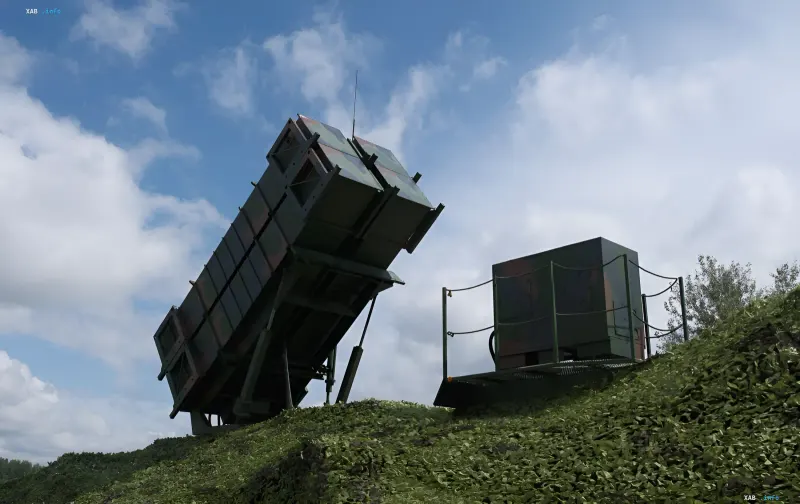
Ukraine has appealed to 40 partner countries for the urgent supply of missiles for Patriot air defense systems as early as July. This was reported by RBC-Ukraine citing an official statement from the Ministry of Defense. The ministry emphasized that current ammunition stocks are critically low, and intercepting ballistic missiles remains the primary challenge for the country's air defense system.
Exchange Mechanism and Current Contracts
Kyiv is offering partners to provide missiles in exchange for future supplies that have already been contracted for Ukraine. The Ministry of Defense noted that in April, a record contract for hundreds of PAC-2 missiles for Patriot systems was signed with German support. These munitions will begin arriving over the coming years, but they will not solve the immediate shortage problem.
Furthermore, a step has been taken for the first time to purchase about a hundred missiles for Patriot worth $1 billion through a European Union loan. This year, Ukraine also began receiving missiles from the stockpiles of friendly countries for the first time. Nevertheless, the Ministry of Defense admitted that these measures are insufficient.
Dependence on Partner Decisions
The ministry highlighted that the necessary missiles are already in the stockpiles of partners. The protection of the Ukrainian sky directly depends on the speed of decision-making and the scaling of PURL (accelerated procurement procedure) and JUMPSTART mechanisms. Without these tools and additional supplies, ensuring the country's anti-ballistic defense remains under threat.
Earlier, the Air Force of the Armed Forces of Ukraine reported a critical shortage of missiles not only for Patriot but also for NASAMS and IRIS-T systems. In some units, ammunition stocks have been almost completely exhausted.
Political Agreements and Delays
President Volodymyr Zelenskyy previously stated that Ukraine had reached a political agreement on the purchase of additional Patriot systems. However, the implementation of these plans is facing delays due to the need to resolve complex financial, legal, and technical issues. In the conditions of the ongoing war, every delay in air defense supplies directly affects the safety of civilians and infrastructure.


