

By the summer of 2026, the situation on the front lines had undergone fundamental changes. According to a new study by the Center for Strategic and International Studies (CSIS), published in July, Russia has definitively lost the military initiative in Ukraine. Analysts Seth Jones and Riley McCabe, having analyzed over 20,000 incidents, state that the price of the war for Vladimir Putin's regime has become unsustainable, while the tactics of Ukrainian forces utilizing artificial intelligence have shifted the conflict into a new phase.
Unprecedented Losses and Personnel Shortages
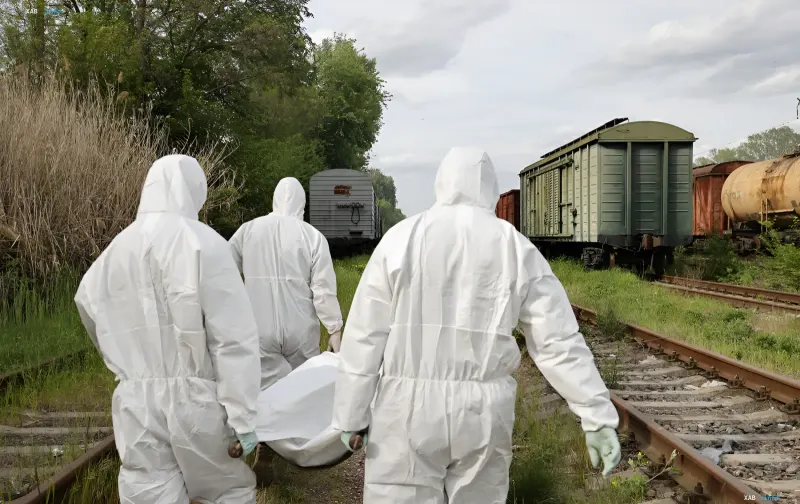
The figures cited in the report "Russian Blood and Treasures" are shocking in their scale. From the start of the full-scale invasion in February 2022 to June 2026, the Russian Armed Forces suffered approximately 1.4 million combat casualties. This number includes killed, wounded, and missing in action. Irreversible losses (killed) are estimated to be in the range of 400,000 to 450,000 people.
For comparison: these figures are more than four times higher than the total US losses in all wars after World War II and nine times greater than the combined losses of the USSR and Russia over a similar period, including Afghanistan and Chechnya.
A critical factor was Moscow's inability to replenish these losses. In the first half of 2026, monthly losses of the Russian army reached between 30,000 and 34,000 people, while the recruitment of new soldiers provided only about 27,000 recruits per month. This created a persistent personnel deficit that could not be covered.
Shift in the Balance of Power: From 3:1 to 8:1
The casualty ratio, which for most of the war fluctuated in Ukraine's favor in the range of 2:1 or 3:1, rose to 8:1 by 2026. The Russian ground offensive has effectively stalled. The advance of occupation forces is measured in tens of meters per day, which analysts compare to the pace of the Battle of the Somme in World War I.
Furthermore, in the spring of 2026, Russia began losing territory overall for the first time since August 2024. In April and May, the occupiers lost more land than they captured, resulting in a net loss of about 400 square kilometers.
AI Revolution and "Smart" Drones
The key factor in the turning point was the integration of artificial intelligence into the Ukrainian war machine. CSIS analysts cite the example of the autonomous Hornet attack drone. Its cost is only $6,000, and its range reaches 150 km.
The main advantage of such drones is the onboard AI, capable of analyzing video feeds in real-time, distinguishing real targets from decoys, and striking without satellite communication. This makes them practically invulnerable to Russian electronic warfare (EW) systems.
According to experts, more than 90% of Russian losses in so-called "kill zones" (a strip 20–40 km wide along the front) are now the result of drone operations rather than traditional infantry combat.
Strikes on Deep Rear Areas and New Alliances
Ukraine is successfully conducting a campaign of aerial interception and strikes on the enemy's deep rear. Targets are located more than 6,000 kilometers from Kyiv, including the Ukrainka airbase. At the same time, active operations are being carried out in the near rear: in Crimea and Belgorod.
To scale these successes, Ukraine is seeking new partners. President Volodymyr Zelenskyy, during a visit to Dublin, proposed that Ireland conclude a special agreement in the field of drone technologies — the Drone Deal.
Domestic Production and Belief in Victory
To ensure the front with necessary resources, large-scale production of explosives has been launched within the country. The Brave1 cluster summarized the results of the first grant competition, within which about 1 billion hryvnias were invested. This will allow Ukrainian companies to significantly increase their monthly tonnage of production.
Despite the protracted nature of the conflict, polls show that the majority of Ukrainians still believe in victory. Although opinions regarding the future borders of the country are divided, confidence in the ultimate victory remains dominant.


