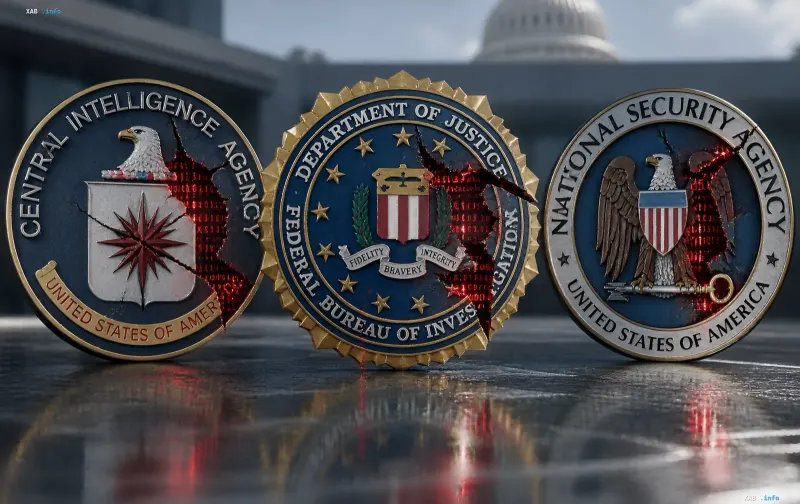
U.S. intelligence agencies have faced an incident that, according to The New York Times, could have affected the open-source intelligence (OSINT) platform used by the Central Intelligence Agency, the Office of the Director of National Intelligence (ODNI), and the National Geospatial-Intelligence Agency. The first signs of a potential breach, according to sources, point to Chinese involvement. Officials confirmed the incident itself and stated that it has been resolved, but did not disclose exactly what materials the intruders accessed or whether they managed to download data.
What the platform is and why it matters
The affected system helps collect and analyze publicly available information as well as information purchased from commercial vendors: materials from websites and social media, commercial satellite imagery, and data from private brokers. This information itself is not classified, so intelligence agencies assured that critical capabilities and secret networks were not compromised. The risk, according to experts, lies elsewhere: the search history and analyst activities reveal to hackers which countries, people, or events U.S. intelligence services are monitoring, which could expose the current priorities of American intelligence and its gaps in data collection.
The Chinese trace and the ARTEX tool
The identity of the attackers and their affiliation have not been officially established. However, according to sources for The New York Times, ARTEX — an automated protection testing platform created by a Chinese developer — may have been used during the attack. The tool connects to external language models and is capable of independently finding systems available on the network, identifying vulnerabilities, and performing subsequent attack steps. The code appeared on GitHub in July 2026, and on October 8, the author under the nickname Autumn-27 deleted the public repository following reports of the platform being used in attacks on South Korean banks. Despite the developer's claim that the program was created for legal security audits, copies, translations, and modified builds continue to circulate online.
Context: NSA malfunctions and FBI/CIA breaches
National security officials are paying close attention to parallel incidents. Last week, a classified network used by the NSA for internal communications was down for several days; according to Intelligence Director Jay Clayton, the likely cause was a failed software update rather than a cyberattack. There were also reports of an impact on a key facility in Georgia that supports electronic intelligence and cyber operations in the Middle East, where the U.S. is waging war against Iran. The agency clarifies that the most sensitive NSA intelligence collection systems were not affected, and the failure was resolved by Friday.
Risk assessment: AI accelerates both discovery and creation of vulnerabilities
Cybersecurity experts note that the vulnerabilities being patched at the NSA are only part of a large number of new software bugs that artificial intelligence is helping to find. As a result, government agencies and companies are detecting more bugs, rushing to fix them, and sometimes making mistakes themselves. At the same time, the fact that ARTEX may have been used does not prove the involvement of the Chinese authorities: the code was publicly available, so operators from different countries could have used it, and U.S. officials have not yet named the alleged customer of the attack.