

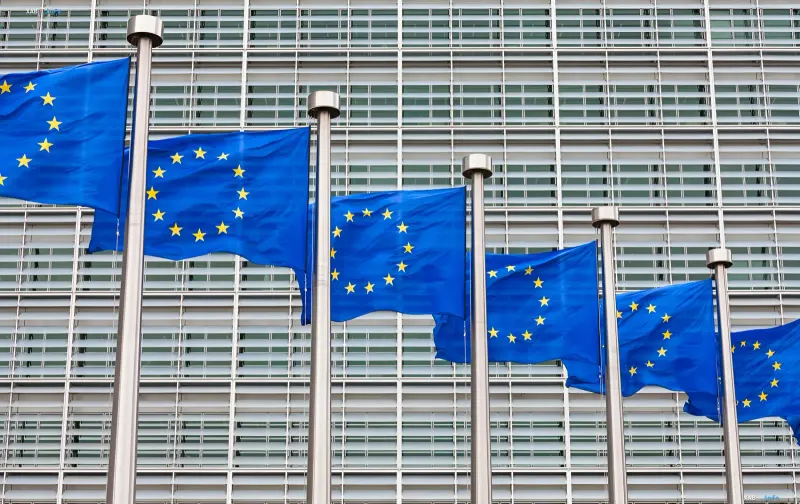
The European Union has moved from words to action regarding enlargement. On June 3, the Cypriot Presidency of the Council of the EU officially began preparations for the formal opening of the first cluster of accession negotiations for Ukraine and Moldova. This decision is the result of extensive work and signals that the process of integrating these countries into the European space is gaining momentum.
Start of the fundamental phase
The initiative for the preparatory process comes directly from the Cypriot Presidency. In the coming days, work on finalizing discussions within the Council of the EU will continue. The goal is clear: to launch the negotiation mechanism, which is a mandatory condition for obtaining full membership status.
The first cluster of negotiations, the opening of which is planned, covers the most critical and fundamental issues. Its agenda includes:
- Rule of law;
- Democratic standards;
- Observance of fundamental human rights.
It is these parameters that serve as the first filter through which candidate countries must pass. Without successfully completing this stage, further progress towards membership is impossible.
Signal of unity and political support
Representatives of Cyprus have called this step a "significant milestone" on the path of European integration for both countries. Official Brussels views the launch of negotiations as a "strong signal of unity and determination of the European Union." This confirms that, despite external challenges, the course towards enlargement remains a priority.
Political support for this step is also being voiced from other capitals. Earlier, German Chancellor Friedrich Merz publicly called on the EU to open the first negotiation cluster for Ukraine's accession as soon as possible. Merz emphasized a key point: bilateral disputes, in particular between Kyiv and Budapest, should not become a blocking factor for the country's European integration course.
Timeline forecasts
European officials are already providing preliminary assessments of the prospects. In their opinion, Ukraine has the potential to complete most of the negotiation stages within the next 12–18 months. This is an ambitious but realistic forecast, which depends on the pace of reforms and the political will of all parties involved in the process.


