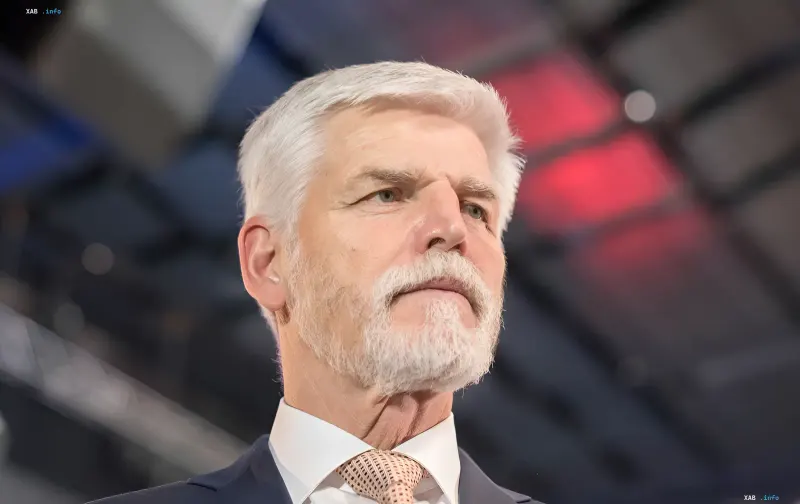
Czech President Petr Pavel has publicly criticized the performance of Defense Minister Jaromír Zuna, stating that his work is destructive in nature and harms the state. The head of state directly linked this assessment to the minister's stance on Ukraine, pointing out that it does not serve the republic's interests. The statement came amid mounting domestic political tensions surrounding Prague's defense policy and its participation in supporting Kyiv.
Obstacles to Ukraine Trip
As a specific example, Pavel cited a situation in which, according to him, Zuna prevented Chief of the General Staff Miroslav Hlaváč from traveling to Ukraine. The purpose of the visit was to study Ukrainian combat experience, which the Czech side views as valuable for training its own armed forces. "I must say that I perceive his activity rather as destructive, as harming the Czech Republic, and not as something that helps us in any way," the president stated, effectively calling the minister's effectiveness in office into question.
Personnel Measures and Defense Spending
The head of state expressed separate concern over what he termed "certain non-standard personnel measures" within the Ministry of Defense. Pavel also pointed to Zuna's repeated attempts to limit defense spending, as well as his public statements that allocating 2% of GDP to defense is sufficient. The president believes that such a position does not meet security requirements and hinders the modernization of the armed forces amid the ongoing conflict in the region.
Political Context of the SPD Party
According to Pavel, the minister's stance on defense spending and support for Ukraine aligns with the political course of his party, Freedom and Direct Democracy (SPD). The president drew attention to the fact that supporting Ukraine is not a priority for this political force either, which, in his assessment, explains the logic of Zuna's actions as defense minister and shapes the overall vector of his decisions.
Koalicja 2026 Exercises and EU Aid Blockage
Earlier, Petr Pavel also called the decision not to involve Czech military personnel in the Koalicja 2026 exercises unfortunate. As part of these drills, the armed forces of 11 European countries practiced scenarios in Poland for supporting peace in Ukraine following the end of Russian aggression. Against this backdrop, the Czech Republic reportedly threatened to block massive EU assistance for Ukraine, further intensifying pressure on Prague from both the president and international partners.