
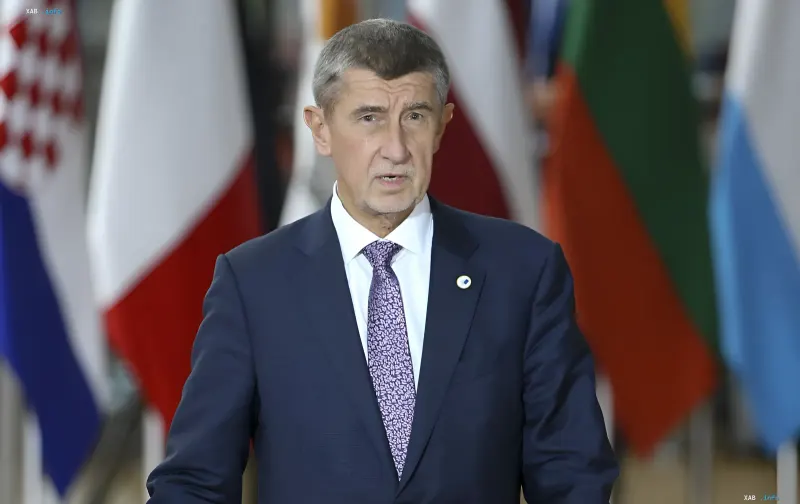
Amid preparations for the NATO summit in Ankara, a clear position regarding future financial aid to Kyiv has emerged in the Czech Republic. Prague is ready to support large-scale initiatives to rebuild the Ukrainian economy, but with a significant condition: the country does not plan to make direct budgetary injections.
Czech Prime Minister Andrej Babiš confirmed that the republic will not block the proposal to allocate 70 billion euros to Ukraine this year and a similar amount next year. However, the politician immediately defined the limits of his country's responsibility.
Priority of the Defense Budget
Prague's main argument is the need to fulfill commitments to NATO. Babiš stated that the Czech budget must focus on meeting the 2% of GDP norm for defense. Therefore, according to the Prime Minister, financing large-scale reconstruction projects should be the responsibility of larger powers, as it has been in previous years.
"Of course, we will not pay Ukraine money from the Czech budget, because we need it mainly to meet the two percent," emphasized the head of government, pointing to the logic of distributing the financial burden.
President's Position: The Logic of Long-Term Partnership
Czech President Petr Pavel supported the idea of the country's participation in reconstruction, but with an emphasis on strategic expediency. He believes it would be "foolish" to complicate participation in this process, given that the Czech Republic has been providing intensive support to Kyiv for four and a half years.
For Pavel, a sovereign and strong Ukraine is a guarantee of security for all of Europe. He noted that Kyiv is fundamentally changing its approach to waging war and has become one of the strongest players in the defense sector on the continent. The President called for a national discussion on a long-term strategy to avoid losing influence in post-conflict settlement.
Political Context and Migration
Financial discussions in Prague are taking place against the backdrop of harsh rhetoric regarding migration policy. Earlier, the leader of the SPD party and head of the Chamber of Deputies, Tomio Okamura, declared his intention to abolish the temporary protection status for Ukrainian refugees. This creates a complex background for developing a unified state position: on the one hand, recognition of the importance of the Ukrainian army for Europe; on the other, internal pressure to reduce spending and migration flows.
Thus, at the NATO summit in Ankara, the Czech Republic will advocate for large-scale funding for Ukraine but will try to minimize its direct financial responsibility, delegating this role to leading world economies.


