

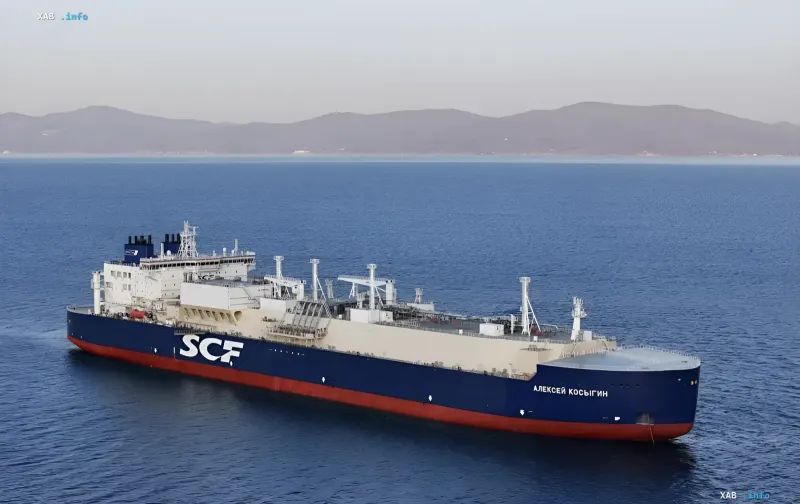
While Europe tightens sanctions pressure on the Russian energy sector, a curious situation is unfolding in Denmark. The Danish shipyard Fayard, the only enterprise in the European Union capable of servicing specialized Arc7-class icebreakers, continues to accept Russian gas carriers. This comes amid sharp criticism from the country's Prime Minister and impending bans on servicing sanctioned vessels.
Technical Dependence and Rush
Arc7-class tankers are unique vessels designed to transport liquefied natural gas (LNG) from Russia's Arctic "Yamal" project to ports in North-Western Europe. Due to their complex construction and specific operational requirements, these vessels are critically dependent on European shipyards that possess the necessary technical expertise and geographical location.
According to the analytical organization Urgewald, six of the 15 tankers in the Arc7 fleet have scheduled visits to the Fayard shipyard this summer season. Experts link this rush to approaching new restrictions: the European Union plans to introduce a complete ban on technical maintenance for sanctioned vessels by 2027. Furthermore, the bloc intends to completely abandon the import of Russian gas as early as next year.
Political Confrontation
Danish Prime Minister Mette Frederiksen has repeatedly expressed bewilderment regarding the shipyard's work for the "Yamal" fleet. According to her, such activity is "completely incomprehensible," and the shipyard should cease servicing Russian vessels. However, at present, the authorities lack leverage to force compliance, as the technical maintenance of such vessels is not formally illegal.
The shipyard's activity statistics are impressive: since the beginning of Russia's full-scale invasion of Ukraine, Fayard has received 15 vessels, five of which arrived last year.
Precedents and Tightening of the Regime
The situation in Denmark contrasts with the actions of other European players. The Dutch company Damen, which previously serviced the Arc7 fleet at its French shipyard in Brest, ceased cooperation as early as last August. The company explained the decision by the foreign policy of the Netherlands, which does not allow assistance in the export of Russian gas. Since the start of the war, Damen has received eight Arc7-class vessels.
It is worth noting that a criminal investigation has already been opened against Damen in the Netherlands due to suspicions of violating EU sanctions against Russia. In parallel, the British government announced its own ban on providing maritime services to vessels operating in the interests of the Russian Federation as part of a campaign to limit the Kremlin's revenue.
Rising Tensions at Sea
The global fight against Russia's "shadow fleet" goes beyond diplomatic notes and economic bans. At the end of May, three shadow fleet tankers were attacked off the coast of Turkey. According to Vladyslav Vlasjuk, the President of Ukraine's Commissioner for Sanctions Policy, these vessels have been under Kyiv's scrutiny for years due to systematic sanctions violations.
Another high-profile incident occurred on June 1, when the French Navy boarded the sanctioned oil tanker "Tagor" in the Atlantic Ocean. French President Emmanuel Macron stated that shadow fleet vessels are financing Russia's war against Ukraine and violating norms of international maritime law.


