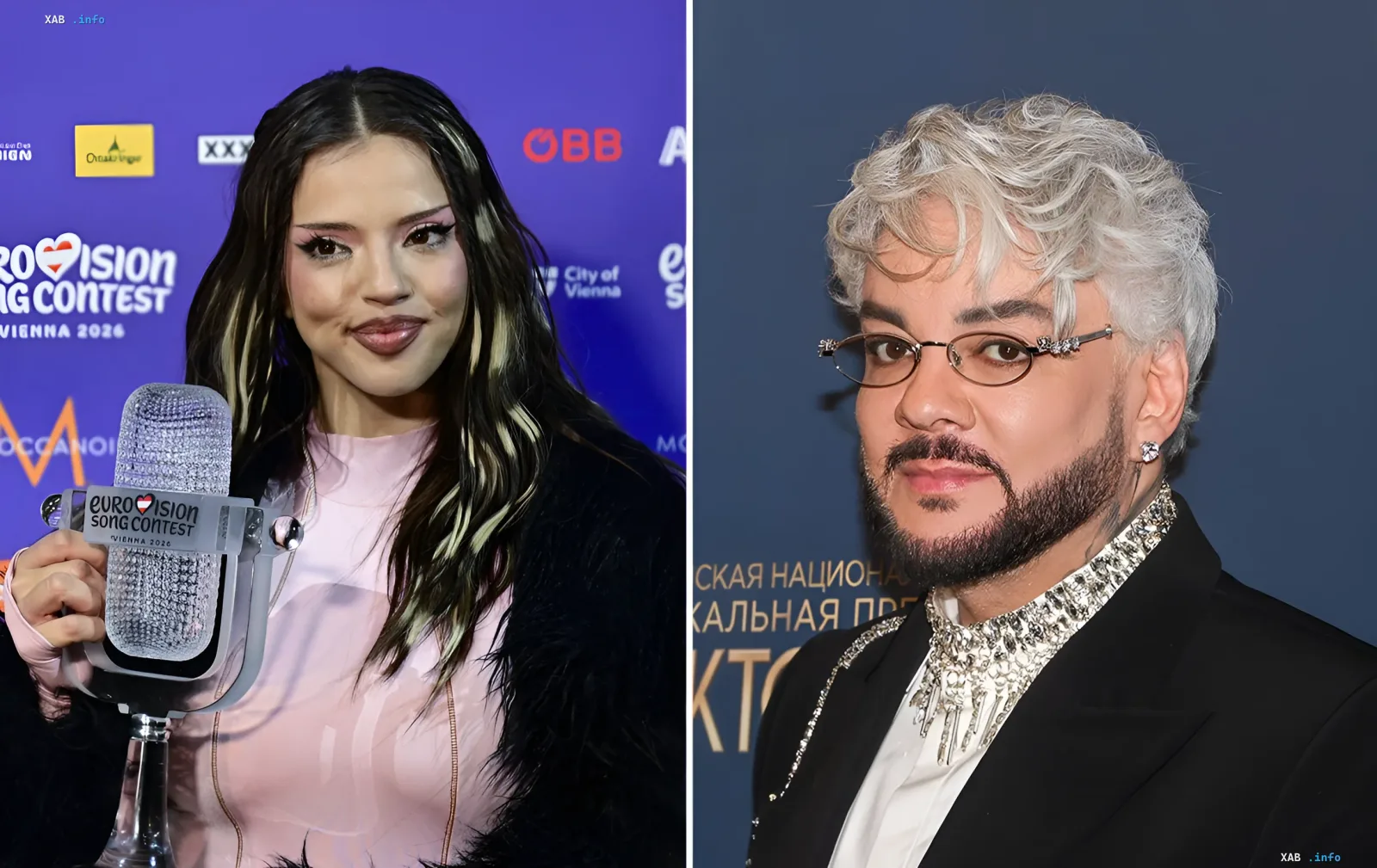
A surprising scandal has erupted around the victory of Bulgarian singer DARA at Eurovision 2026 in Vienna. Russian pop artist Philipp Kirkorov publicly claimed involvement in the performer's triumph, but the winner herself firmly refuted these words, calling them a lie.
Kirkorov's Claims: "I Won This Contest"
In his Instagram, the artist published a provocative post accompanied by an image of a Trojan horse with his face on it. In the text, he stated that he decided to "close the gestalt" of the contest on his father's birthday, who was originally from Bulgaria. According to the singer, he allegedly met with the General Director of the Bulgarian broadcaster Emil Koshlukov, found an investor to finance the country's participation, and personally prepared the singer through his production company Dream Team.
"Morally, I am satisfied. I won this contest," wrote Kirkorov, positioning himself as the main ideologist of the success.
Facts vs. Fiction: DARA's Response
The contest winner, whose song "Bangaranga" brought victory to Bulgaria, did not remain silent. She officially refuted the Russian performer's involvement in the creation of the hit. In her comment, the artist emphasized the chronology of events:
"With all due respect, but 'Bangaranga' was written in 2023 at the Sofia Song Camp," the singer stated.
DARA also thanked Kirkorov for "moral support," but clearly defined the boundaries of his participation. In fact, she debunked the myth that his team was behind the success of the act.
Who Actually Worked on the Victory
The question of the real creators of the hit was finally settled after the publication of the official list of the Bulgarian delegation's team. Philipp Kirkorov's name was absent from the document.
The composition was worked on by Greek composer Dimitris Kontopoulos. Notably, Ukrainians were found among the specialists responsible for the visual part of the performance. It was they who were engaged in creating visual effects for DARA's act.
Fan Reaction and the Artist's Response
After the publication of posts on social media, an active discussion unfolded. In the comments under DARA's response, Russian users appeared who began demanding gratitude from the singer, insisting that her success was allegedly impossible without Kirkorov.
To these reproaches, the artist reacted laconically, without going into long explanations, but leaving her words as the final verdict in this dispute. Thus, the Russian singer's attempt to "piggyback" on the victory of the Bulgarian star proved unsuccessful, and the facts of the work on the song refuted his claims.


