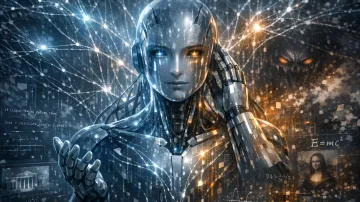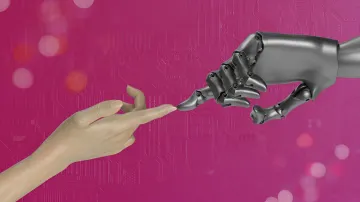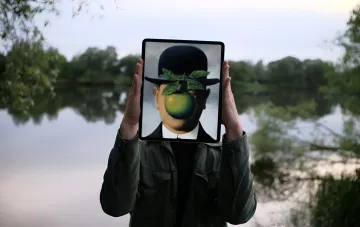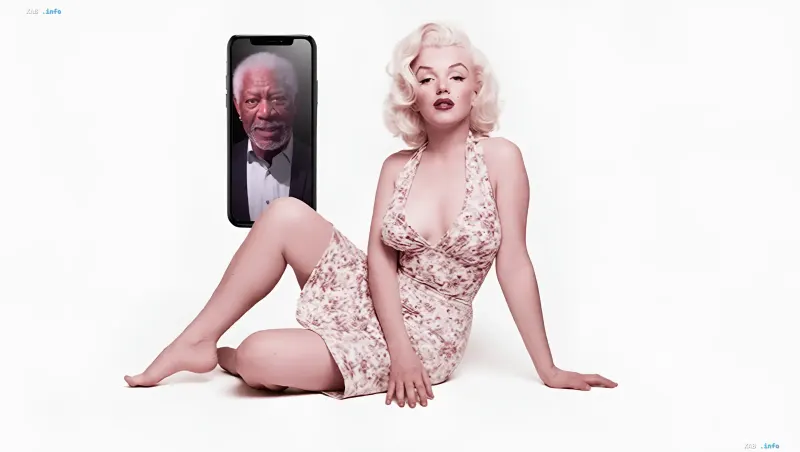
A deepfake is an image, video, or audio recording created using artificial intelligence that convincingly imitates a real person. Until recently, the reliability of a photograph was virtually unquestioned: the frame was considered proof. Today, however, the line between truth and forgery is blurred to such an extent that sorting it out is becoming increasingly difficult. According to data cited in a BBC report, around eight million such AI-generated materials were spread across the internet in 2025, and expert estimates put the global economic damage from deepfake fraud at over two billion US dollars.
The Scale of the Phenomenon: Eight Million Materials in a Year
The figure of eight million AI-generated materials for 2025 shows that deepfakes have ceased to be a niche phenomenon or a tool for small groups of enthusiasts. This is now a massive flow of content that daily floods social networks, messengers, and advertising platforms. The scale of dissemination means that the average user encounters such materials regularly, even without realizing it—a fake can arrive in a familiar format: a video, a picture, or a voice message.
Billions of Dollars in Damage
Experts estimate global losses from deepfake fraud at over two billion US dollars. This confirms that behind the entertaining or provocative facade of forgeries lies an economic and criminal subtext: fabricated voices and faces are used for deception, pressure, and financial gain. When technology makes it possible to reliably reproduce the appearance and speech of a specific person, anyone can become a victim—from an individual to a corporation or a government institution.
The Erosion of Trust: Where is the Truth and Where is the Fake
The core problem with deepfakes is not the forgeries themselves, but the destruction of the very principle that “seeing is believing.” A phone call from a best friend, an internet advertisement, a political post on social media, an intimate photo sent via Snapchat—anything at all could turn out to be a deepfake. It is in this everyday uncertainty that the social damage manifests: a person stops trusting not only the content, but the communication channel, and even close ones. The forgery integrates into familiar communication scenarios, making it especially dangerous and hard to recognize.
How We Got Here
The transition from “photography doesn't lie” to “any frame can be fabricated” was made possible by the rapid development of generative AI models, which have learned to reproduce a person's visual and vocal likeness with a high degree of plausibility. The combination of the availability of such tools, the massive spread of digital images and voices in the public domain, and the lack of unified labeling standards for generated content has led to a situation where verifying authenticity has become a constant task for every user. The question “how did we get here” sounds today not as a rhetorical one, but as a call to awareness: in a world where AI can create a convincing fake in seconds, a critical attitude toward any media becomes a basic skill of digital hygiene.