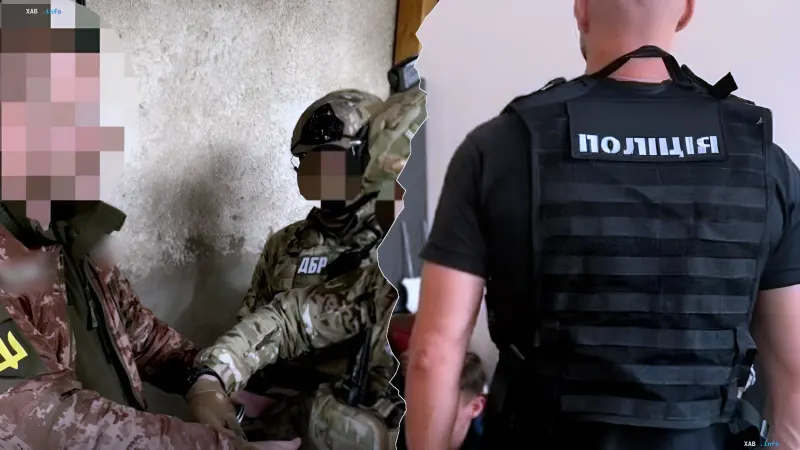
On August 14, 2026, the Internal Security Department of the National Police of Ukraine, together with the Special Prosecutor's Office for Defense and Security of Ukraine, announced suspicion against a 46-year-old acting head of one of the district Territorial Recruitment and Social Support Centers (TCC) in Kharkiv. The suspect is charged with entering knowingly false data into the unified state information system for accounting military personnel «Oberyg» with the aim of falsifying mobilization indicators.
Mechanism of Data Falsification
According to pre-trial investigation materials, the official, possessing registrar rights and a personal electronic access key, entered records into the database stating that specific military personnel were allegedly mobilized and sent to military units. After entering such records, the system automatically changed the citizens' status to "mobilized" and removed them from active mobilization accounting. In reality, none of these citizens were delivered to military units, and their surnames are absent from the personnel lists of the Armed Forces of Ukraine.
According to the investigation, 10 episodes of such actions have been documented so far. An indictment has already been sent to court against the suspect for similar facts; however, while under investigation, he continued to commit similar acts.
Motives and Consequences of Actions
The National Police states that the official's main goal was to improve the statistical indicators of his unit before the leadership. However, the investigation considers another version: such actions may be used to remove citizens from real mobilization. A citizen listed in the system as "already serving" effectively receives protection from street checks and repeated summons, continuing to lead a civilian life.
The official's actions are classified under Article 362 of the Criminal Code of Ukraine (dereliction of duty), which provides for punishment in the form of imprisonment for a term of up to six years. In the event that facts of abuse of office are confirmed, the punishment may be aggravated.
Systemic Nature of the Problem
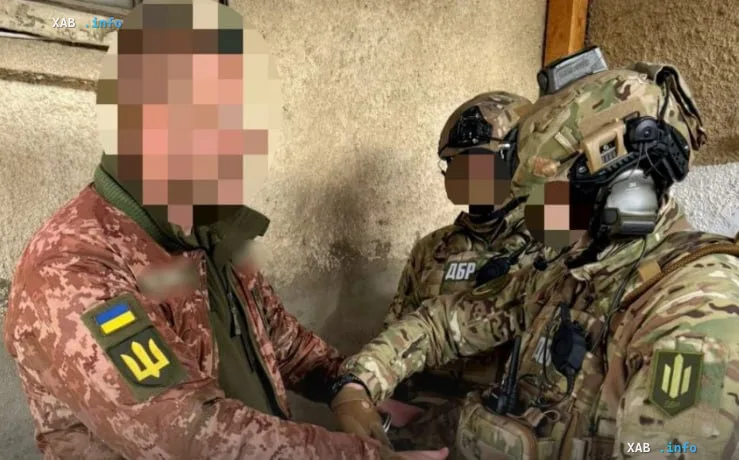
The Kharkiv incident is part of a broader trend observed in TCCs across Ukraine. Literally a week ago, on August 6, 2026, law enforcement agencies uncovered similar schemes in Volyn and Bukovyna, where heads of local TCCs entered more than 120 fictitious mobilizations into the «Oberyg» system. In Chernivtsi Oblast, non-existent persons were registered, and in Volyn, active military personnel were "mobilized again."
In total, recently the National Police has announced suspicions against 76 TCC heads of various levels. Experts note that strict control over the fulfillment of mobilization plans creates pressure on regional authorities, leading to such violations.
Contradictory Data
There are differences in assessments of the scale of the problem. On the one hand, official data from the National Police indicates 76 cases of suspicion against TCC heads. On the other hand, independent human rights organizations and experts in the field of digitalization claim that the real figures may be significantly higher, as many cases remain undetected due to the complexity of verifying data in the «Oberyg» system.
Departmental Reaction and Prospects
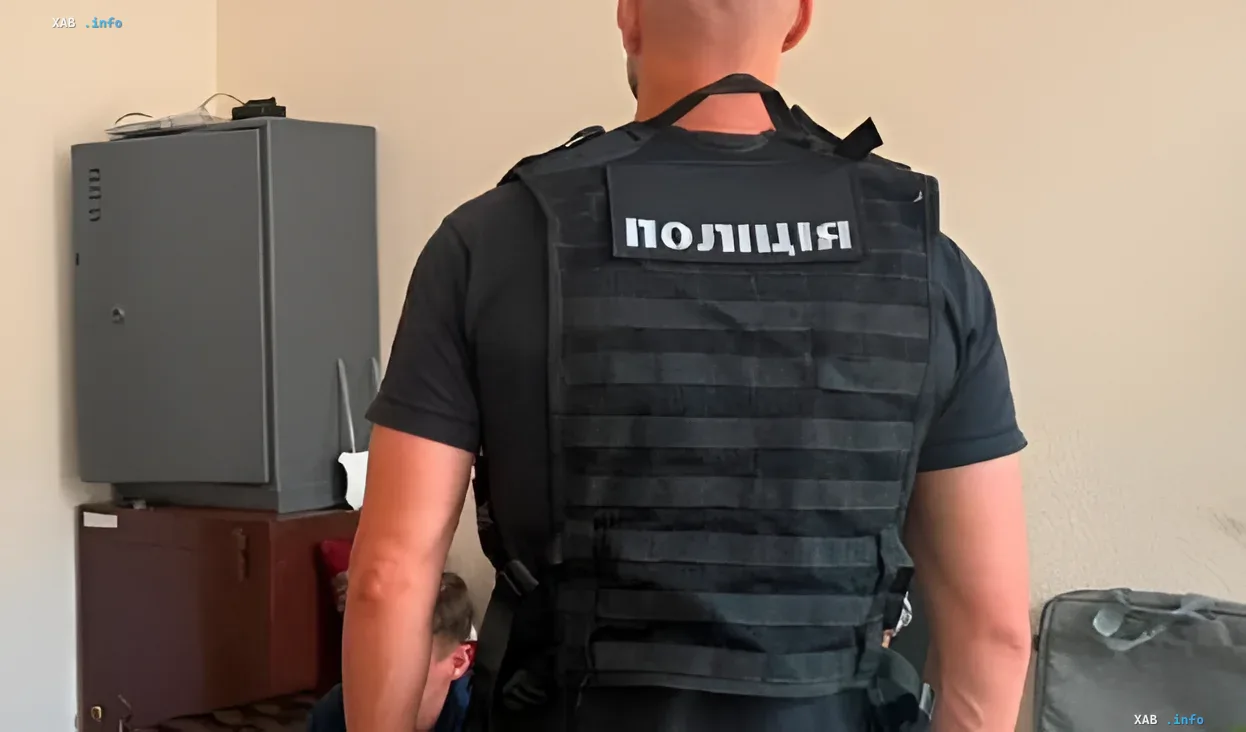
The Ministry of Defense of Ukraine and the General Staff of the Armed Forces of Ukraine state the need for an urgent review of data verification algorithms in the «Oberyg» system. In particular, the possibility of introducing additional levels of verification and automatic cross-checking of data with other state registries is being considered.
The investigation into the case of the Kharkiv official continues. It is expected that in the near future, additional checks will be conducted in other regions of Ukraine to identify possible similar violations.