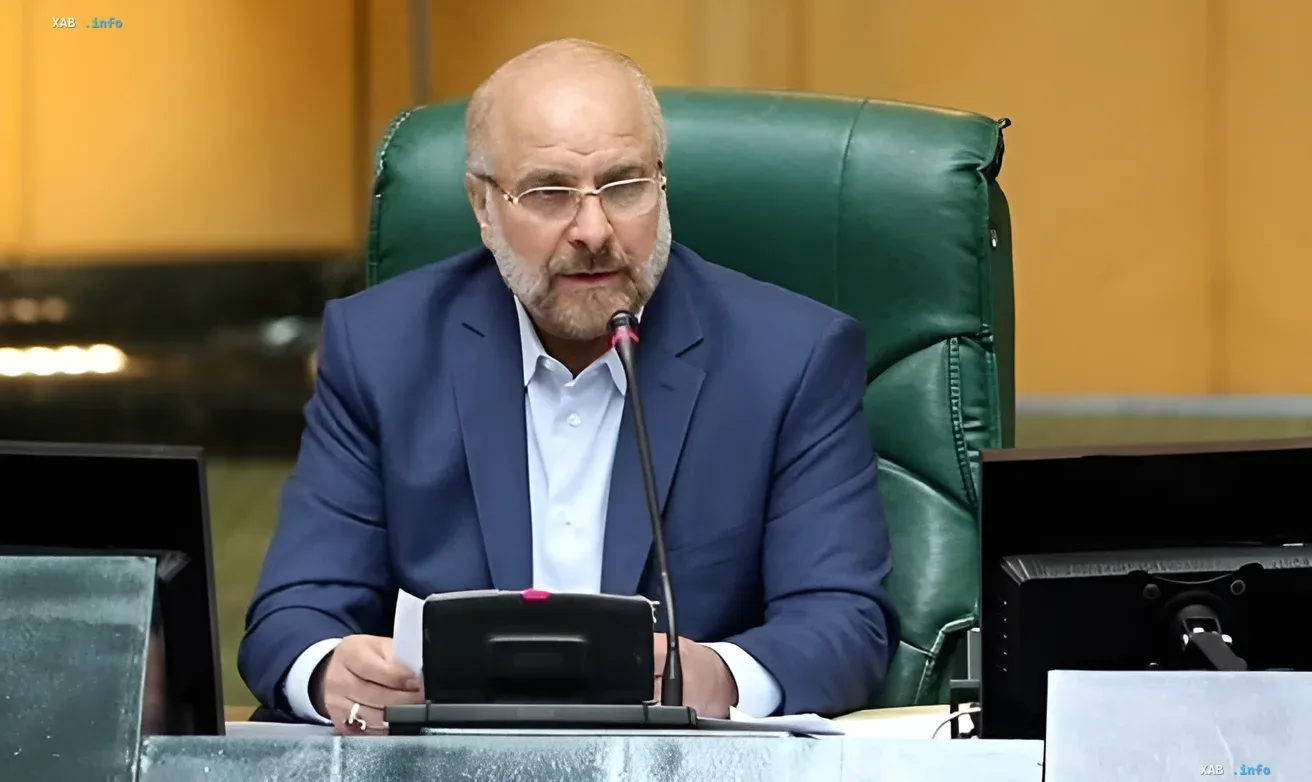
The situation in the Middle East has entered a critical phase. Iranian Parliament Speaker Mohammad-Bagher Ghalibaf officially confirmed that the signing of a peace agreement with the US, which was expected today, has been scuttled. The reason for this decision was Israel's airstrike on Beirut, which Tehran called the final point in the current round of negotiations.
This statement effectively buries recent optimistic announcements from the White House about a "100% deal." Instead of a diplomatic breakthrough, the region is returning to a course of hard escalation, where forceful pressure replaces diplomacy.
Collapse of Trust and the "Two Cops" Tactic
In his statement, Ghalibaf outlined a fundamental shift in Iran's position: complete distrust of Washington. Tehran is no longer willing to separate the actions of the US and Israel. According to the speaker, the American administration either fully coordinates IDF strikes, using the "good cop, bad cop" tactic, or is unable to control its key ally.
In both cases, the result for Iran is the same: any US signatures on peace documents become legally void. Ghalibaf made it clear that attempts to force geopolitical concessions through force—via strikes on the Dahiyeh district in Beirut—have had the opposite effect. Instead of concessions, Tehran is completely withdrawing from the negotiation process.
Cessation of Diplomatic Dialogue
Ghalibaf's formulation that "it is already impossible to talk about continuing this path" is a signal of freezing contacts through diplomatic channels. Iran is effectively closing the door to further negotiations, considering that the conditions for dialogue have been destroyed by Israel's military actions.
Markets Reacted Instantly
The economic consequences of the diplomatic failure did not keep themselves waiting. The oil market, which just a few hours ago showed a drop of 4.5–5% in anticipation of a peace agreement, instantly reversed on news from Tehran.
The price of Brent crude oil sharply bounced back, returning to levels above $91.5 per barrel and fully recovering the morning drop. Analysts note that speculative "seesaws," on which major players earn billions, continue to work with 100% efficiency against the backdrop of contradictory statements by politicians.
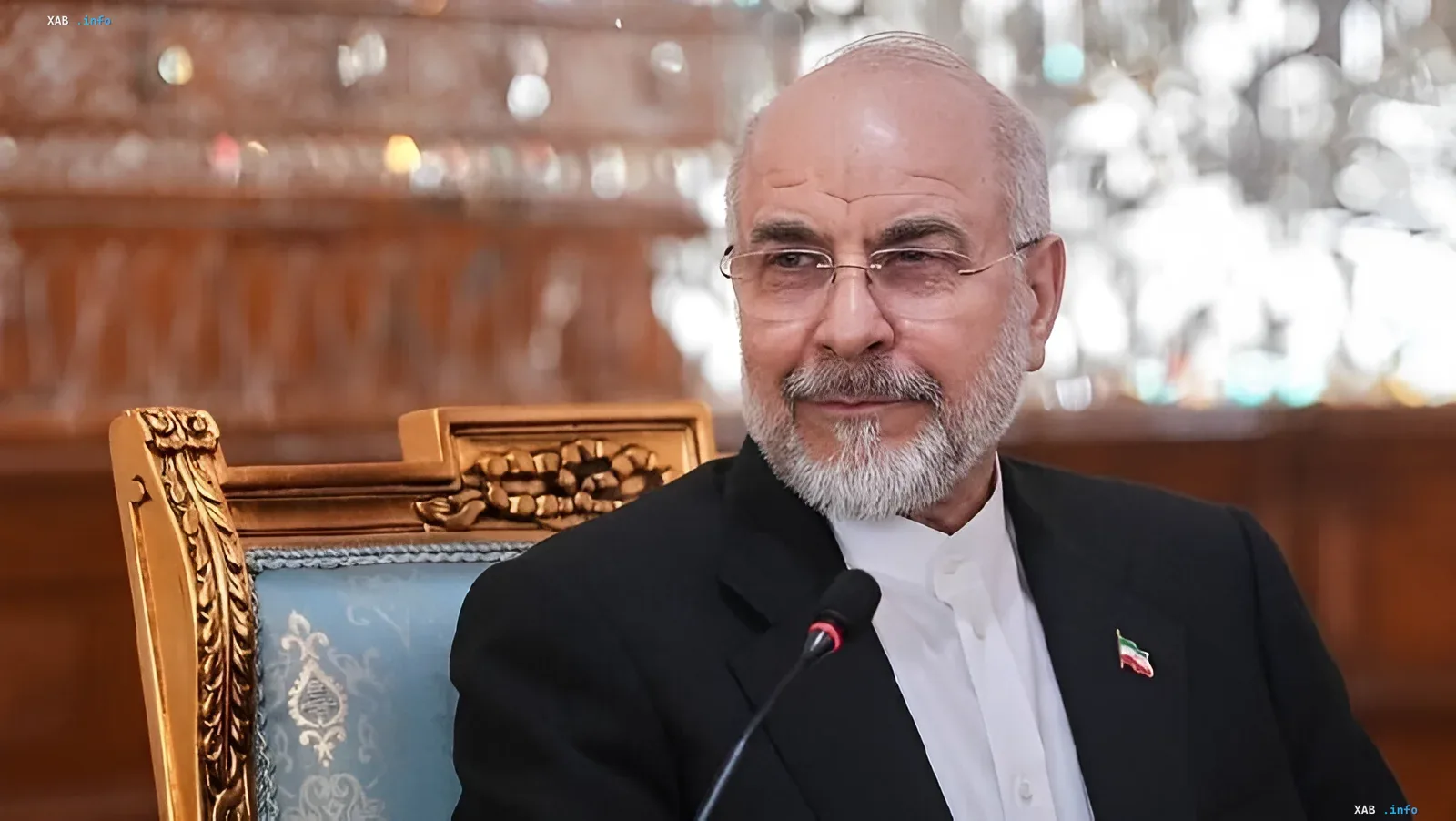
The situation remains extremely unstable: the cancellation of the deal not only returns the region to the risks of a large-scale conflict but also creates new volatility in global markets, where the price of energy carriers now depends directly on military news.


