
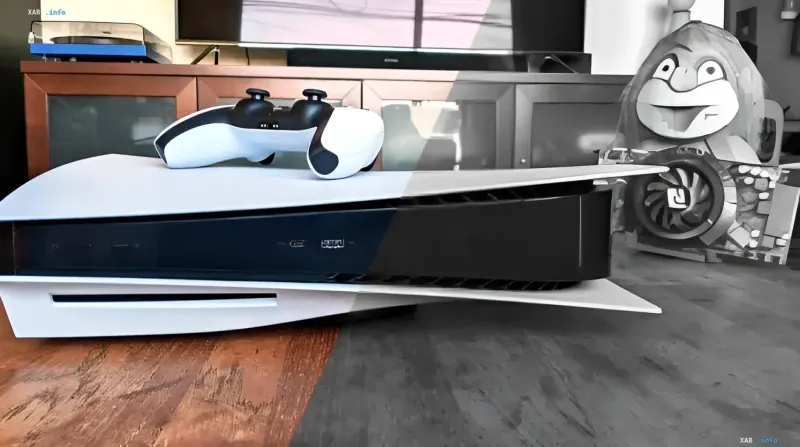
The gaming industry stands on the brink of fundamental changes that could permanently overturn the traditional model of entertainment consumption. Analysts and industry experts are noting a worrying signal: the console market, a stronghold for gamers for decades, is showing signs of stagnation. The reason for a serious strategic review comes from official statements by industry giants — Sony and Microsoft — regarding changes in distribution policy and the abandonment of traditional formats.
The End of the Physical Media Era
In early July 2026, Sony Interactive Entertainment announced a plan that many perceived as a point of no return. The company approved a roadmap providing for the complete cessation of game releases on physical media (Blu-ray discs) by January 2028. Furthermore, by 2027, the support servers for digital stores on legacy platforms PlayStation 3 and PlayStation Vita are scheduled to be shut down.
These steps shift the console market to an exclusively monopolistic model of digital distribution. Unlike the open market of personal computers, where a user can choose a purchase platform (Steam, Epic Games Store, GOG) and even resell a game, console owners completely lose the ability to choose a counterpart. Buying a game becomes an indefinite subscription for access to content within a closed ecosystem, where a secondary market is impossible.
The Economic Trap: Why PCs Win
Historically, consoles were positioned as an affordable alternative to expensive computers with guaranteed performance. However, by mid-2026, this model underwent critical changes. A comparative analysis shows that the advantages of closed platforms are rapidly being neutralized:
- Multiplayer: On consoles, access to online games requires a paid subscription (PS Plus, Xbox Game Pass), whereas on PC it remains free.
- Exclusives: The concept of a "console exclusive" is blurring. Microsoft is integrating Xbox into Windows 11 and Steam, while Sony acknowledges the need to release games on third-party platforms.
- Pricing: Consoles suffer from rigid tariff unification, while the PC market offers flexible discounts and store competition.
- Compatibility: PCs possess absolute backward compatibility, whereas consoles require the purchase of remasters or emulation for older games.
Economists note that the total cost of ownership of a console over a 5–6 year period becomes comparable to investing in a mid-range PC. Meanwhile, a 25–30% increase in the cost of subscription services and the fixation of AAA release prices at the $70–80 level make closed platforms less profitable.
Regulatory Pressure and the Future of the Industry
The situation is exacerbated by an external factor — pressure from antitrust authorities. According to European Union legislation and precedents within the framework of the Digital Markets Act (DMA), closed software ecosystems are under close scrutiny. Regulators may force console manufacturers to allow third-party stores on their devices, which would effectively destroy the current monopoly business model.
Analysts predict that, given the rising cost of components and the loss of unique advantages, consoles risk turning into "PCs with restrictions." The shift in demand towards universal digital platforms has already begun, and gaming giants are forced to adapt to a new reality where openness and flexibility are valued higher than isolated ecosystems.


