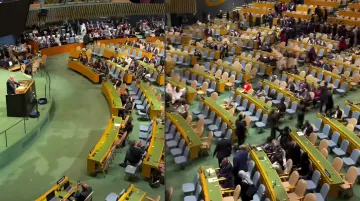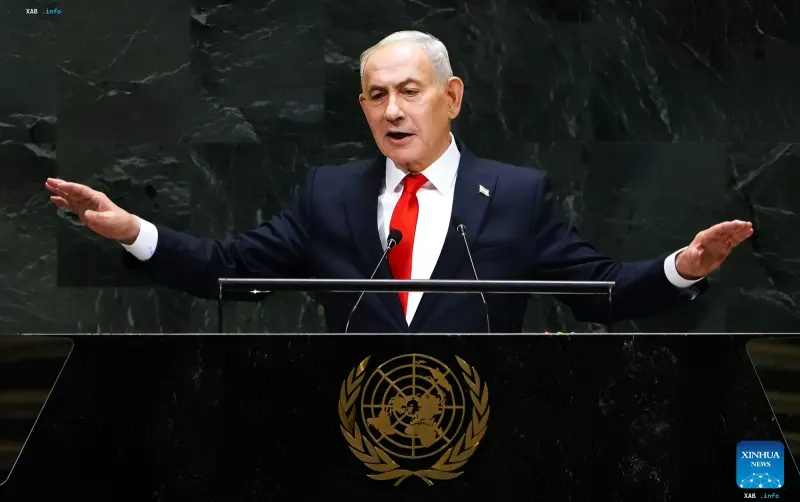
Dozens of diplomats and official state representatives staged a mass walkout from the UN General Assembly hall as Israeli Prime Minister Benjamin Netanyahu took the podium. This protest became one of the most striking episodes of the high-level general debate, reflecting a deep international division amid the ongoing armed conflict in the Middle East and the severe humanitarian crisis in the Gaza Strip.
Defense of Israeli Actions and Hardline Rhetoric
During his speech, the Israeli Prime Minister categorically rejected any allegations of genocide in the enclave, stating that the IDF's actions were instead aimed at preventing it. Netanyahu harshly criticized leaders and governments of several Western European nations, accusing them yielding to an 'antisemitic mob' and failing to support Israel in the face of international misinformation. The premier characterized the departing diplomats' behavior as cowardly.
Palestinian Position and Accusations Against Washington
This speech was preceded by an address from Palestinian President Mahmoud Abbas, who spoke to world leaders via video link. Abbas stated that the Palestinian people are facing an existential threat, suffering from widespread destruction, artificial famine, and forced displacement attempts. The Palestinian leader also strongly criticized the US decision to deny entry visas to the Palestinian delegation for the second consecutive year.
Contradictory Data
While official UN reports and Western agencies record a massive exodus of delegates, independent observers and regional experts differ on the exact list of countries that participated in the boycott. In particular, analytics sources mention representatives of Kyrgyzstan and other developing nations joining the protest, though official UN protocol lists do not capture all country-specific walkouts in full detail.
Implications for Middle East Settlement
The incident within the General Assembly vividly demonstrated a crisis of trust in modern international relations. The prospects for implementing the two-state solution look increasingly dim against the backdrop of mutual accusations, ultimatums, and a rejection of compromises among key global players.