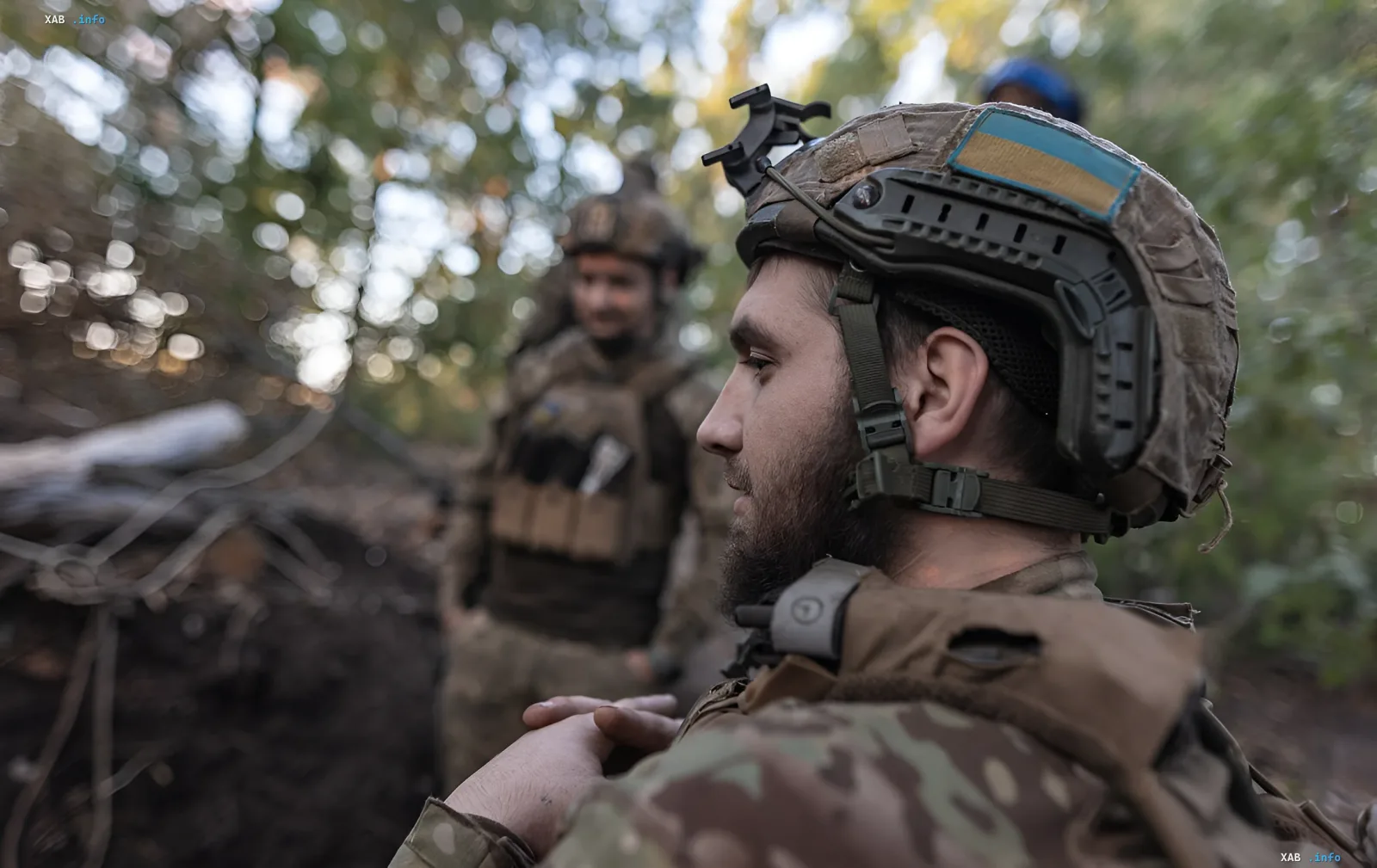
The issue of returning servicemen home remains one of the most pressing in Ukrainian society. The Chief of the General Staff of the Armed Forces of Ukraine, Andriy Hnatov, provided detailed comments regarding the prospects for demobilization, highlighting a strict dependence of this process on the current situation with mobilization.
Direct link: mobilization and discharge
According to the head of the General Staff, the discharge process is complex and directly correlates with the pace of recruiting new fighters into the ranks of the Defense Forces. Currently, the authorities are considering various scenarios to solve the problem, paying special attention to those categories of defenders who have been continuously engaged in combat operations since the beginning of the full-scale invasion or have significant years of service.
However, as Hnatov emphasized, mass demobilization is impossible at this stage. The key limiting factor is the insufficient pace of mobilization in the country. The military leadership believes that recruitment and discharge processes are inextricably linked: the higher the recruitment figures, the more opportunities will arise to release those who already have the right to do so.
Warning against false expectations
Andriy Hnatov urged people not to make premature plans, noting that it is not appropriate to speak about demobilization in too much detail right now. In his opinion, excessive detail could mislead people and create false expectations that will not be justified by current reality.
This position was previously supported by the Commander of the National Guard of Ukraine, Oleksandr Pivnenko. He stated that a quick return of servicemen home immediately after the end of active hostilities will not happen. According to his estimates, the army will need time to adapt, and the stabilization period could last about a year.
Mobilization reform and new rules
Alongside the discussion of demobilization timelines, a large-scale reform of the mobilization system is being prepared in the country. The plan includes the introduction of flexible contracts with clear terms of service, as well as an increase in basic and combat salaries for military personnel.
In addition, the Cabinet of Ministers has updated the rules for deferment from service. The changes provide for raising the requirements for the average salary level for critically important enterprises, as well as closing existing loopholes related to the registration of part-time employment.


