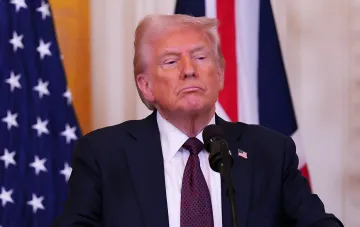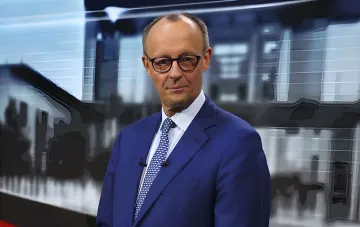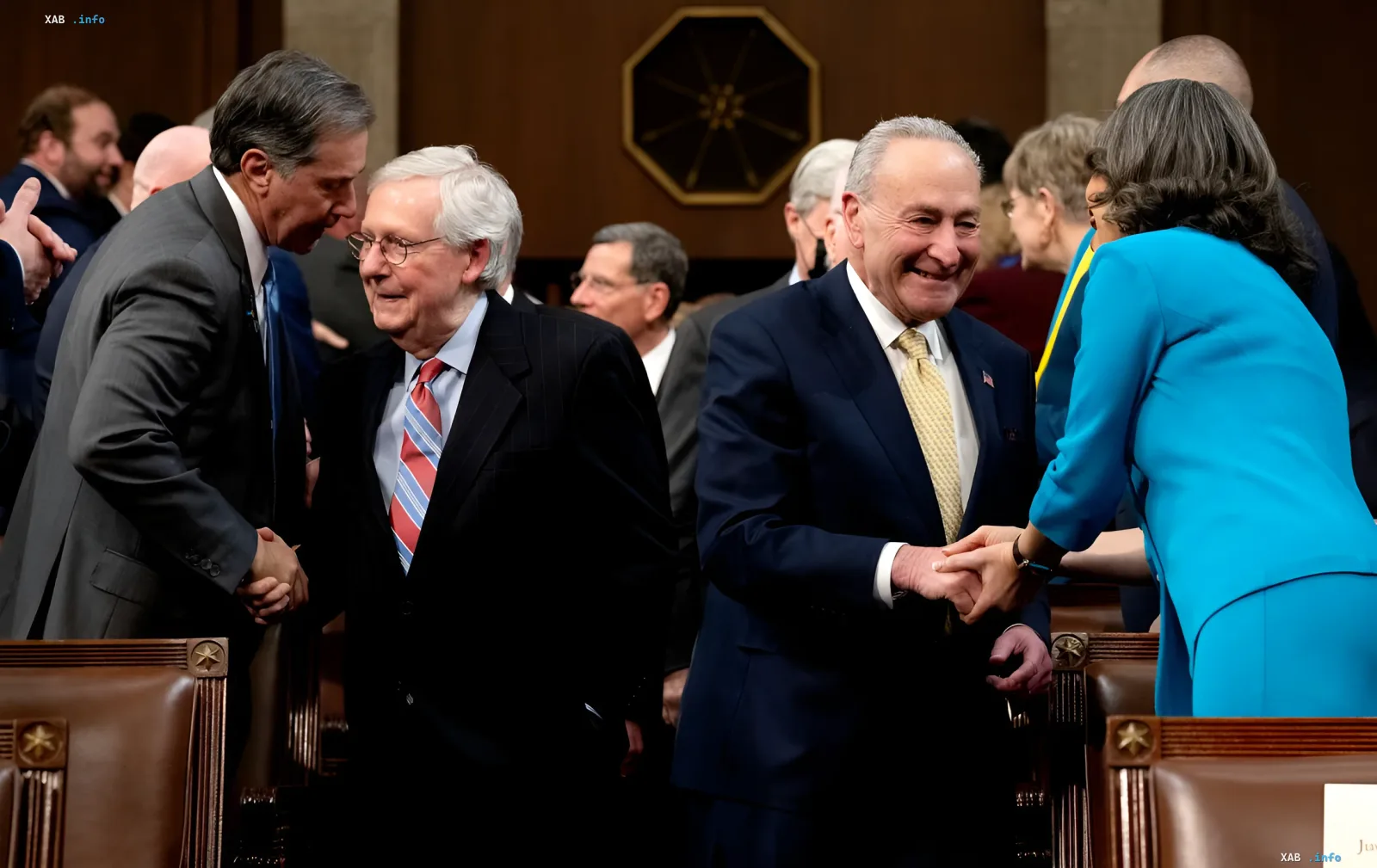
The decision by U.S. President Donald Trump's administration to allow the purchase of Russian diesel worldwide for six months has triggered a severe political crisis in Washington. U.S. Democratic senators have officially called this move a total betrayal of Ukraine, European allies, and U.S. national security interests.
Background and Essence of the Deal
This initiative resulted from agreements between Donald Trump and the Russian leadership on temporarily lifting part of the restrictions. The U.S. Treasury Department issued General License 135, authorizing transactions with Russian fuel to stabilize the global market. Under the agreement, Russia is to supply up to 1.8 million tons of diesel to global markets, which, according to the White House, should curb prices that skyrocketed amid the conflict with Iran.
Reaction of the Democratic Party
Sharp criticism was voiced by leading members of the Democratic minority in Congress: Jeanne Shaheen, Chuck Schumer, and Elizabeth Warren. In a joint statement, they emphasized that the president, through his actions, is effectively financing the Russian military machine in exchange for dubious domestic political dividends. Lawmakers pointed out that the White House blatantly ignored the bipartisan Lindsey Graham Act on severe sanctions against Russia and Iran, signed just weeks earlier.
International Reaction and Consequences
In Kyiv, the scandalous agreement was met with extreme negativity. Ukrainian President Volodymyr Zelenskyy characterized the move as a stab in the back and a "gift to Putin" that could undermine the anti-war coalition. Experts note that such a turn in U.S. sanctions policy creates a serious rift among Western partners and jeopardizes the fulfillment of previously undertaken allied obligations to deter the aggressor.
Contradictory Data
While Donald Trump's administration insists on the forced and temporary nature of the deal to save the American economy from an energy crisis caused by the Iranian direction, critics argue the opposite. Democrats and a number of independent experts state that the crisis was provoked by Washington itself, and the agreement with Moscow undermines the foundations of the sanctions regime and demonstrates the dangerous inconsistency of U.S. foreign policy.