On the night of November 4, as polling stations closed and votes were tallied, it became known that the US Democratic Party, following the November 3 midterm elections, wrested control of both houses of Congress from the Republicans. According to Reuters, this shift in the balance of power opens a path for Democrats to independently set the legislative agenda starting in January and, in particular, to attempt to approve a new aid package for Ukraine despite the White House's stance.
Midterm Results and the President's Reaction
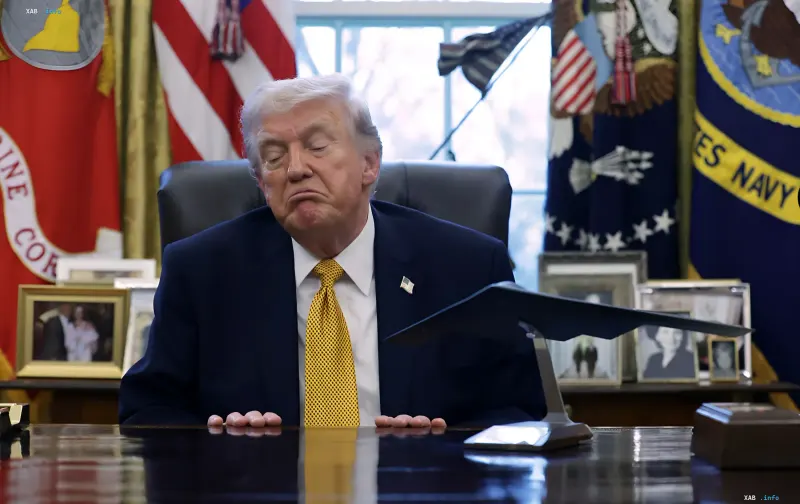
The midterm congressional elections took place on November 3; the results, according to Kyiv time, became known on the night of November 4. Shortly after the outcome was announced, US President Donald Trump acknowledged the voting results and promised to work with Democrats. At the same time, he stated that if his name had been on the ballot, Republicans would have won by a landslide. The final margin of the Democratic majority at the time of publication had not yet been determined, but as Reuters notes, support for Ukraine within the party and among some Republicans has historically been so strong that Congress may be able to muster a sufficient majority to override a veto.
January Agenda: Control Over Voting
With control of both houses shifting in January, Democrats will be able to decide themselves which issues to bring to a vote and when. As Reuters explains, this, in turn, could allow them to approve new aid to Ukraine and most likely secure the necessary two-thirds majority to override Trump's veto. Democratic aides, the agency writes, stated that supporting Kyiv is a priority task for the party. Earlier this year, the US president largely suspended financial and military assistance to Ukraine, despite broad bipartisan support for such aid from lawmakers.
The Diesel Bill and the Foreign Affairs Committee
Democrats may also target other decisions made by Trump. In particular, discontent in Congress, including among many Republicans, was caused by the lifting of sanctions against Russian diesel fuel and Russian energy just weeks after the relevant laws were signed. Democratic Representative Gregory Meeks of New York, who is likely to chair the House Foreign Affairs Committee, introduced a bipartisan bill aimed at blocking Trump's plan to return Russian diesel fuel to the global market.
Gasoline Prices and the War with Iran
A separate episode was the president's position regarding the rise in gasoline prices. Trump acknowledged that the price increase was caused by the war with Iran, although he had previously claimed that prices were affected by Ukrainian strikes on Russian oil refineries. This statement adds context to how the administration explains the economic consequences of current conflicts.
Thus, the change in control over Congress shifts key decisions on foreign policy and aid to Ukraine into a realm where the initiative passes to lawmakers. The realization of the veto-override scenario will depend on the final size of the Democratic majority and the willingness of some Republicans to support relevant initiatives.