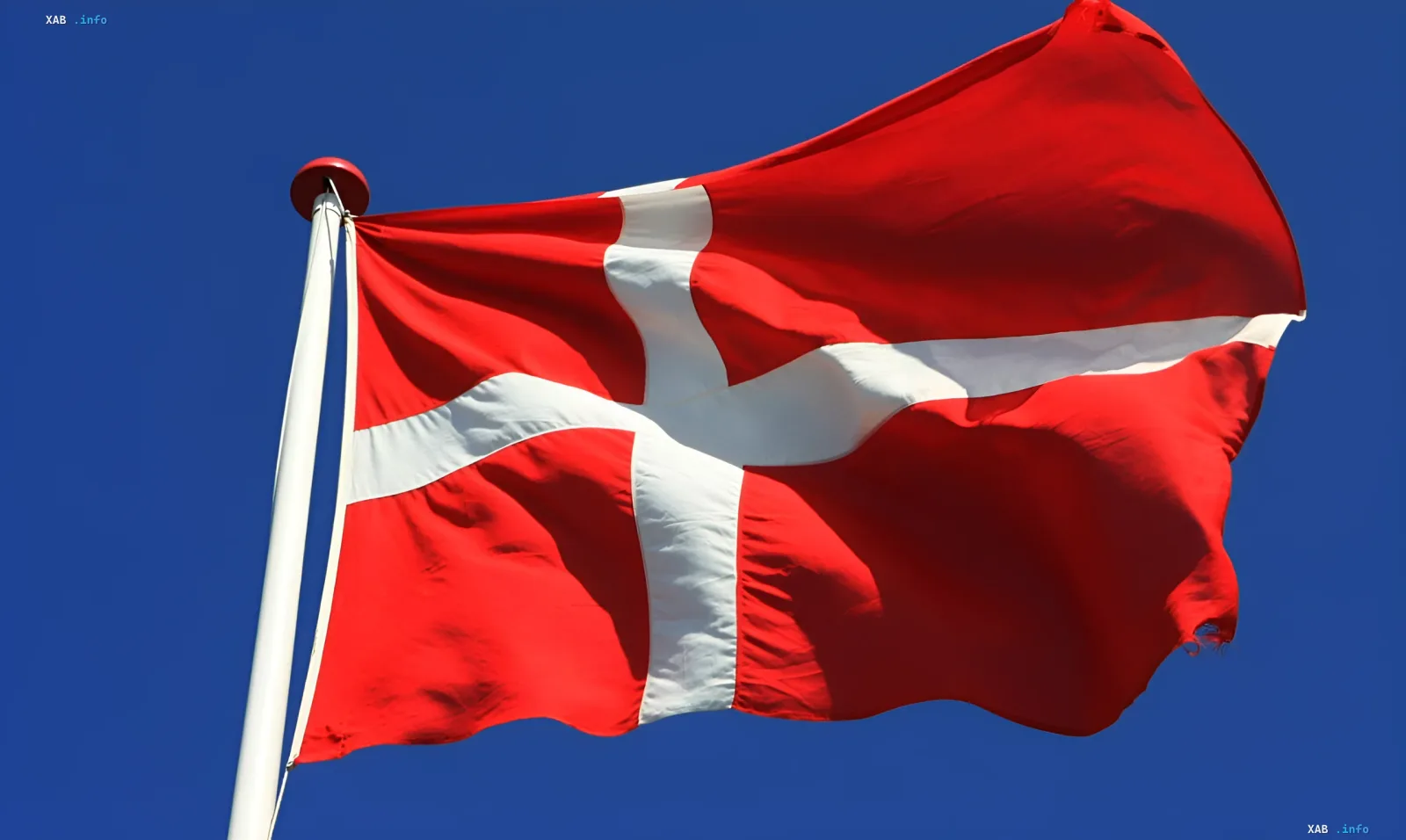
Copenhagen changes the rules of the game
Denmark has become the first European Union country to legally codify restrictions on granting asylum to Ukrainian men of conscription age. On June 25, 2026, the Kingdom's Immigration Service officially submitted the corresponding bill to parliament. This decision, made by the Ministry of Immigration and Integration, marks a significant shift in EU migration policy and sets a precedent for other member states.
Minister for Immigration and Integration Morten Bødskov emphasized that Denmark "remains a reliable ally of Ukraine," but has no intention of creating legal loopholes that could weaken the defense capabilities of the neighboring state.
Who will be affected by the new restrictions?
The essence of the new provisions lies in introducing strict criteria for obtaining residence permits under the Special Law on Ukraine. Restrictions apply to men aged 23 to 60. The lower age limit of 23 was chosen with a margin to account for a possible further lowering of the conscription age in Ukraine.
The main condition for this category of applicants now boils down to the need to provide an official document certifying exemption from military service. Without such confirmation, obtaining protection status will be impossible.
Special rules also apply to young men under the age of 23. They will receive temporary protection only until they reach this age. To extend their documents, they will also have to prove their inability to serve in the Armed Forces of Ukraine.
Who will avoid the new rules?
The bill has no retroactive effect. The restrictions will not affect approximately 47,600 Ukrainians who applied for protection status before June 25, 2026, and are already legally in the country. They will be able to extend their documents on general grounds until March 2027.
However, the situation with applications submitted during the transition period remains uncertain. For applications submitted from June 25 but approved before the law officially enters into force, the immigration service will conduct a re-examination and reserves the right to annul already issued permits.
Why was Denmark able to be the first?
Within the European Union, there is currently an active discussion about amending the Temporary Protection Directive. A number of countries, including Germany, Poland, and Sweden, support the idea of introducing restrictions for men of conscription age so as not to undermine Ukraine's defense capabilities. However, these countries face harsh criticism from human rights defenders, including the Council of Europe, and cannot act alone.
Denmark does not need to wait for a general Brussels consensus thanks to its special status (opt-out) in the area of EU justice and home affairs, which was secured for the Kingdom back in the 1990s. This allows Copenhagen to change the rules for granting asylum and protection independently of pan-European norms, which enabled this initiative to be implemented faster than by other states.


