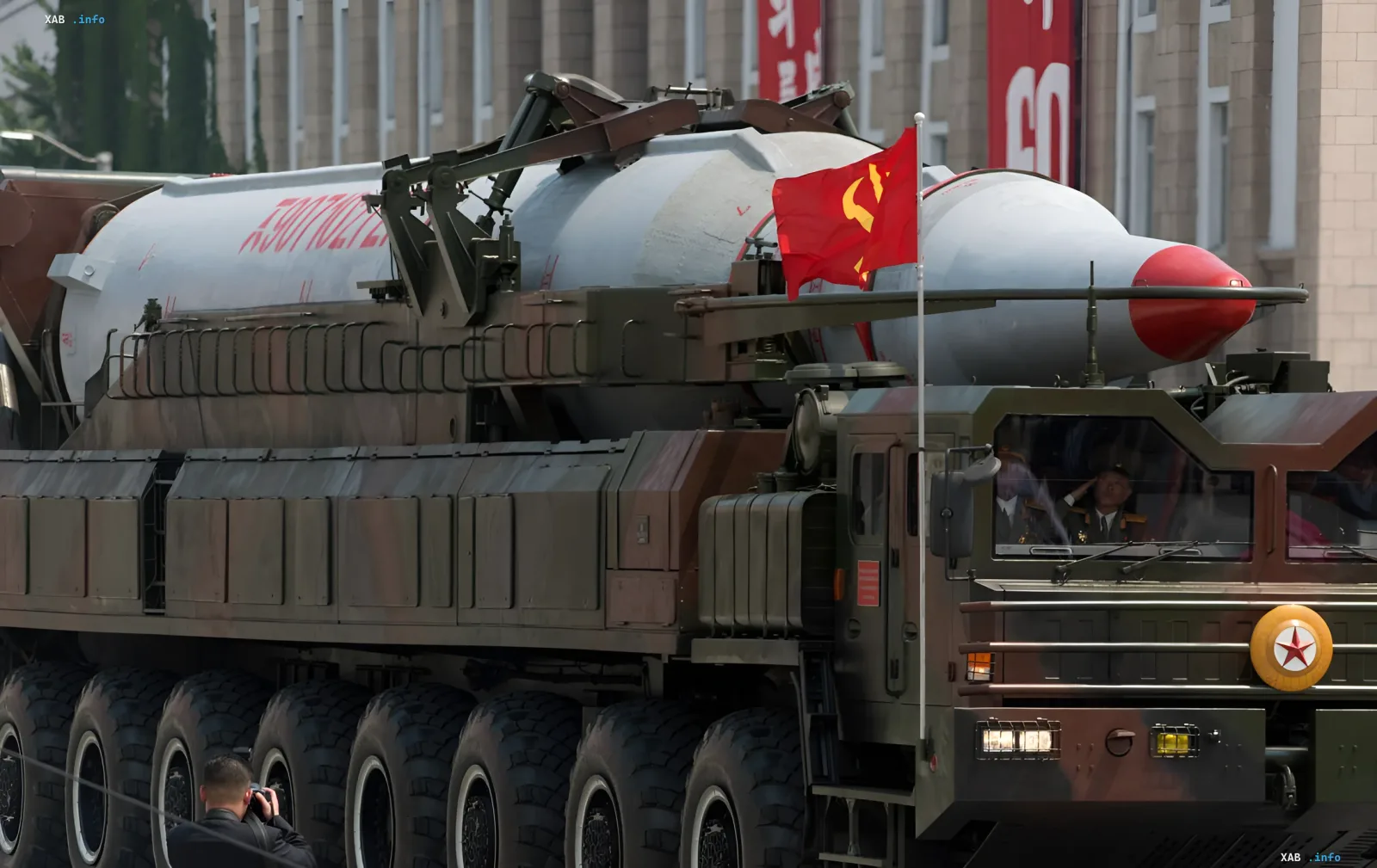
The Ministry of Foreign Affairs of North Korea has issued an unprecedentedly harsh statement, putting an end to years of diplomatic discussions. Pyongyang has officially declared that the issue of denuclearization is finally closed. This means that North Korea will permanently retain its status as a nuclear-armed state and has no intention of making concessions on this matter.
Official Position of Pyongyang
The ministry's statement contains sharp criticism of the policies of Washington and Seoul. The North Korean MFA called the rhetoric of the US and its allies "meaningless" and condemned recent cooperation between the American and South Korean administrations regarding nuclear deterrence.
"The meaningless rhetoric of the US and its vassal forces against North Korea, and their cooperation in creating a nuclear threat, will never be able to affect the irreversible position of North Korea as a nuclear-armed state," the ministry emphasized. In fact, Pyongyang has rejected any negotiation scenarios involving the abandonment of its nuclear arsenal.
Reaction to US and South Korea Negotiations
The provocation for this statement was a series of meetings held last week. Representatives of the US and South Korea discussed strategies to strengthen nuclear deterrence and measures to counter the growing arms program of their North Korean neighbor. It was precisely these consultations that triggered the official response from Pyongyang, which viewed them as creating a direct threat to its security.
Constitutional Ultimatum and New Doctrine
The MFA statement is not an isolated event but fits into the hard line pursued by the country's leadership over the past week. The leader's sister, Kim Yo Jong, had previously warned that North Korea would never give up its status as a nuclear power and would not tolerate any external threats.
Alongside diplomatic statements, Kim Jong Un has issued instructions to integrate the navy into the general doctrine of nuclear deterrence. The country's leader emphasized that the fleet must become a key element of defense.
The situation is exacerbated by media reports of amendments to the North Korean constitution. According to the new provisions, in the event of Kim Jong Un's death as a result of an attack by another state, a protocol for a retaliatory nuclear strike will be automatically launched. This enshrines the principle of guaranteed retaliation at the legislative level.


