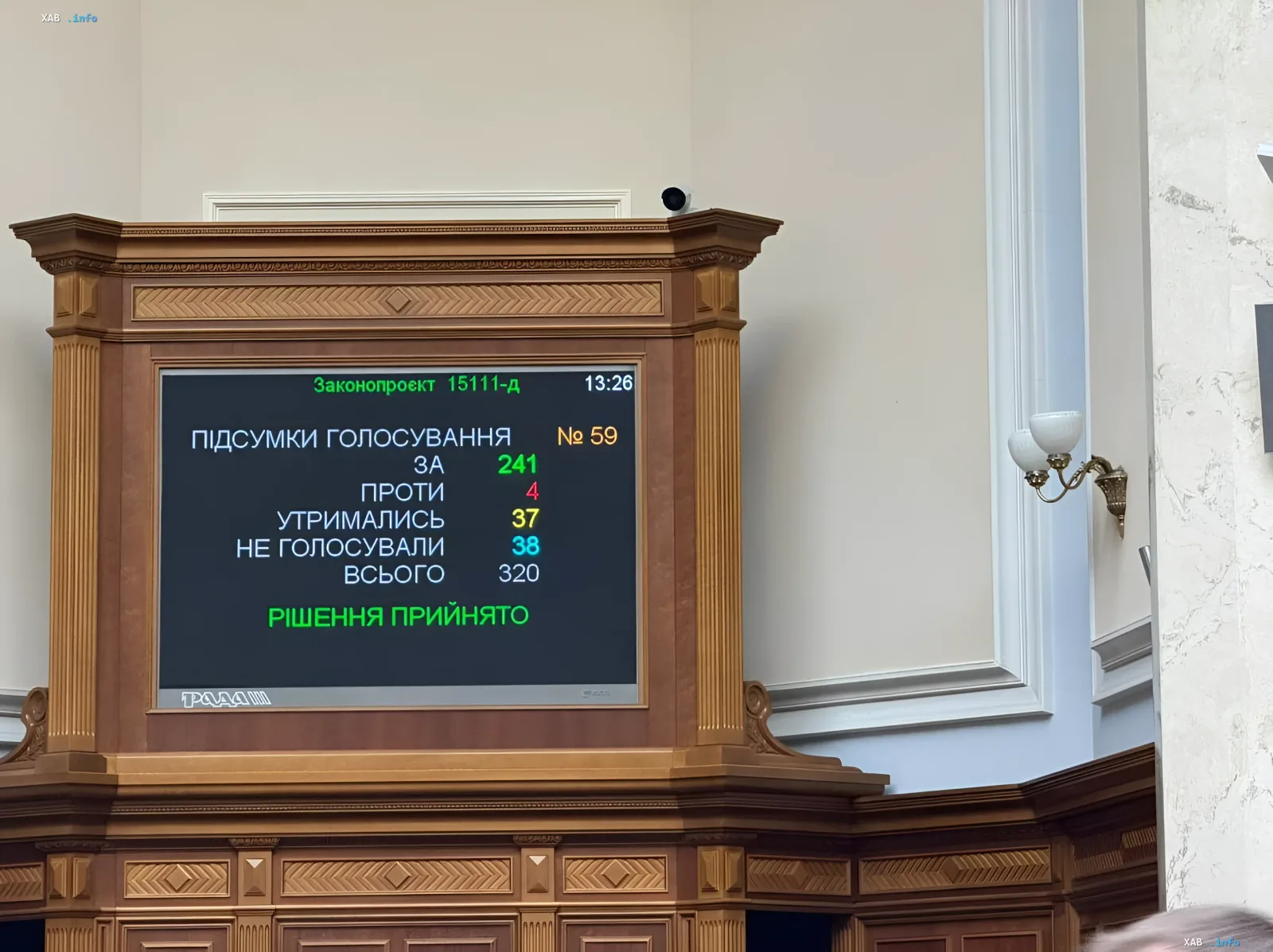
The Ukrainian parliament has taken a step towards full transparency of the digital economy. The Verkhovna Rada adopted draft law No. 15111-d, which obliges platforms like Uber, Airbnb, and OLX to transfer data on user income to the tax authorities. This decision became a key condition for cooperation with the IMF, but its implementation will affect millions of citizens, from couriers to sellers of second-hand items.
Digital Control and European Standards
The essence of the innovation lies in the implementation of the European directive DAC7 and OECD rules. Now, operators of digital services become tax agents. They are tasked not only with identifying users but also with collecting data, withholding tax, and reporting to the State Tax Service (STS). 241 people's deputies voted for the document, making its entry into force a matter of time and technical readiness.
Preferential Rate and Exemption from Military Levy
For those who earn through apps, legislators have provided a special regime. Instead of the standard PIT rate of 18%, a preferential rate of 5% is introduced. An important nuance is the complete exemption of such income from the military levy. This is a significant relief aimed at legalizing the gray zone of digital earnings.
However, the system does not require citizens to declare independently. If limits are exceeded, the STS itself will calculate the amount and send a notification-decision. This frees ordinary users from bureaucratic red tape, but makes the control process automatic and inevitable.
Safe Limit for Selling Items
The law takes into account the domestic needs of citizens. For individuals selling used items through marketplaces, a tax-exempt limit of 2,000 euros per year is established. This allows selling personal items without the risk of falling into the tax base. At the same time, platforms are obliged to record the entire turnover of funds, which creates a transparent picture of the user's activity.
Compromise with Business: What Was Removed from the Law
The final version of the document became the result of a tough dialogue with representatives of the business community. Under pressure from business, the most controversial points were excluded from the text:
- The requirement to open special accounts for sellers has been cancelled.
- The norm on disclosing bank secrecy for users' general accounts has been excluded.
- Reporting for foreign platforms has been simplified, allowing them to pay taxes in foreign currency.
Launch Deadlines and Self-Employed Status
The full launch of the data collection system is scheduled for January 1, 2027. However, experts predict a shift in deadlines to 2028, as the entry into force depends on the signing of the Multilateral Convention on Automatic Exchange of Information (DPI). Until then, the norms will be prepared technically and legally.
For entrepreneurs (Sole Proprietors), the law allows combining activities. If income on the platform is received under codes of economic activity (KVED) that do not match the registered ones, tax is paid at a rate of 5% as an individual. At the same time, the risks of reclassifying relationships as employment were removed from the text, which alleviates concerns about the status of the self-employed.
At the moment, there have been no official comments from the IMF regarding the compliance of the compromise text with their initial requirements. Nevertheless, the vector towards transparency of digital transactions has been set, and the Ukrainian economy is preparing for a new era of automated taxation.


