
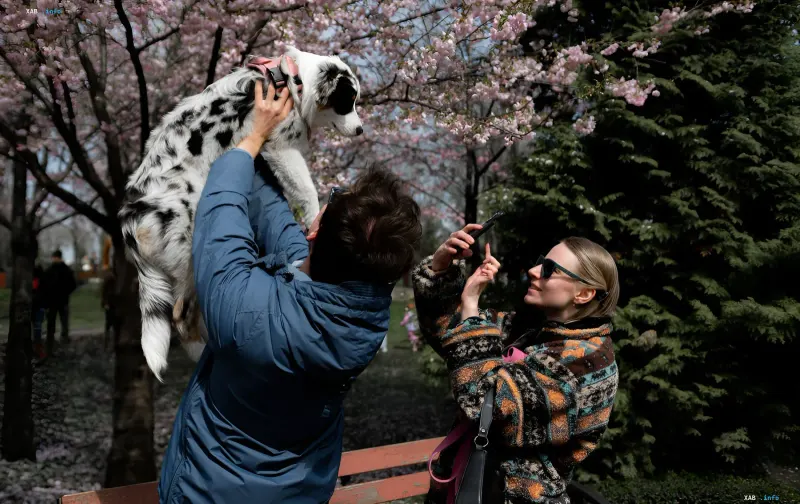
Ukraine is launching a large-scale experiment that will radically change the approach to registering domestic animals. The Cabinet of Ministers has launched a pilot project to create a unified registry, which will in the future become the basis for digital veterinary passports in the «Diy» application.
The initiative aims to create a modern digital space where the entire life history of a pet will be accumulated. The system will store data on vaccinations, inoculations, and other mandatory veterinary documents.
How the new system works
It is important to understand the key difference between the new approach and familiar online services: the registration procedure cannot be carried out remotely. For data to be entered into the registry, the personal presence of both the owner and the animal itself is mandatory.
Currently, the project is in the active testing stage. According to the latest data, more than 6,000 animals have already been entered into the database. In the near future, private veterinary clinics will begin to connect to the state registry. This will happen immediately after medical institutions complete the technical integration of their internal information systems with the state database.
Integration with «Diy» and the future of the project
The most anticipated stage for citizens will be the full launch of the digital veterinary passport. After the completion of pilot testing, the Ministry of Economy, together with the Ministry of Digital Transformation, will begin integrating the Registry into the «Diy» mobile application.
As a result, owners will be able to access their cats' and dogs' documents with a few clicks, just as is done now with personal documents or driver's licenses.
Solving the problem of stray animals
The project also has an important social component. A centralized registry will allow municipal services to keep an accurate account of animals without owners. This will make it possible to more effectively plan programs for humane treatment and control of the number of stray animals.
The registration of such animals will be carried out by specially authorized local self-government bodies, which will help bring order to statistics and the distribution of resources for shelters.


