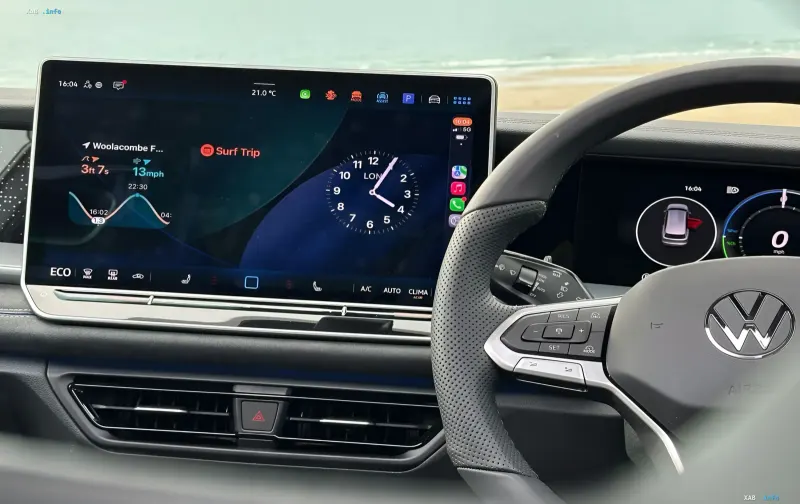
In an era where the car has become a real computer on wheels, the convenience of technology is a double-edged sword. The Over-The-Air (OTA) software update function, designed to spare owners visits to the service center, can become an ideal vector for cyberattacks. Cybersecurity experts are sounding the alarm: governments need to urgently strengthen control over these technologies to protect drivers and passengers from external threats.
From Convenience to Vulnerability
OTA technology allows automakers to remotely transmit new software versions to onboard computers, fix bugs, and update data. For the industry, this has become a lifeline against costly and mass recalls. Tesla was the pioneer in this direction, implementing "over-the-air" updates as early as 2012 for the Model S. Today, this system is integrated into the vast majority of the modern automotive industry.
However, the scope of OTA application has gone far beyond passenger cars. Deep integration of wireless updates into transport infrastructure creates risks that are no longer limited to personal data leaks. We are talking about the potential hijacking of mobile transport control systems by foreign intelligence agencies or hackers.
State Fears and Real Threats
Concerns about digital espionage were officially voiced by Norway, Denmark, and the United Kingdom. The American Enterprise Institute warned that protecting the automotive sector has become critically important to limit the ability of foreign governments to gather intelligence and conduct sabotage.
Theoretical risks quickly turned into practical evidence. In Norway, the bus company Ruter tested two buses from the Chinese manufacturer Yutong. The test results were shocking: access to the battery management and power system was carried out via the mobile network using a Romanian SIM card.
This means that the manufacturer or any third-party attacker is theoretically capable of remotely stopping a bus in motion or completely disabling it. Such a scenario poses a direct threat to human life.
Global Reaction
The scandal surrounding Chinese buses in Norway became a catalyst for other countries. Following the investigation, independent transport security checks were initiated in the UK and Denmark. Experts emphasize that the problem is of a global systemic nature. It concerns not a specific manufacturer or country, but the very concept of wireless control of modern transport.