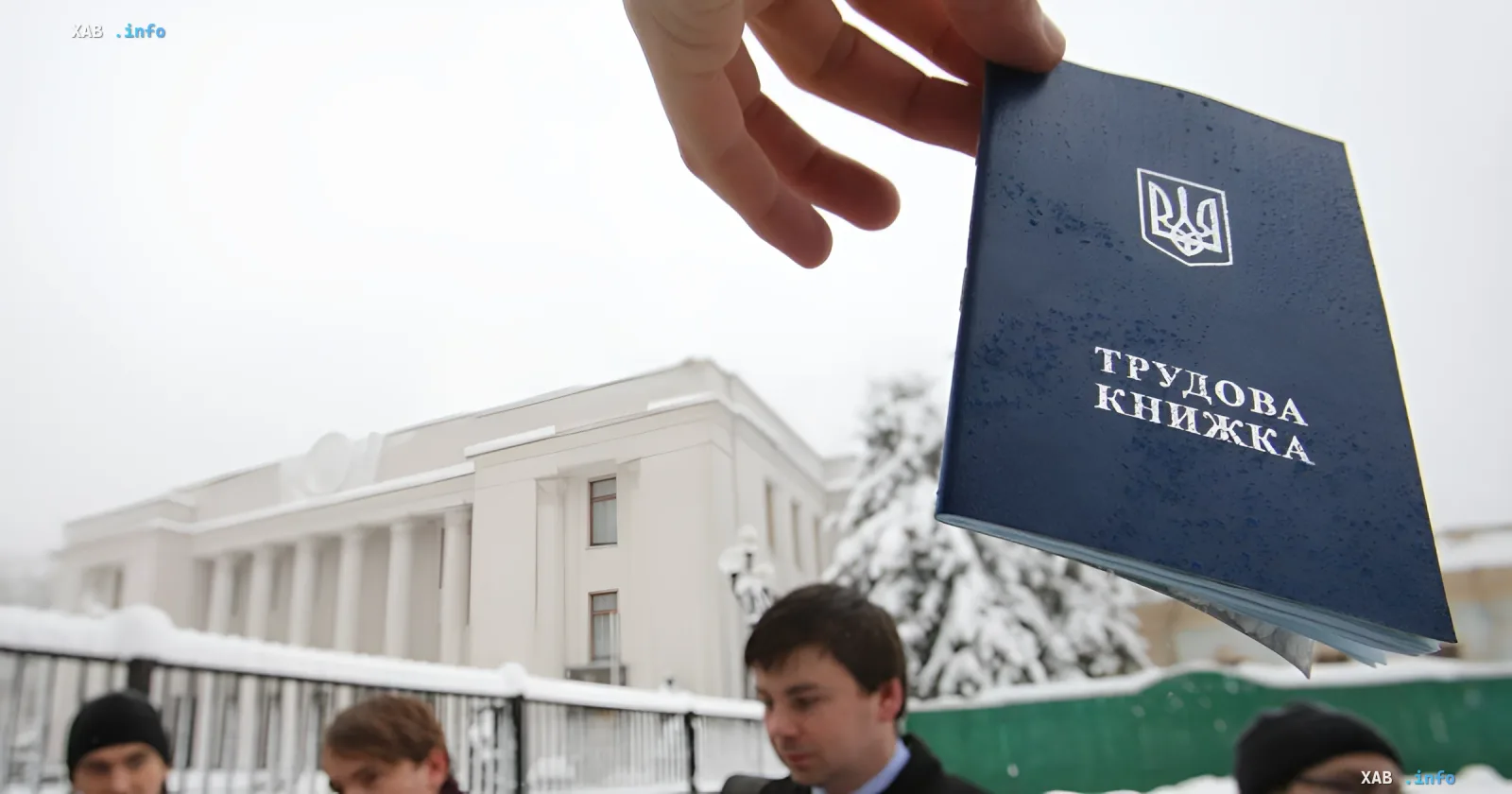
For millions of Ukrainians, a critical moment has arrived: by June 10, 2026, the process of digitizing paper work books must be completed. Ignoring this requirement could lead to serious financial losses in the future, as without electronic records, the system simply will not see your work history.
Hidden risks for seniority and pensions
Galina Kaznachei, an expert in labor law, warned on the KIEV24 TV channel: if a work book is not digitized through the Pension Fund, job titles, places of employment, and other key details will not appear in the database. This creates a direct threat to confirming insurance seniority.
The problem is particularly acute for those whose work activity began before 2004. Information for this period may be completely missing from the Pension Fund's electronic registers. Without digitizing the paper document, these years of work risk being lost forever, which will directly affect the size of the future pension.
Impact on sick leave payments
The issue is not limited to retirement age. The lack of complete data in the system also affects current social payments. Experts provide a clear example: when filing a sick leave certificate, an accountant may calculate the benefit based on 100% of earnings, but the Pension Fund system, not seeing confirmed seniority, may adjust the payment to 70%.
Such discrepancies arise precisely due to the gap between the employee's actual seniority and the data available to the state. "If it is stated that it must be digitized — digitize it. There is little time. Try to do this as soon as possible," the specialist urges.
How to avoid errors when submitting documents
Pension Fund specialists recommend not just submitting documents, but carefully checking them before submission. Errors in records or poor-quality scanning can lead to the automatic rejection of the application. In such cases, the process will have to be started from scratch, wasting precious time before the deadline.
For those currently officially employed, digitization is not a bureaucratic formality, but a guarantee of protecting their labor rights and financial stability in the future.


