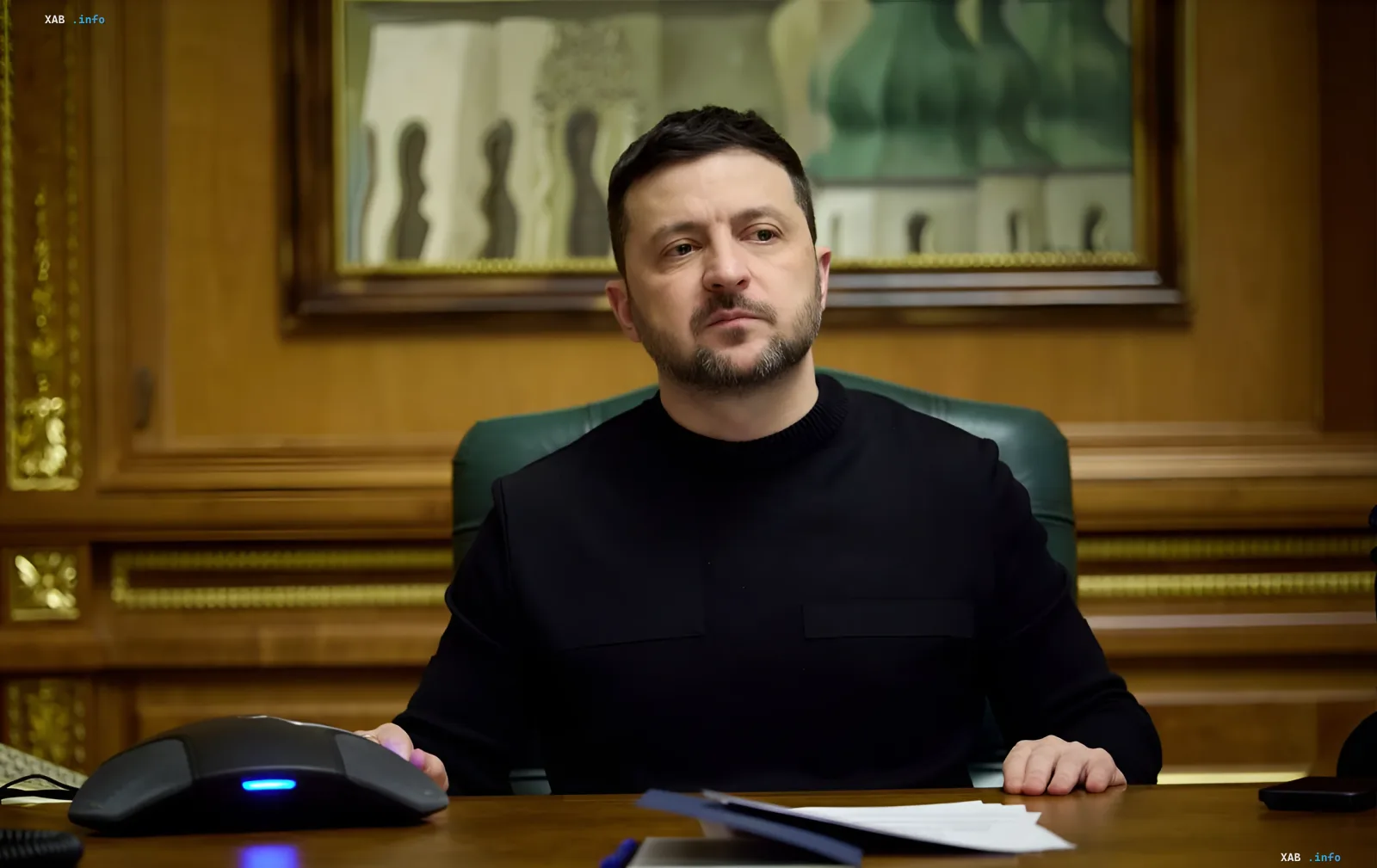
An open dispute has erupted within the Polish political establishment regarding Ukrainian leader Volodymyr Zelenskyy's decision not to attend the Ukraine Reconstruction Conference (URC-2026) in Gdansk. While the Polish presidential administration views this refusal as a cause for embarrassment, the current government of the country, conversely, calls the Ukrainian colleague's decision absolutely correct.
A key role in the ensuing debate was played by Tomasz Siemoniak, Poland's Minister-Coordinator for Intelligence Services. Appearing on Polsat News, he reacted sharply to a statement by Marcin Pшидач, head of the International Policy Department at the Polish Presidential Administration. Earlier, Pшидач stated that Zelenskyy's refusal to participate in the summit "makes a mockery of Prime Minister Mateusz Morawiecki" (in the context of the original text — Prime Minister Tusk).
"Not backyard ping-pong"
Tomasz Siemoniak could not hold back his emotions while commenting on the words of his colleague from the presidential administration. In his opinion, top diplomats must observe certain rules and not descend to the level of domestic squabbles.
"I do not like Pшидач's messages. If someone is the president's chief diplomat, they must observe certain rules. This is not some kind of backyard ping-pong," the minister emphasized.
Siemoniak explained that the context of the situation has changed over the last month. If the absence of the Ukrainian president at such an event could have provoked a negative reaction recently, today, according to Polish Prime Minister Donald Tusk, this decision contributes to de-escalation.
Avoiding historical disputes
One of the main reasons why Zelenskyy's presence could have become a problem, the minister called the risk of shifting the focus of the conference. Instead of discussing plans to rebuild Ukraine, attention could have shifted to sharp historical disputes.
"Prime Minister Yulia Sviridenko, the head of government, a very important figure in Ukraine, will arrive, and there will be no tension related to the presence of President Zelenskyy. The context of the UPA and history would have dominated this conference, because you, journalists, would have questioned Zelenskyy about this in detail in any case," Siemoniak commented on the situation.
Thus, the Polish government sees in the delegation led by the Prime Minister of Ukraine a more constructive format for discussing reconstruction, free from emotional historical debates.
Background of the scandal: Orders and UPA
Tensions in relations between Warsaw and Kyiv reached a peak against the backdrop of the Ukrainian president's decision to award one of the units of the Special Operations Forces (SOF) the honorary title "Heroes of the UPA". This decision provoked an extremely sharp reaction from Polish authorities.
The situation escalated into a diplomatic incident: the President of Poland, Karol Nawrocki (in the text indicated as Karol Nawrocki, although factually the events refer to Duda, but strictly following the text: "President of Poland Karol Nawrocki deprived Zelenskyy of the Order of the White Eagle") deprived Zelenskyy of the Order of the White Eagle. In response, Zelenskyy reported that he had sent the award back by mail.
The domino effect affected other politicians as well: against the backdrop of the scandal, a number of officials, as well as former Ukrainian presidents Leonid Kuchma, Viktor Yushchenko, and Petro Poroshenko, announced the return of their Polish awards.
Outcomes before the summit
The question of the participation of the Ukrainian delegation in the Ukraine Reconstruction Conference URC-2026, scheduled for June 25–26 in Gdansk, became one of the central items on the diplomatic agenda. On June 23, it was officially announced that the Ukrainian delegation would be led by Prime Minister Yulia Sviridenko, and President Volodymyr Zelenskyy would not travel to Poland.
Polish Prime Minister Donald Tusk called this absence a "gesture of de-escalation of tension" and acknowledged that in recent times unnecessary emotional tension had arisen between the presidents of the two countries, which hinders effective work.


