
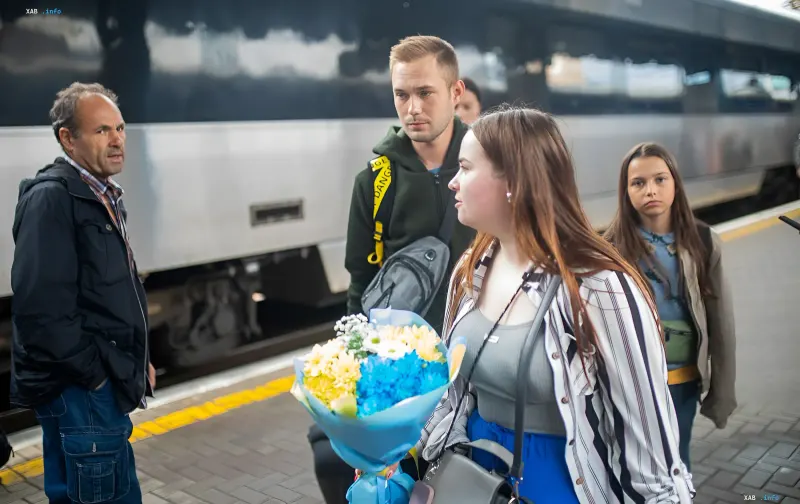
The situation regarding Ukrainian refugees forced to leave their homeland has undergone fundamental changes. While at the beginning of the crisis, most considered relocation a temporary measure, the picture has changed radically today. As of early 2026, plans regarding return have split evenly: half are preparing the ground for life in a new country, while the other half strives to return home.
Council of Europe Commissioner for Human Rights Michael O'Flaherty officially announced the shift in migration sentiments. In his interview, he analyzed the dynamics over the last few years, noting that the 2022 statistics, where desires were distributed evenly among three groups (return, stay, unsure), have given way to a clear split.
The Psychology of Choice: Why People Stay
The reasons why Ukrainians decide to stay abroad are deeply personal and complex. O'Flaherty, who has personally spoken with refugees, highlighted several key factors influencing this choice.
One of the main arguments for mothers is the future of their children. Many families make the decision to move permanently so that their children can attend schools and universities without hindrance. In conditions of instability at home, the opportunity to receive a quality education in a safe country becomes the top priority.
Furthermore, a significant portion of refugees have already managed to integrate into the societies of host countries. People are settling down, establishing social connections, and even creating new families. For them, the new country has become home, and returning to the past life loses its meaning.
The Call of the Homeland and Plans to Return
Despite the growing number of those who stay, the other half of Ukrainians remain committed to returning. The driving force here is patriotism and the desire to participate in the country's reconstruction. Many consider it their duty to return to help restore infrastructure and the economy.
A special category consists of elderly people. For them, attachment to native places where they spent years of their lives is the decisive factor. They strive to spend their final years in a familiar environment, among family and friends, despite all difficulties.
Statistics and Social Support
In addition to the change in sentiments, there is a quantitative growth in the number of Ukrainian refugees in European Union countries. Statistics as of early 2026 record an increase in the flow, which requires host countries and Ukraine itself to revise support strategies.
The Ministry of Social Policy of Ukraine continues to monitor the situation, providing up-to-date data on the number of citizens abroad and clarifying the conditions for providing social benefits. Understanding the motivation of refugees—whether the desire to stay or return—becomes critically important for forming effective state policy.


