In the context of modern warfare, where threats evolve faster than standard protection protocols, the US military has faced a critical challenge. Traditional rapid tests for biological threats operate on a binary "yes or no" principle for a specific, already known virus. If the enemy deploys a new, previously unseen agent or a genetically modified version of it, a standard test will yield a false-negative result. This creates a fatal illusion of safety.
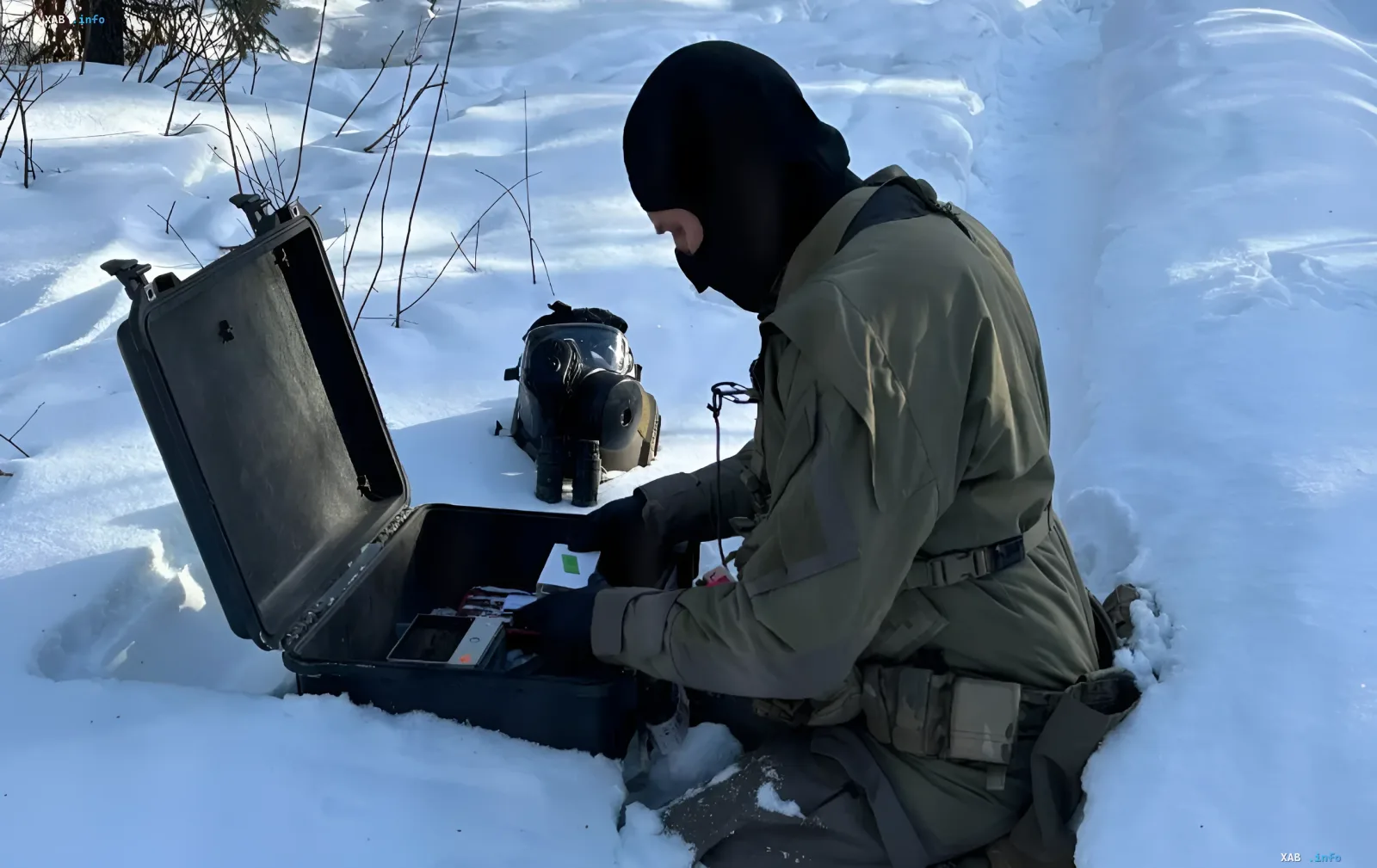
The US Naval Research Laboratory (NRL), in collaboration with partners, has solved this problem by deploying a portable biological defense system capable of detecting unknown threats directly in the field. The new device, named FFBS (Far-Forward Biological Sequencing), is a full-fledged next-generation sequencer.
From the Lab to the Trenches: A Revolution in Biosecurity
The essence of FFBS operation differs radically from conventional tests. Instead of searching for specific markers of known pathogens, the device reads the entire genetic code—DNA or RNA—of the microorganism contained in the sample. This allows for the identification of absolutely any biological agent, even if it was artificially created in a laboratory.
The development of this technology was the culmination of a ten-year research program called F-FAST. Historically, the DNA sequencing process required colossal resources: bulky equipment, stable power supply, and the work of highly qualified scientists in sterile laboratories. The engineers' main task was to compress these processes into the size of a portable case that could be operated by a regular military medic without specialized training in genetics.
Testing in Extreme Conditions
Before entering mass production, prototypes underwent rigorous testing in real combat conditions. The system was tested during military maneuvers in deserts and in the Arctic, where temperatures dropped to extreme levels. The results confirmed the reliability of the equipment: it operates flawlessly both on board ships and in field camps.
A key advantage of the system is speed. Analyzing a sample and providing an accurate result takes less than 30 minutes. This time is critical for making decisions regarding quarantine, the use of personal protective equipment, or the initiation of personnel vaccination.
Mass Deployment and Training
The project has officially left the status of a scientific development and moved to the phase of mass supply for the US Department of Defense. The technology will be integrated into land and naval operations to ensure biological security at forward positions.
Parallel to the army version, a modification of the system called NSIS was approved. It is intended for US National Guard units, which often deploy to domestic emergencies related to biological threats.
Currently, the NRL is conducting large-scale training for microbiologist officers and Navy medics. The goal of the program is to ensure the effective use of new DNA scanners by personnel who have not previously encountered such technologies in their daily practice.


