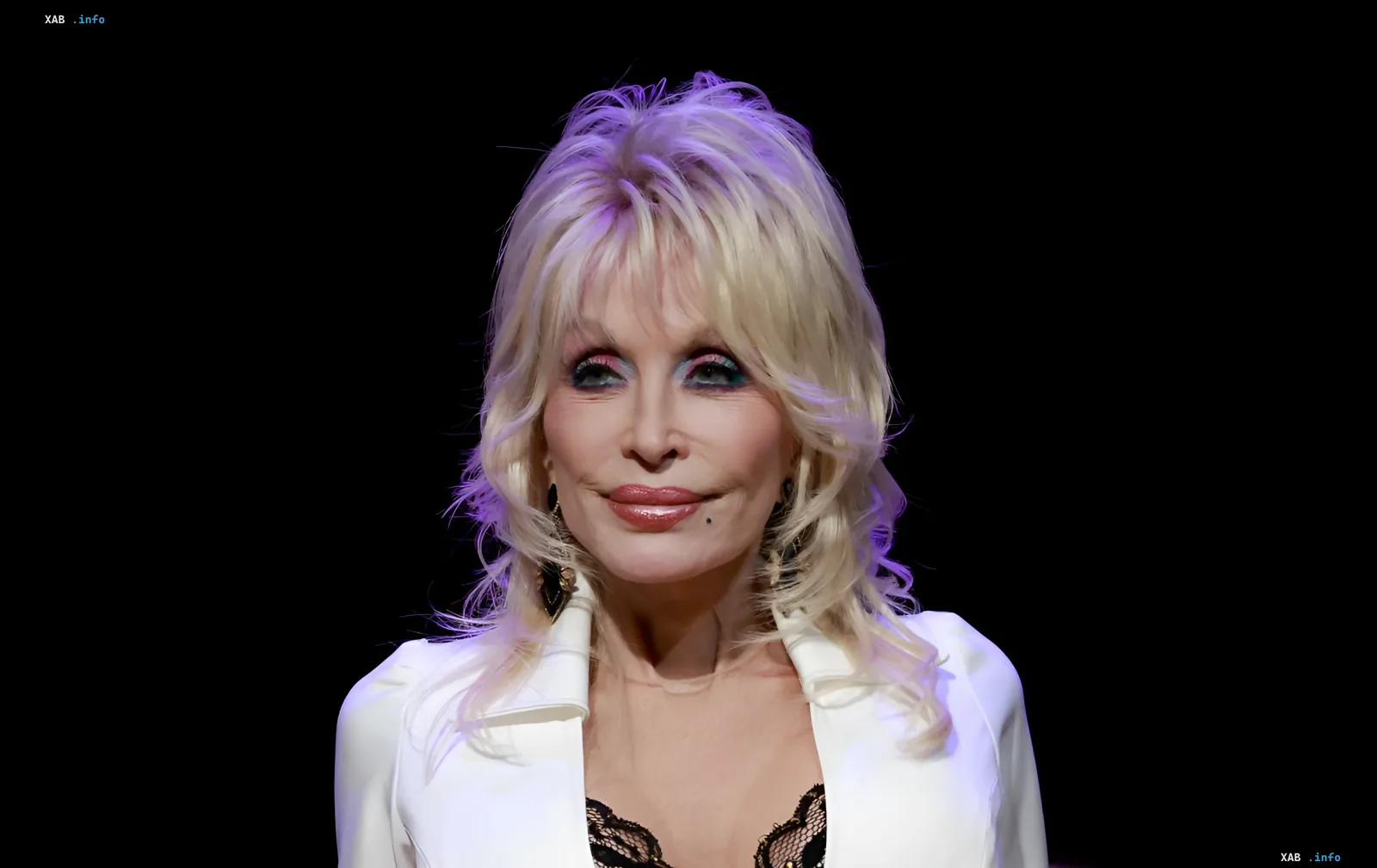
Legendary American country singer and songwriter Dolly Parton died on August 25, 2026, at the age of 80. The artist's death was announced on behalf of the family by her nephew Brian Sevier. The passing of one of the most influential figures in the history of country music became a global event: over her career, Parton sold more than 160 million albums, won 11 Grammy Awards, and created songs that continue to captivate listeners decades after their release. In August 2026 alone — just one day before her death — Parton's catalog received 82 new sales certifications in 14 countries.
Final days and words about work
In recent times, Parton had serious health problems. As late as August 21, just four days before her death, she publicly revealed that she had partially neglected her own health while caring for her husband Carl Dean, who passed away in March 2025 after nearly 60 years of marriage. Despite treatment, the singer assured at the time that she continued to work and that she still had "so many things I want to achieve." "I'm still recovering, but I keep working! You know me... I will work as long as I can to see all of this come to life," Parton said. These words became, in essence, her last public statement before her passing.
"Jolene": jealousy toward a real woman and a name from a red-haired fan
Perhaps it is impossible to talk about Dolly Parton without mentioning "Jolene." But behind the story of a beauty whom the singer begs not to take her husband away stood a perfectly real woman. Parton recounted that a bank employee began paying too much attention to her husband Carl Dean. He, in turn, was happy to visit the bank, which became a source of jokes and jealousy between the spouses. At the same time, Parton did not use the woman's real name in the song. She heard the name Jolene from a little red-haired fan who asked her for an autograph. The name pleased the singer so much that she immediately decided that one day it would become a song. Subsequently, "Jolene" was covered by dozens of artists — from Miley Cyrus to The White Stripes and Beyoncé. And the composition continued to earn new platinum and even diamond certifications more than half a century after its release.
"I Will Always Love You": not about a breakup, but about saying goodbye to a mentor
For millions of listeners, "I Will Always Love You" is inextricably linked to Whitney Houston and the film "The Bodyguard." But the song's author was precisely Dolly Parton, who released it back in 1974. And the most interesting part — at first it was not at all a song about a romantic breakup. Parton wrote it for her longtime creative partner and mentor Porter Wagoner, when she decided to leave his show and build a solo career. Their professional parting was not easy, and through the song's words Dolly was essentially telling the man: "I'm leaving, but that doesn't erase what you meant to me." The composition topped the country chart twice in Parton's own performance. And in 1992, Whitney Houston recorded her version for "The Bodyguard," after which the song became a global mega-hit. Parton later mentioned that it was precisely the enormous success of Houston's version that helped her truly realize her own value as a songwriter.
"9 to 5": the clicking of acrylic nails became part of a worldwide hit
Another of Parton's hits was born literally on a film set. In the 1980s she made her big-screen debut in the comedy "9 to 5" alongside Jane Fonda and Lily Tomlin. Parton was supposed to write a song for the film about the lives of office workers. And here her signature manicure came in handy. While working on the composition, Dolly began tapping out a rhythm with her long acrylic nails. Their click reminded her of the sound of typewriters, which the film's heroines worked on. She used this sound in creating the song, and the nails even received a separate mention in the recording. "9 to 5" became Parton's first single to top the American Billboard Hot 100 pop chart, and it also earned her two Grammy Awards.
"Coat of Many Colors": a patchwork coat as a symbol of a poor childhood
One of Parton's most personal songs takes us back to her very poor childhood in Tennessee. Dolly grew up in a family of 12 children. One day her mother received a box of multicolored fabric scraps and sewed them into a coat for her daughter. For little Dolly, it was a true treasure. Her mother told her the biblical story of Joseph and his colorful garment, so the girl was proud of her new thing. However, at school other children began to mock her homemade coat. Many years later, this memory became the basis of "Coat of Many Colors" — a song not so much about poverty as about a mother's love, which is capable of turning scraps into the most precious thing a child has.
A legacy that never ends
The death of Dolly Parton was a loss not only for the world of country music but for world culture as a whole. Her songs — from "Jolene" to "I Will Always Love You" — have become part of a universal cultural code known and sung by people who have never listened to country. And the stories behind these compositions — jealousy toward a bank employee, a painful farewell to a mentor, the clicking of acrylic nails on a film set, and a patchwork coat from a poor home in Tennessee — make her legacy even more human and relatable. As Parton herself said, she would work "as long as she could." From August 25, 2026, that work has ceased — but the songs she created continue to sound.