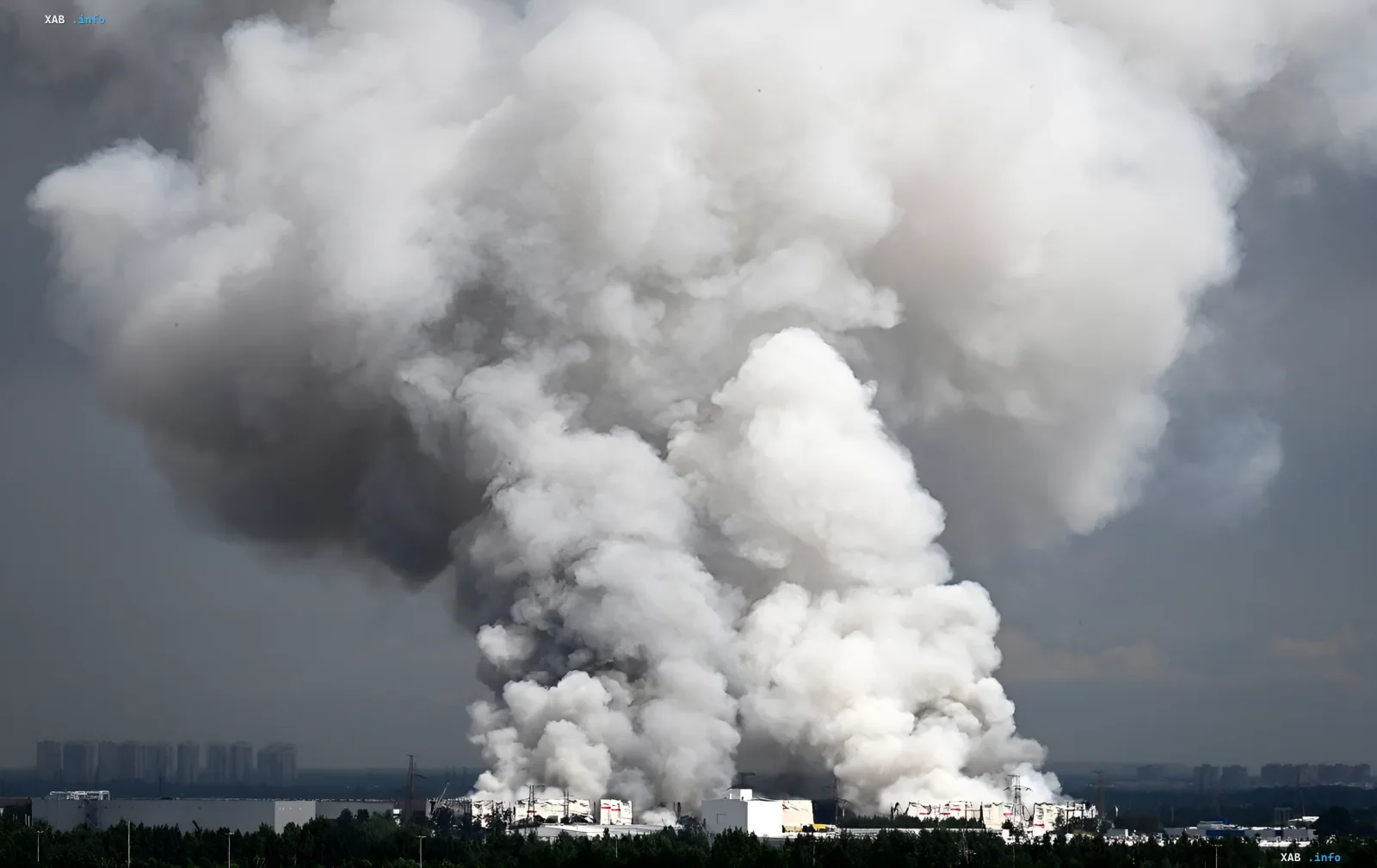
Ukrainian strikes on the logistics hubs of Russia's largest marketplace, Wildberries, have inflicted colossal damage on the company, the consequences of which could affect the entire country's economy. According to sources, restoring the business may require a sum comparable to a quarter of the Russian federal budget deficit.
Scale of Losses
In recent weeks, the company has lost about 20% of its warehouse capacity — at least eight logistics centers were destroyed in the attacks. Direct damage, according to source estimates, could exceed 100 billion rubles, and in the worst-case scenario, reach 200 billion.
Due to the outflow of sellers, the marketplace's turnover has already dropped by a quarter. The problem is exacerbated by the company's business model itself: Wildberries receives money from the buyer immediately but transfers it to the seller only after several weeks, using this time gap to finance current expenses and discounts. This scheme holds as long as turnover grows, but once it falls, accumulated obligations are no longer covered by new inflows.
Financial Forecasts
Sources predict that the company will remain unprofitable for several years. To restructure its business, it will have to increase its debt by at least 1.3 trillion rubles.
The authorities are unlikely to allow the marketplace to go bankrupt. Tax holidays and preferential loans for affected sellers are already being considered, as well as permission to use Russian Post warehouses, and possibly preferential lending for the company itself.
Budgetary Context
The problem is that the state's resources are also limited. In the first half of the year, the Russian budget deficit reached 5.7 trillion rubles — one and a half times the annual plan. By the end of the year, it is forecast to grow to 7–8 trillion. That is, the amount needed to save Wildberries alone is equal to approximately a quarter of the country's entire annual deficit.
Contradictory Data
There are discrepancies in estimates of the scale of damage. According to Forbes, the Ukrainian Armed Forces have already destroyed at least 17% of Wildberries' warehouse space. Meanwhile, sources from The Bell and RBK-Ukraine point to a loss of about 20% of warehouse capacity. The difference may be related to the calculation methodology or the timing of data publication.
Company Response
Against the backdrop of these strikes, it became known that Wildberries is actively seeking logistics capacity in Kazakhstan and has introduced strict restrictions to protect against further attacks. Since August 3, the company has banned employees from bringing smartphones to work.
International Context
Kazakh authorities are considering the possibility of expanding logistics infrastructure for foreign companies, including Wildberries. This could become an important factor in restructuring the supply chains of the Russian marketplace.