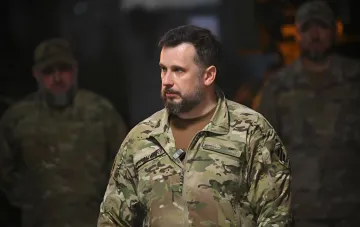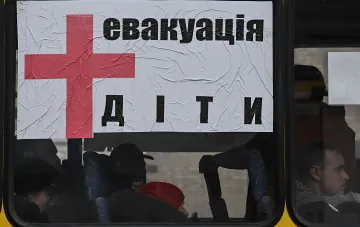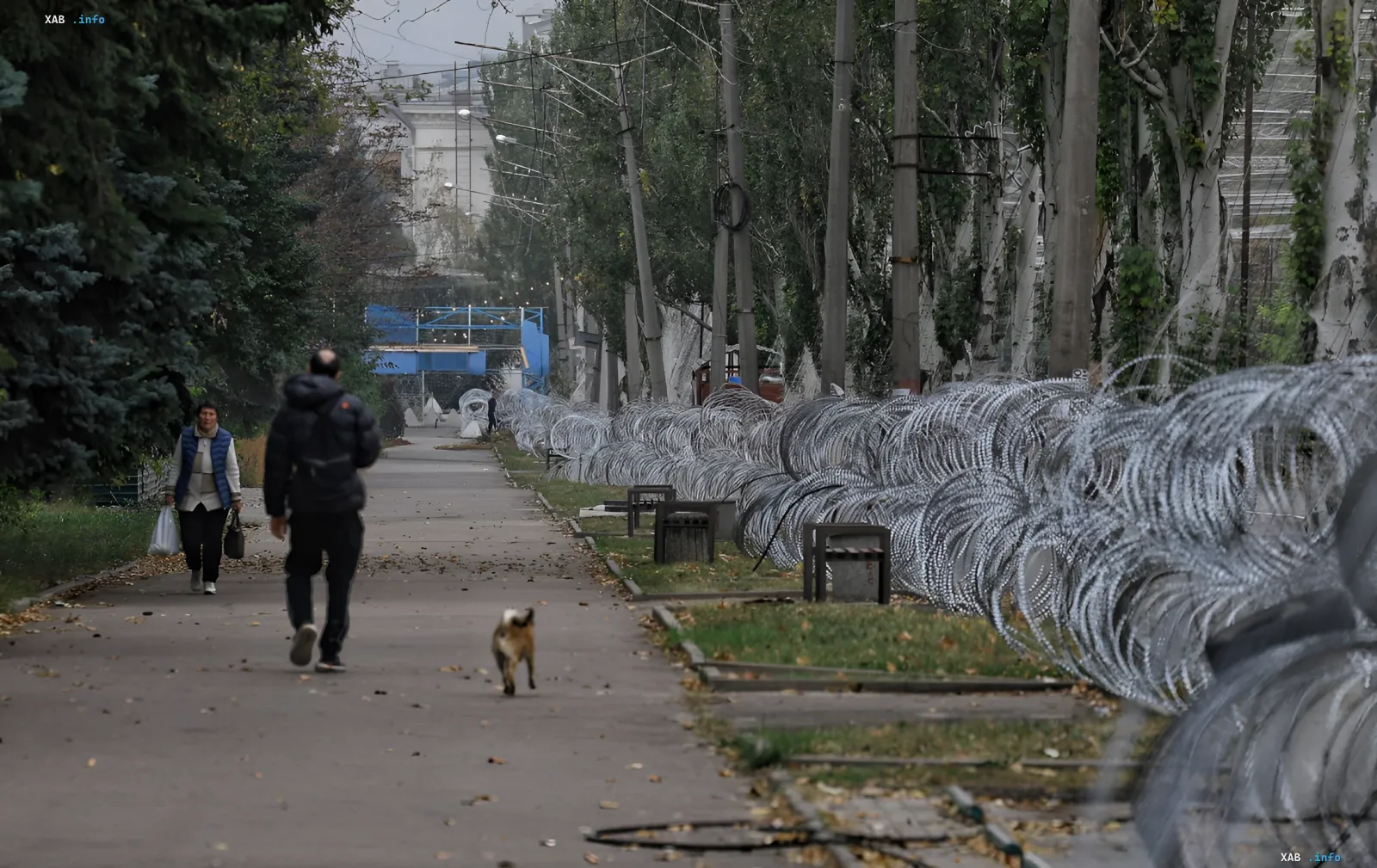
From November 1, 2026, fundamental changes to the curfew regime will take effect in the Donetsk region. According to the decision of the Regional Defense Council, announced by the head of the Donetsk Regional Military Administration, Vadym Filashkin, movement restrictions for citizens will be significantly expanded. The new schedule sets a 19-hour daily curfew — from 4:00 PM to 11:00 AM the following day.
Exceptions to the Rules
Despite the scale of the changes, they will not affect all settlements in the region. Residents and visitors of the Oleksandrivka and Cherkaske territorial communities will continue to live under the previous regime, as these territories were exempted from the new restrictive measures. This decision is based on the specific operational situation in these areas, which are currently less exposed to direct threats.
Context and Implementation
The head of the Kramatorsk City Military Administration, Oleksandr Honcharenko, also confirmed the information for residents of his city, noting that Kramatorsk is subject to the new 'long' curfew. Such measures are primarily aimed at ensuring the safety of citizens amid the difficult situation in the region and strengthening security controls in the frontline zone.
Contradictory Data
It is important to note that while the Donetsk region is tightening restrictions, other regions of Ukraine show the opposite dynamic. For example, since October 1, the curfew in the Khmelnytskyi region has been reduced, and in the Mykolaiv region, it was also shortened by one hour. Conversely, the Sumy region has been moving toward tightening since September 16, extending restrictions until 5:00 AM. The difference in regional authorities' approaches is determined solely by the level of the actual military threat to each specific region.
Analysis of Consequences
The introduction of such a strict regime will significantly change the daily life in the Donetsk region. Key social and economic processes will have to adapt to the 5-hour 'safe' interval. Local authorities emphasize that these measures are necessary and aimed at minimizing risks for civilians, as well as effectively countering sabotage and reconnaissance groups in the deep rear.