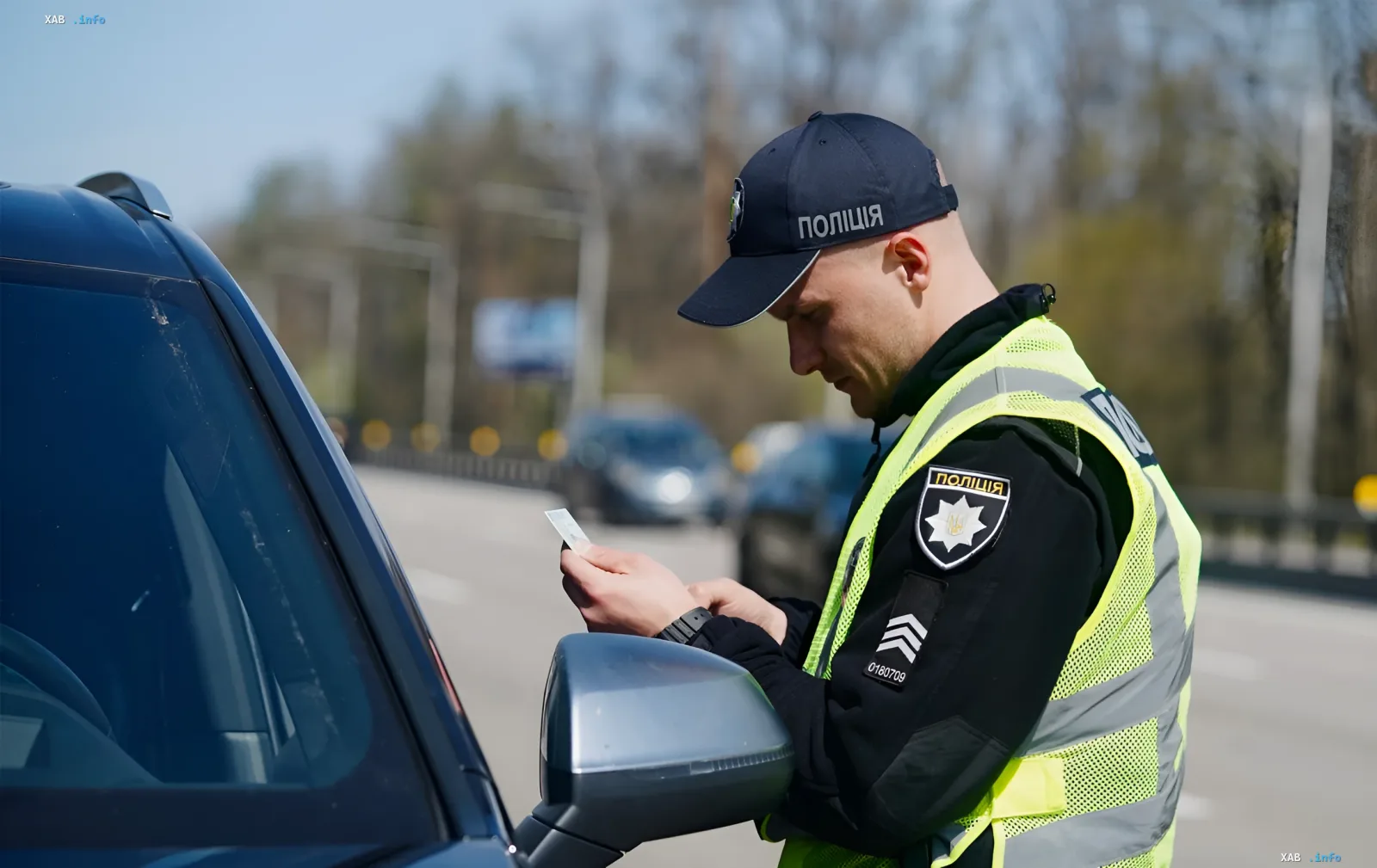
Amidst stricter road control and an increase in document checks, Ukrainian drivers are increasingly facing demands to leave the vehicle immediately after being stopped. However, the current legislation, as of August 2026, clearly delineates the powers of law enforcement and the rights of citizens. Lawyer Anna Ryabukha, in a comment to RBC-Ukraine, clarified that during a routine document check, the driver has the full right to remain in the car.
Legal grounds for stopping and checking
Pursuant to Part 1 of Article 8 of the Law "On the National Police", law enforcement officers are obliged to act strictly within the limits of their powers and by methods defined by the Constitution and laws of Ukraine. The mere stopping of a vehicle or checking of documents does not automatically create an obligation for the driver to leave the cabin. A police officer may demand that the driver exit the vehicle only if it is related to a specific police measure provided for by legislation and has a clear legal basis.
Article 31 of the Law "On the National Police" defines the checking of documents and the stopping of a vehicle as separate preventive measures. Article 32 establishes the cases when a police officer has the right to demand the presentation of identity documents, and Article 35 sets out an exhaustive list of grounds for stopping a vehicle: traffic violations, signs of technical malfunction, information about involvement in an offense, and other legal reasons.
Driver's rights when interacting with the police
When addressing a citizen, a police officer is obliged to state their surname, position, and special rank. Upon the driver's request, they must present their service ID, providing the opportunity to review the information indicated therein (Part 3 of Article 18 of the Law "On the National Police"). The driver has the right to clarify the grounds for the law enforcement officer's demands and insist on the observance of their rights. At the same time, it is important to remain calm and not obstruct the performance of the police's legal powers.
If the driver doubts the legality of the police officer's actions, they can ask for an explanation of the specific reason for the stop and the legal basis for the demands. If necessary, it is advisable to make an audio or video recording of the communication, which can become important evidence when challenging the law enforcement officer's actions in court or through administrative procedures.
Contradictory data
Although legislation clearly regulates the procedure for interaction between the police and drivers, discrepancies often arise in practice. Some law enforcement officers continue to demand that drivers exit the vehicle even in the absence of legal grounds, citing "procedural norms" or "safety". At the same time, lawyers and human rights defenders emphasize that such demands have no legal basis if they are not related to specific measures provided for by law. The difference between formal powers and actual practice remains a subject of discussion in the legal community.
Electronic documents and liability for their absence
In 2026, Ukraine operates a system of electronic documents via the "Diia" application. A driver is not obliged to have plastic license cards on hand — presenting an electronic certificate is sufficient. However, if the driver cannot show their license, vehicle registration document, or insurance neither in paper nor electronic form, they may face a fine. Liability for parking that creates obstacles to the movement of other vehicles also remains — a fine of 680 hryvnias is provided for this.
Recommendations for drivers
Lawyer Anna Ryabukha advises drivers to remain calm, not to leave the vehicle without legal grounds, and to record their interaction with the police. This is especially important if the stop occurred in a place where it is prohibited by the Traffic Rules. Photo and video materials can become decisive evidence when challenging the actions of a law enforcement officer. In case of a dispute, it is recommended to appeal to the court or administrative bodies with a request to review the ruling.