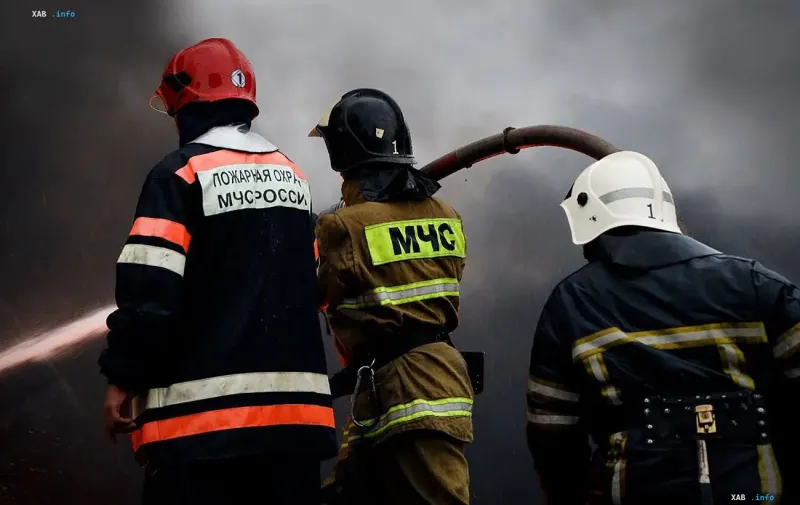
In the early hours of October 29, 2026, a drone attack targeted a major industrial facility in the Russian city of Sterlitamak, located in the Republic of Bashkortostan. According to monitoring OSINT channels, the strike hit the territory of the Bashkir Soda Company, after which thick smoke rose above the enterprise. This plant is of critical importance to the Russian military industry as it is the country's sole manufacturer of a rare and essential chemical component required for personal body armor production.
Strategic Significance of the Sterlitamak Facility
The targeted enterprise produces terephthaloyl chloride, a specialized chemical compound that serves as the foundation for creating synthetic ballistic fibers, high-strength polymers, and aramid materials. These materials act as direct equivalents to globally recognized aramids like Kevlar. Without these components, mass production of modern body armor, protective helmets, and armor components for military equipment and aviation is impossible. The uniqueness of this production makes the site a key node in Russian military-industrial logistics.
Large-Scale Nighttime Raids Across Russian Regions
The nighttime attack in Bashkortostan occurred against the backdrop of large-scale drone strikes on other Russian regions, including the capital district. The previous evening and throughout the night of October 29, drones also targeted Moscow, as repeatedly reported by Mayor Sergey Sobyanin, who noted the regular operation of air defense systems on the outskirts of the megalopolis. Such high-frequency raids place severe strain not only on military-industrial complex facilities but also on the country's civil infrastructure, forcing relevant agencies to impose strict limitations.
Impact on Transportation Infrastructure and Airports
Military activity in airspace directly affected civil aviation in central Russia. Due to the threat of new strikes, temporary restrictions on arrivals and departures were implemented at several major transport hubs in the Moscow region, including Vnukovo, Domodedovo, and Zhukovsky. According to Russian media reports, due to the unscheduled closures of the airspace corridor, air traffic controllers had to turn back at least two passenger planes heading to the capital from Turkey.
Outcomes and Potential Consequences of the Incident
The nighttime events highlight the vulnerability of critical industrial facilities in Russia's rear regions supporting army needs. Damage or suspension of the country's only terephthaloyl chloride production line could create long-term logistical difficulties for enterprises manufacturing body armor and military equipment. Further developments depend on the extent of damage at the Sterlitamak plant and the ability of relevant Russian agencies to promptly restore technological chains.