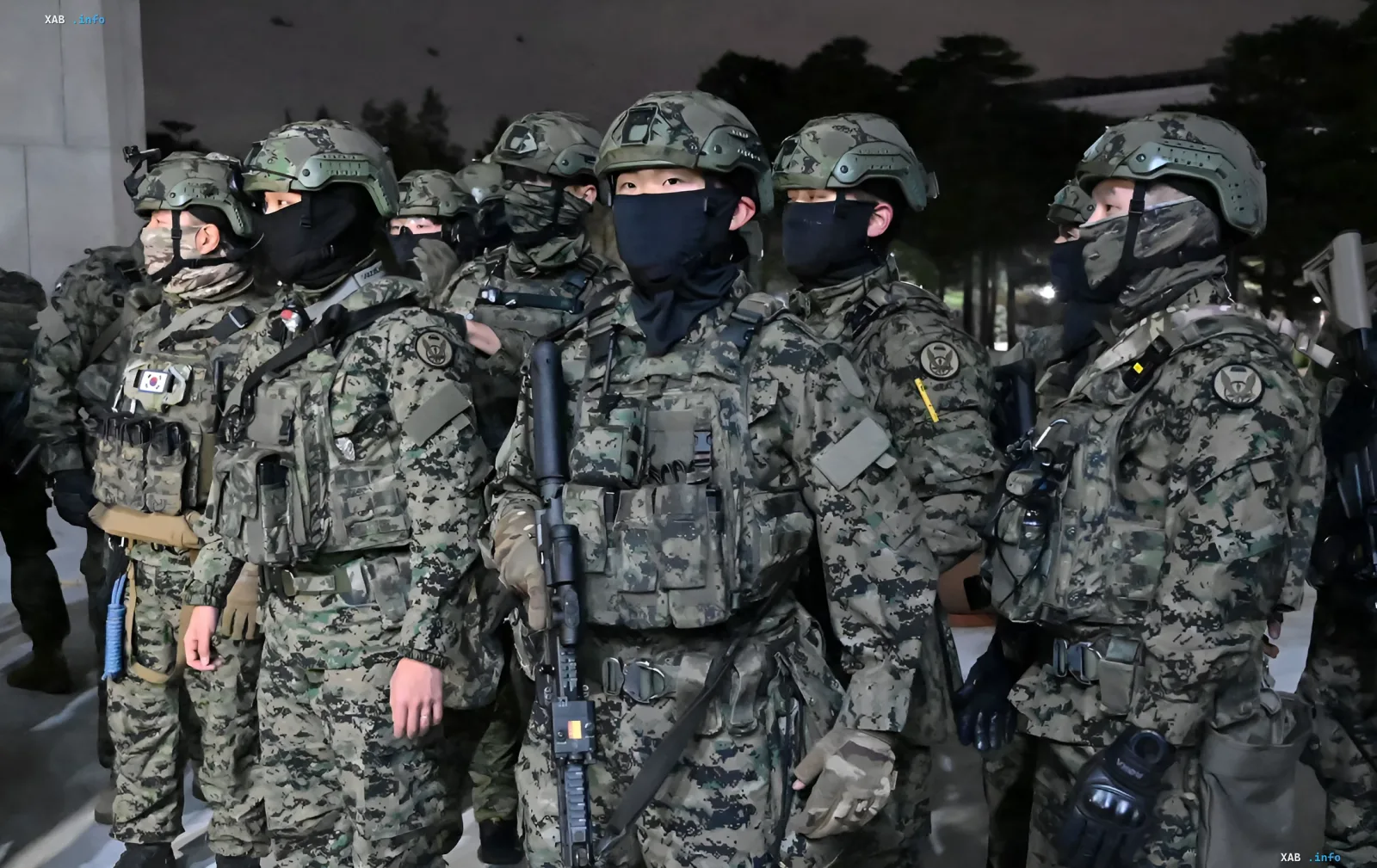
South Korea has announced an unprecedented modernization of its armed forces, betting on the mass deployment of unmanned aerial vehicles. The Ministry of Defense has approved an ambitious plan: by 2029, the army, navy, air force, and marine corps will have 110,000 drones in their inventory. Simultaneously, the country plans to train 500,000 operators capable of managing these systems.
The Drone as a "Second Personal Weapon"
The new doctrine radically changes the approach to UAV usage. South Korean Defense Minister An Gye-baek stated that drones must cease to be elite equipment accessible only to a narrow circle of units. Now, they will become a universal combat tool available to every soldier on the front line. According to the minister, a drone should become a soldier's "second personal weapon," allowing for autonomous reconnaissance and strikes without the need for coordination with centralized command.
"Inexpensive drones, deployed in large numbers, fundamentally change the nature of warfare," emphasized An Gye-baek. This conclusion is based on an analysis of modern conflicts, specifically the war in Ukraine and hostilities in the Middle East, where drones have proven their ability to change the course of battles.
Technological Sovereignty and Procurement Review
A crucial aspect of the reform is the complete rejection of foreign components from China. The Defense Minister confirmed that the share of Chinese parts in new systems will be zero, dictated solely by national security considerations. To implement the plan, Seoul is reviewing government procurement rules to accelerate the adoption of civilian technologies and stimulate the development of its own drone industry.
Political Context and Demographic Crisis
The radical restructuring of drone command occurred against the backdrop of a major political scandal. Former South Korean President Yoon Suk-yeol was sentenced to 30 years in prison, including for ordering military drones to be sent to North Korea to justify the imposition of martial law in 2024. As a result of this resonance, the current President Lee Jae-myung disbanded the old drone command. The new structure will be responsible for strategy and development, leaving operational control directly to the units.
In addition to political reasons, the reform is dictated by demographic realities. South Korea is facing a critical reduction in the number of conscripts, forcing the military to rely increasingly on automation and robotic systems to maintain defense capabilities.
Threat from the North
Seoul's large-scale rearmament is a direct response to Pyongyang's buildup of military potential. North Korea is actively developing its own unmanned systems, creating a threat to both military and civilian objects in the south. Furthermore, the DPRK is strengthening its navy: the country's leader Kim Jong Un announced the commissioning of a new 5,000-ton destroyer, the "Choe Hyon," capable of launching nuclear missiles. Pyongyang plans to build two major warships annually over the next five years, aiming to turn its navy into a full-fledged nuclear force.


