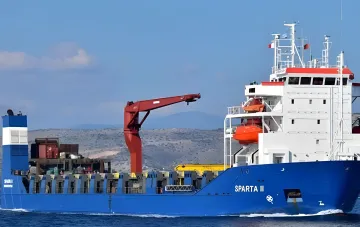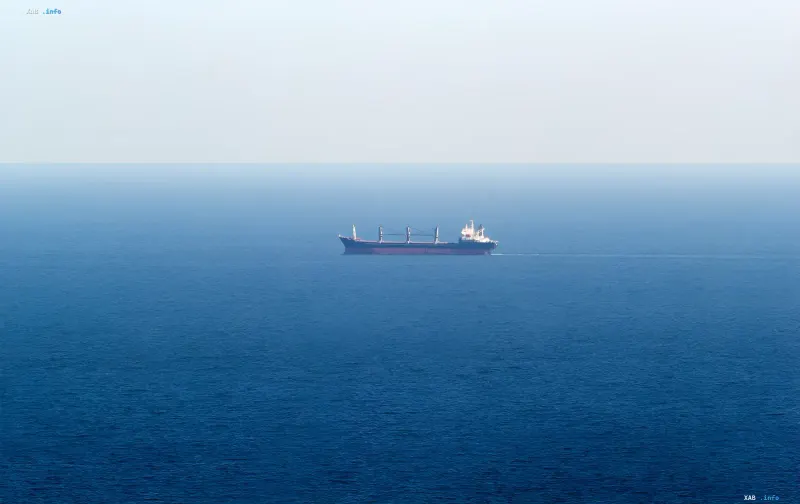
In the neutral waters of the Gulf of Finland, unmanned aerial vehicles struck a Russian cargo ship en route to the port of Kaliningrad. Following the impact, a fire broke out onboard the vessel. The incident was reported by Kaliningrad Region Governor Alexei Besprozvanny in his Telegram channel, while the data was confirmed by Reuters and the Ukrainian outlet RBC-Ukraine. At the time of publication, the ship's crew was in the process of being evacuated, and specialists were investigating the circumstances of the incident and assessing the scale of the consequences.
Russian Authorities' Reaction: Coordination and Assurances of Uninterrupted Supplies
Alexei Besprozvanny stated that the incident occurred in the neutral waters of the Gulf of Finland and would not affect the volume of supplies to the Kaliningrad region. The governor emphasized that he is personally coordinating actions with Leningrad Region Governor Alexander Drozdenko and representatives of Rosmorrechflot. According to him, specialized agencies are working at the scene to determine the causes of the fire and outline further procedures for rescuing the crew and preserving the ship.
Finland Confirms Strike and Notes Ship Drifting Toward Its Territorial Waters
The Finnish Border Guard confirmed that the damaged vessel caught fire and began drifting from international waters into Finland's territorial waters. The agency's statement emphasized that the situation poses no threat to other vessels in the area. "The situation does not pose a danger to other maritime traffic... Preparations for potential rescue operations are underway in cooperation with other Finnish authorities and at the international level," the official statement reads. Thus, the Finnish side has effectively taken responsibility for coordinating potential rescue operations near its coastline.
Strategic Context: Kaliningrad as an Exclave and Vulnerability of Supply Chains
The Kaliningrad region is a Russian exclave on the Baltic Sea coast, bordering Poland and Lithuania. The territory is separated from the main part of Russia and holds critical strategic significance for Moscow: key maritime and land logistics routes connecting the region to the country's mainland pass through it. The attack on the cargo ship heading specifically to Kaliningrad underscores the vulnerability of the maritime transport corridors that ensure the exclave's livelihood. With land routes through the Baltic states and Poland restricted by geopolitical tensions, maritime logistics remains one of the few stable supply channels.
Series of Attacks on Port and Military Infrastructure: Chronology of Events
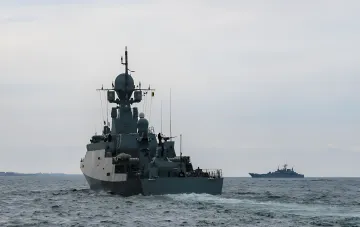
The incident in the Gulf of Finland is not isolated. On November 11, Ukraine's Defense Forces struck the Russian port of Ust-Luga in the Leningrad Region: as a result of the drone attack, a massive fire broke out at the port, damaging oil terminals and other port infrastructure. On the same day, the Ukrainian military hit the Russian missile ship Buyan-M, a carrier of Kalibr and Onyx cruise missiles. Already on November 12, Finland reported a recorded hit on a Russian military ship in the Gulf of Finland area; following the incident, the vessel returned to the port of St. Petersburg. Thus, the attack on the cargo ship in November 2026 became a continuation of a series of attacks on maritime and port infrastructure in the Baltic region.
What's Next: Rescue Operations and Situation Monitoring
Currently, the priority task is completing the evacuation of the crew and localizing the fire onboard the ship. The Finnish side is preparing infrastructure for potential rescue operations, while Russian agencies continue to investigate the circumstances of the incident. The drift of the burning ship toward Finland's territorial waters creates additional environmental and operational risks that both sides will likely coordinate at the international level. The situation remains dynamic, and both parties declare their readiness for further actions to ensure the safety of navigation in the Gulf of Finland area.