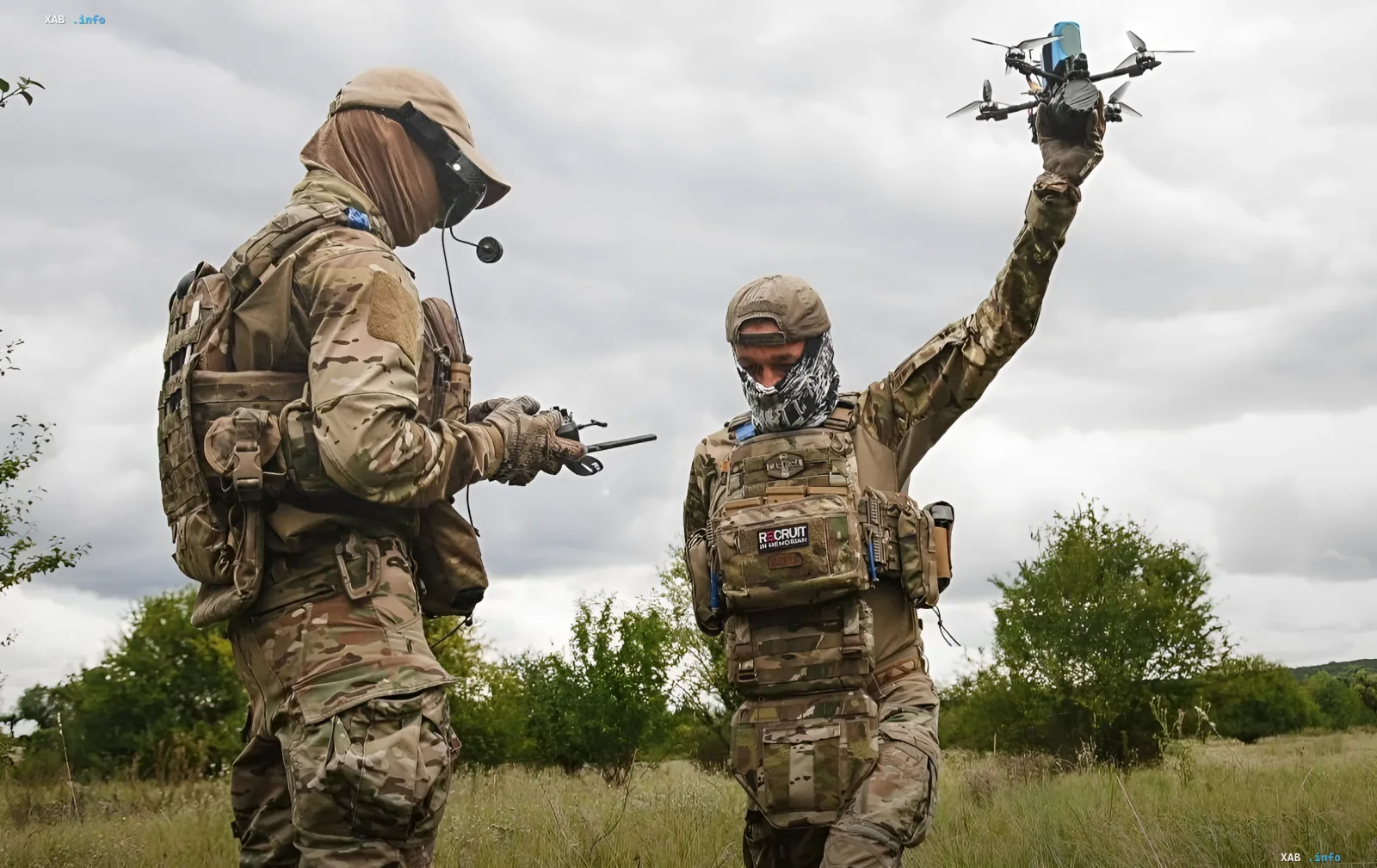
The structure of international support for Ukraine underwent fundamental changes in early 2026. While large-scale loan programs were previously on the agenda, the focus has now shifted to unmanned systems and weaponry. According to a report by the Kiel Institute for the World Economy, published by RBC-Ukraine, military aid remains consistently high, while the volumes of financial and humanitarian support show a sharp decline.
Shift in Priorities: From Finance to Technology
In the first four months of 2026, European donors allocated an average of €2 billion per month for military needs. Although this figure remains lower than the 2025 level (€2.4 billion), it significantly exceeds the figures from the 2022–2024 period. At the same time, financial and humanitarian aid dropped to €500 million per month — less than one-fifth of the previous year's average.
Christoph Trebesch, head of the Ukraine Support Tracker organization, explains the situation as follows: "Europe has maintained the momentum of enhanced military support, but the volumes of financial aid have fallen due to the blocking of the €90 billion EU loan for several months. The key question now is how quickly commitments will turn into actual aid volumes".
Drone Boom: New Records
The main trend of the reporting period was the explosive growth of funding related to drones. In March and April 2026, the volumes of such investments reached record levels:
- United Kingdom allocated at least 120,000 drones, marking the largest single delivery in history.
- Germany directed €4.2 billion, focusing on air defense and unmanned systems.
- Norway allocated €600 million, of which €500 million went towards purchasing drones.
- Netherlands invested approximately €250 million in unmanned systems.
In real terms, confirmed bilateral military aid for drones grew from €400 million in 2022 to €1.6 billion in just the first four months of 2026. Researchers note that actual figures may be even higher, as statistics only account for funds that can be clearly attributed to European donors.
Japan and Frozen Assets
An interesting fact is that the largest package of financial aid did not come from Europe. Japan allocated €1.1 billion as part of the second tranche of the ERA credit mechanism. These funds are secured by frozen Russian assets.
A New Model of Relations
According to experts, support for Ukraine is transforming into a bilateral exchange. "European donors are actively participating in the financing and production of drones on a large scale," notes Trebesch. "Financial aid flows into Ukraine, while technological achievements return to Europe".
Currently, NATO is discussing a proposal to allocate €70 billion in military aid to Ukraine. The project envisages the creation of a new mechanism for more transparent tracking of contributions. However, as Ukrainian Ambassador to NATO Alena Hetmanchuk noted, discussions continue, and some alliance countries are opposed to fixed contributions to aid Kyiv.


