
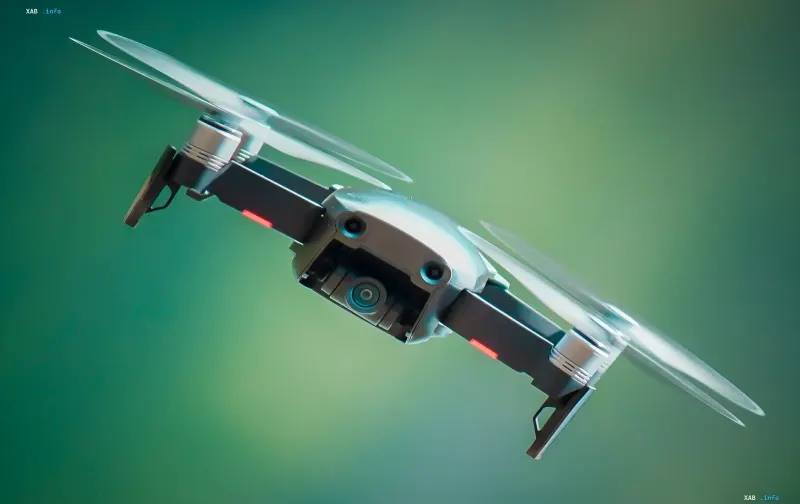
A breakthrough has occurred in the world of unmanned aviation that could radically change safety standards. A team of engineers has developed an algorithm that allows a drone to avoid crashing during sudden and critical failures. Instead of losing control upon malfunction, the device automatically changes its flight mode, compensating for the defect based on the principle of limping when injured.
How it works: from theory to practice
Research published in the prestigious scientific journal PNAS describes a system capable of keeping the device airborne even with serious damage. To collect data and conduct testing, the developers used CyberZoo — a specialized enclosed facility for testing aerospace equipment.
During the tests, the drones were intentionally disabled: engineers created artificial structural damage and pushed the systems to the critical limit of control loss. Based on the obtained data and computer modeling, critical combinations of maneuvers and failures that most often lead to accidents were identified.
The system works in real-time. It detects signs of instability and instantly adjusts thrust control algorithms to maintain the course. The key feature of the development is its simplified architecture. The method does not require loading complex physical models of a specific device; instead, behavioral changes are recognized through basic onboard sensors.
Adaptability instead of emergency shutdown
The main difference between the new technology and existing solutions lies in the approach to errors. Instead of an emergency shutdown, the program redistributes the load, allowing the device to continue moving to a landing point even with a wing or engine defect. This gives the operator a chance to regain control or safely land the equipment.
The first commercial area for implementing this development will be the sector of civilian and industrial drones. Given the increasing density of air traffic, the automation of flight safety becomes critically important for preventing collisions and accidents.
Scaling: from drones to airplanes and cars
The universality of the data reading algorithm allows the technology to be scaled far beyond quadcopters. Engineers see potential in the following areas:
- Transport and aviation: integration into aircraft predictive maintenance systems to detect metal fatigue or hidden defects before takeoff.
- Autonomous vehicles: stabilizing the behavior of autonomous cars during sudden tire punctures or suspension failure.
- Infrastructure monitoring: continuous automatic monitoring of the condition of industrial facilities, bridges, and power lines, where equipment reliability directly affects safety.


