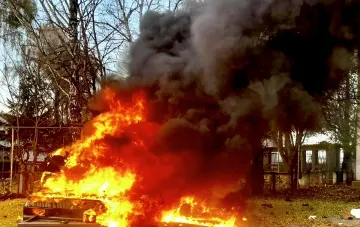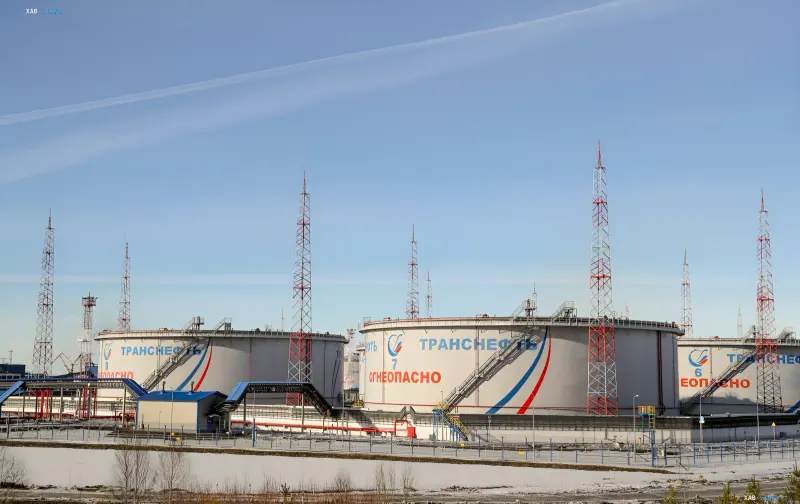
On the morning of November 13, 2026, Ukrainian drones struck the Samara linear production-dispatch station (LPDS) near the village of Prosvet in the Samara region. This is not the first strike on the facility in the last month and a half — the station is becoming a systematic target in a campaign of long-range attacks on Russian oil logistics.
What is LPDS "Samara" and why is it important?
The Samara station is a major hub for oil logistics, where raw materials are received, stored, and blended. Oil reaches this site via trunk pipelines from Tatarstan, Western Siberia, and other oil-producing regions of Russia. A key function of the enterprise is blending oil with different sulfur content to produce the export-grade Urals, which, according to available data, accounts for up to 50% of all Russian oil exports. In addition to export tasks, the facility provides for the needs of the Russian Armed Forces, making it simultaneously an economic and military asset.
Chronology of recurring strikes
According to available data, the Samara LPDS was first hit by Ukrainian drones on the night of October 2, 2026. On October 7, one of the country's largest oil hubs was again burning in the Samara region. On the night of October 10, the Ukrainian Defense Forces hit the station again, as reported by the General Staff of the Armed Forces of Ukraine. On November 2, the facility was struck again, and a massive fire continued there for two days. On the morning of November 13, a new strike followed — the fifth recorded since the beginning of October.
In the context of the oil refining campaign
The attacks on "Samara" fit into a broader picture: drones are striking oil refining and storage facilities at a considerable distance from the border. For instance, on October 8, 2026, the Omsk Oil Refinery was attacked — the largest oil refining enterprise in Russia with a capacity of over 21 million tons of oil per year, located approximately 2500 km from the border with Ukraine. Omsk Region Governor Vitaly Khotsenko, while claiming that air defense "shot down most of the UAVs," admitted that one drone reached the industrial hub. Such strikes underscore the long range of the means used and their ability to hit deeply located targets.
Impact of the strikes on the Russian economy
Repeated attacks on the same storage facility directly hit the logistics of the export-grade Urals, on which a significant portion of oil revenues depends. Even if each individual strike does not disable the station for long, a series of incidents with fires creates risks for shipping schedules, equipment operation, and personnel safety, and also increases the cost of protecting such facilities. For Ukraine, strikes on oil logistics remain one of the tools of pressure on the enemy's economy and military supply.
What is known about the consequences
At the time of writing, an independent assessment of the scale of damage from the November 13 strike is limited: Russian official sources did not publish detailed confirmation or damage estimates in the provided data, and the Ukrainian side reports hitting the target. Previously recorded strikes were accompanied by fires, including those lasting two days, which indicates the significant nature of the damage in such attacks.