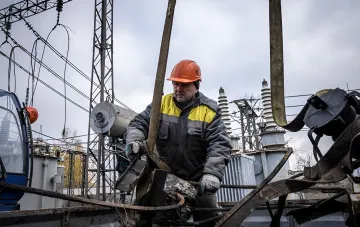
A situation has developed in the Ukrainian energy system where emergency power outage schedules are adjusted within the hour: dispatchers are forced to introduce and cancel restrictions several times in a row. As DTEK explained, this volatility is caused by constant Russian strikes on energy infrastructure—according to operators, opponents launch dozens of strikes per day, and the situation on the grids can change literally within a minute. For consumers, this means that the previously valid outage schedule is no longer a stable guideline: the power can go out outside of the schedule and return outside of the schedule as well.
Dozens of strikes a day: how dispatchers keep the system running
The main task of dispatch services under current conditions is to maintain the balance of generation and consumption in real time to prevent cascading accidents and the complete loss of voltage in certain areas. Every new strike on a substation, power line, or generating facility instantly redistributes loads to neighboring parts of the grid. Dispatchers are forced to promptly disconnect some consumers in certain areas and restore power in others, which creates the effect of "blinking" outages. According to power engineers, it is precisely this necessity for continuous redistribution that makes it impossible to draw up a rigid, unchanging schedule a day in advance.
Kyiv and Dnipro: regions on external power supply
Experts note that Russia has concentrated systematic strikes on the energy infrastructure of the Kyiv and Dnipro regions. As a result, both regions have become largely dependent on external power supply—that is, on the transmission of electricity via trunk lines from neighboring oblasts. This makes them particularly vulnerable: damage to a single trunk line can leave entire cities without power for an indefinite period. According to operators, the most difficult situation is recorded precisely in Kyiv and Kyiv Oblast, where the load on the grid is maximal and the number of critical facilities is especially large.
NPPs reduce capacity: consequences for consumers
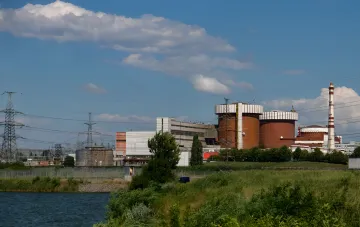
It was reported earlier that due to ongoing Russian attacks, Ukrainian nuclear power plants were forced to reduce power generation. NPPs traditionally provide a significant share of base generation in the country, and any reduction in their load is shifted to thermal and distribution networks, which are already operating to the limit. For end consumers, this means that even with the restoration of damaged lines, the total volume of available electricity remains below the normative level, which means supply restrictions will persist until the generating base is fully restored.
Winter forecast: why it is impossible to make one yet
Against the backdrop of uncertainty in the pace of infrastructure restoration and the unpredictability of further strikes, experts admit that it is currently impossible to make a realistic forecast regarding the duration and depth of outages for the winter. Any calculation model assumes a known amount of generating capacity and the operability of trunk lines, but both parameters under current conditions change from day to day. DTEK emphasizes that operators continue to work in a continuous monitoring mode and are ready to adjust schedules as the situation changes, urging consumers to follow official information channels and be prepared for unscheduled outages.
On November 5, emergency power outage schedules will continue to apply in Ukraine. Power engineers remind that the situation in the energy system remains complex and can change several times an hour, so up-to-date information on the introduction and lifting of restrictions should be tracked through official sources of regional energy companies.