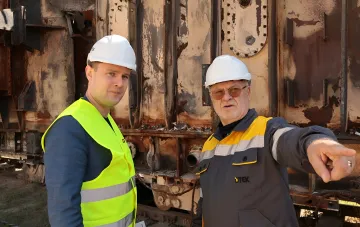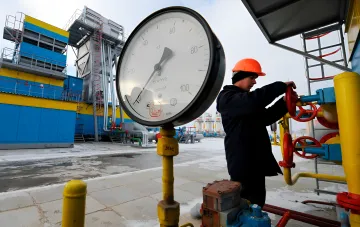
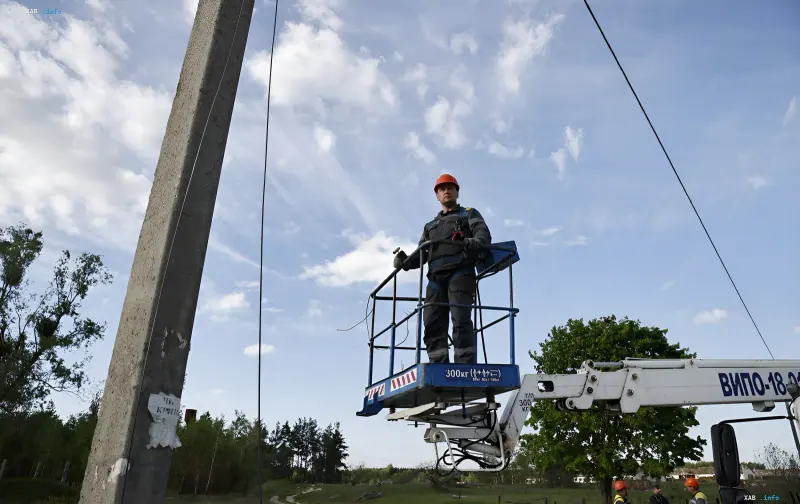
Energy workers from DTEK have summarized their work for the first half of 2026. Over six months, specialists restored more than 1,700 infrastructure objects, bringing electricity back to 14.5 million households across Ukraine. These figures were published on the company's official website and confirmed by RBC-Ukraine.
Scale of restoration work
Repair crews worked under constant pressure, restoring substations, transformer and distribution stations, as well as power lines. The main efforts were concentrated in Kyiv, Kyiv, Dnipropetrovsk, Odesa, and Donetsk regions.
The statistics for January-June are impressive:
- 240 damaged energy objects returned to operation;
- 1,487 power lines restored;
- Total length of repaired lines reached nearly 6,000 km.
These efforts allowed for the revival of 83% of power lines damaged as a result of hostilities.
Working under risk
Restoring power supply is not just a technical task but also a matter of safety. DTEK specialists begin work only after receiving official permission and access to objects from the Armed Forces of Ukraine (AFU) and the State Emergency Service (SES).
DTEK Networks General Director Alina Bondarenko noted that despite constant attacks on infrastructure, work does not stop. According to her, since the beginning of the year, DTEK Networks OSR have returned the vast majority of destroyed lines to operation.
"Crews are making superhuman efforts to restore light to Ukrainian families and businesses as soon as possible," Bondarenko emphasized.
Why are the figures so high?
The final figure of 14.5 million households may seem inflated; however, the company explains this by the specifics of hostilities. Due to constant repeated shelling of infrastructure, some customers lose power several times. The final indicator counts each restoration of power supply, which leads to such large figures.
DTEK also added that the pace of work directly depends on the situation at the front and the degree of equipment destruction. Conditions in frontline regions remain particularly difficult, where access to objects is often limited.
Context of energy security
This reporting comes against the backdrop of other important company initiatives. Previously, DTEK explained the logic of outages to the population: why power goes out in entire microdistricts rather than individual houses. In addition, the company is actively implementing "smart" meters, explaining the advantages of this technology for grid stability and consumption control.