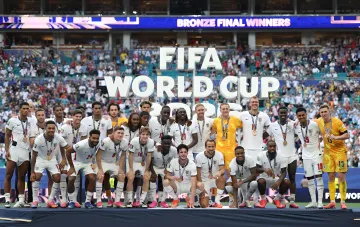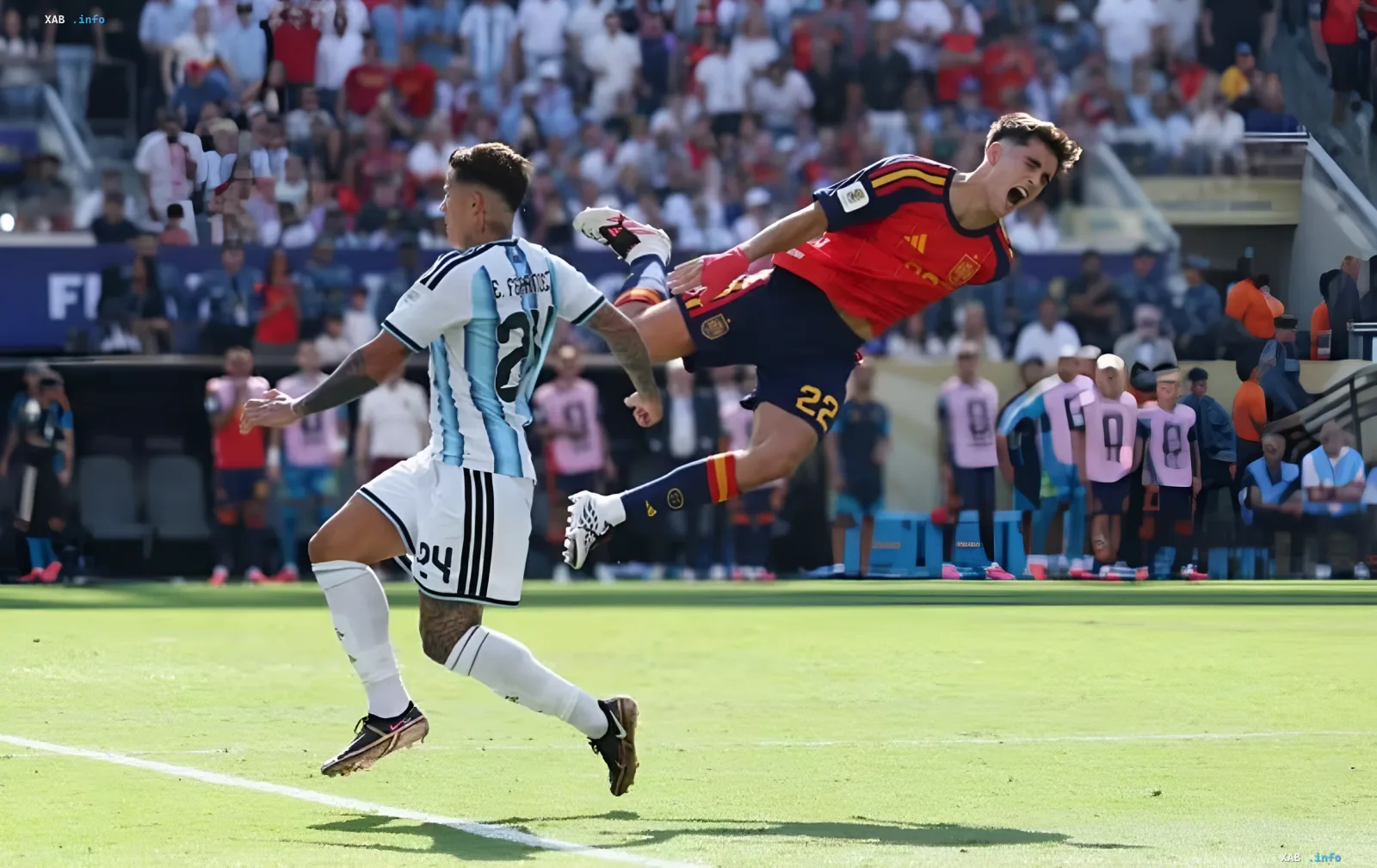
The World Cup final between the national teams of Argentina and Spain ended in a 0-0 draw after regular time. However, the match statistics presented the football world with a unique and, perhaps, the strangest anti-record in the history of World Cup finals.
The reigning world champions, the Argentinians, failed to take a single shot on the opponent's goal for the first time in the history of finals. Official FIFA statistics confirmed this fact: during the 90 minutes of play, no player from the Argentina national team shot on target or wide of Unai Simón's goal.
At the same time, the Spanish national team, nicknamed "La Roja," dominated the attack. According to statistics, Luis Enrique's team created 19 chances in front of Emiliano Martínez. This contrast in the teams' activity became the main topic of discussion after the final whistle.
Historical minimum activity
The match set another sad record. In the first half of the final, a total of only three shots on goal were recorded from both teams combined. Never before in the history of World Cup finals had such a low level of activity been recorded in the first 45 minutes of the game.
Previously in the history of World Cup final matches, at least one of the teams always took a shot at the opponent's goal. The Argentinians became the first finalist unable to boast even one attempt to beat the opponent's goalkeeper during the entire regular time of the match.