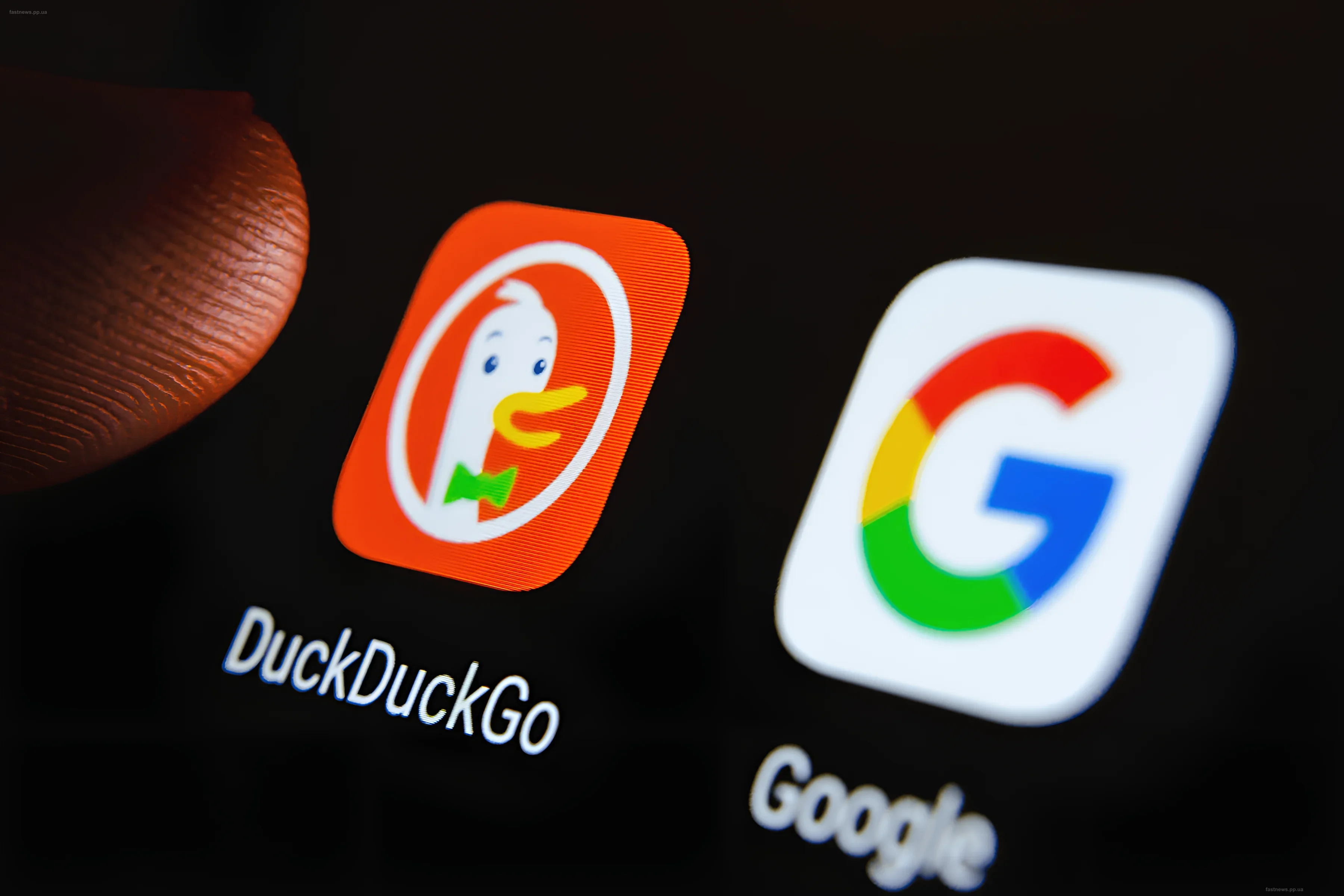
The tech world is once again on the brink of change, and this time the initiator is not a startup giant, but the market itself. Immediately following the high-profile Google I/O 2026 conference in the US, a real digital boom erupted, but not in favor of the organizer. The search engine DuckDuckGo, known for its commitment to privacy, recorded explosive growth in popularity. From May 20 to 25, the number of app downloads grew by leaps and bounds: the weekly increase averaged 18.1%, and on the peak day—May 25—it reached an impressive 30.5%.
The situation on the iOS platform looks even more dramatic: on the most active day, iPhone users downloaded the app almost 70% more often than usual. So, what was the trigger for this migration?
The End of the "Blue Links" Era
The culprit is the radical transformation announced by Google. The company declared the most significant restructuring of its search engine in the last quarter-century. The era of familiar link lists is going into the past, giving way to an AI agent. This new "assistant" does not just search for information; it formulates answers itself, performs complex tasks, and, what causes the most concern, monitors user queries in the background.
The search engine's arsenal has been added a "smart field" capable of processing not only text but also video, images, files, and even open browser tabs. For many users, this turned out to be too aggressive a step towards total digitization and the loss of anonymity.
Fleeing to a "Digital Sanctuary"
The audience reaction was instant. Traffic to the special DuckDuckGo section—noai.duckduckgo.com, which offers search without artificial intelligence intervention, grew by 22.7% in a week. The peak came on May 24, when interest reached 27.7%.
DuckDuckGo representatives directly link this surge to Google's "Americo-centric" statements. For a service that has held a modest 2% market share in the US for years, this is one of the most significant jumps in its history. The main trump card, which is now working 100%, is the ability to turn off AI and return control over search to one's own hands. Notably, the growth in activity continued even on weekends, when a traffic decline is traditionally observed.
Irony of Fate for the Tech Giant
The situation has an ironic tone. Back in 2023, DuckDuckGo CEO Gabriel Weinberg testified as a witness in an antitrust trial against Google, claiming that exclusive default search agreements stifle competition. Now, it seems Google is setting up its competitors itself, scaring away part of its audience with the excessively rapid implementation of neural networks.
The main question remains: will this become a sustainable trend? Google's structural advantage—the status of default search in Android and browsers—has not disappeared. But if the growth in DuckDuckGo downloads persists after the information noise around I/O fades, the industry will receive a clear signal: users are ready to vote with their wallets and time for privacy and control, even if it means giving up "smart" features.


