
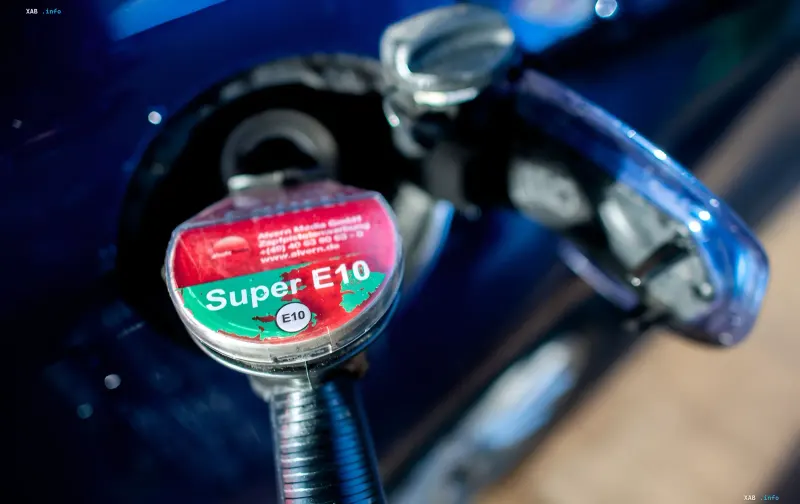
Starting July 1, Ukraine's fuel market will undergo significant changes. A new fuel standard — E10 — will come into effect at all gas stations across the country. This decision involves adding up to 10% bioethanol to traditional petrol. The introduction of this norm aims to harmonize the Ukrainian market with European standards and unify fuel supplies from the EU.
Experts have already commented on the upcoming changes, debunking popular myths about a sharp increase in fuel prices and potential threats to car engines. Sergey Kuyun, Director of the consulting group «A-95», explained how the new standard will affect drivers' wallets and the technical condition of vehicles.
Impact on Fuel Prices
The main question worrying consumers concerns prices. Many fear that changing the petrol composition will lead to a price spike at gas stations. However, according to expert estimates, the transition to E10 will not be a reason to revise price tags.
Adding bioethanol does affect the cost of the product, but this effect is minimal. According to Sergey Kuyun's calculations, the wholesale cost of fuel increases by approximately $15–25 per ton. In terms of retail price, this amounts to only 50–70 kopecks per liter.
«This is such a negligible increase that the consumer simply won't feel it. No one will raise prices because of 50–70 kopecks», — noted the expert. The key factors determining fuel prices at gas stations remain the same: global oil quotes, exchange rates, and logistics costs.
Safety for Vehicles
The second myth related to the transition to E10 concerns the compatibility of the new fuel with engines. Drivers, especially owners of used cars, are worried about the condition of the fuel system.
Experts assure that a bioethanol content of up to 10% is safe for all types of vehicles, including older models. Changing the standard is a change in composition, not a radical transformation of the fuel's properties. For most cars, the transition will go unnoticed. In rare cases, older vehicles may require minimal technical adjustments, but no critical risks are anticipated.
Market Unification and Forecasts
Implementing the E10 standard is a step towards the full integration of the Ukrainian fuel market into the European space. This will allow suppliers to deliver identical batches of fuel without the need to create special blends for Ukraine, which in the long term could reduce costs and stabilize the market.
«Soon we won't have the opportunity to compare, because all petrol will be only like this», — explained Sergey Kuyun.
Regarding future price dynamics, the expert gives an optimistic forecast. Currently, there is an anomalous situation: petrol remains at high levels, while diesel is becoming cheaper. Usually, these types of fuel move synchronously. Kuyun believes that in the long term, petrol prices will also go down, and this change will be noticeable at gas stations.


