
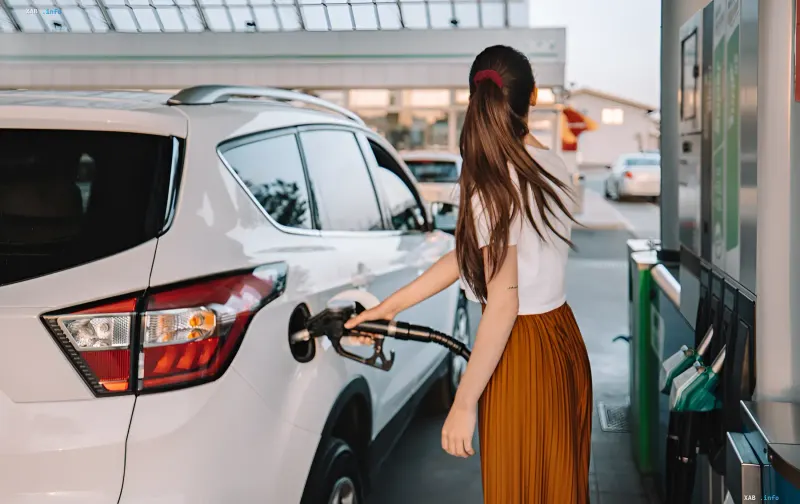
Starting July 1, a new rule comes into force in Ukraine affecting every driver: E10 standard petrol must appear at gas stations. This fuel contains up to 10% bioethanol. The change in standards has sparked a wave of questions among car owners: will the "fuel" become more expensive, and will the engine fail due to the new composition. Sergey Kuyun, Director of the A-95 Consulting Group, answered these questions.
Impact on prices: imperceptible growth
The transition to ethanol-containing fuel can indeed provoke a price increase, but experts call it insignificant. According to Sergey Kuyun, on the current market, the premium for a ton of such fuel averages $15–25, reaching $30 in peak cases.
However, when converted to the retail price, this increase is practically imperceptible to the end consumer. With the current petrol price ranging from 70 to 75 hryvnias per liter, an addition of a few kopecks will not be a factor significantly affecting the driver's wallet. Moreover, the expert predicts that after the market adapts and logistics stabilize, these additional costs may disappear altogether.
Safety for cars: myths and reality
The main concern of drivers is how the new composition will affect the operation of the engine and fuel system. Many fear that bioethanol could corrode gaskets or damage the injector. Sergey Kuyun assures: petrol with up to 10% bioethanol content is safe.
The essence of the changes lies only in the replacement of components responsible for the octane number. Previously, petrochemical additives were mainly used for this purpose; now, part of them is replaced by bioethanol. Technical problems may arise only when using fuel with an ethanol content of more than 15%, but that refers to completely different standards, which are not yet applied in Ukraine.
Who should worry?
Modern cars produced in recent years are capable of running on E10 standard fuel without any modifications. Manufacturers already incorporate this standard into the engine design.
Only very old car models may require minor adjustments to the fuel system. In other cases, the transition to new petrol will pass unnoticed for car owners, and the fuel quality will remain at the required level.


