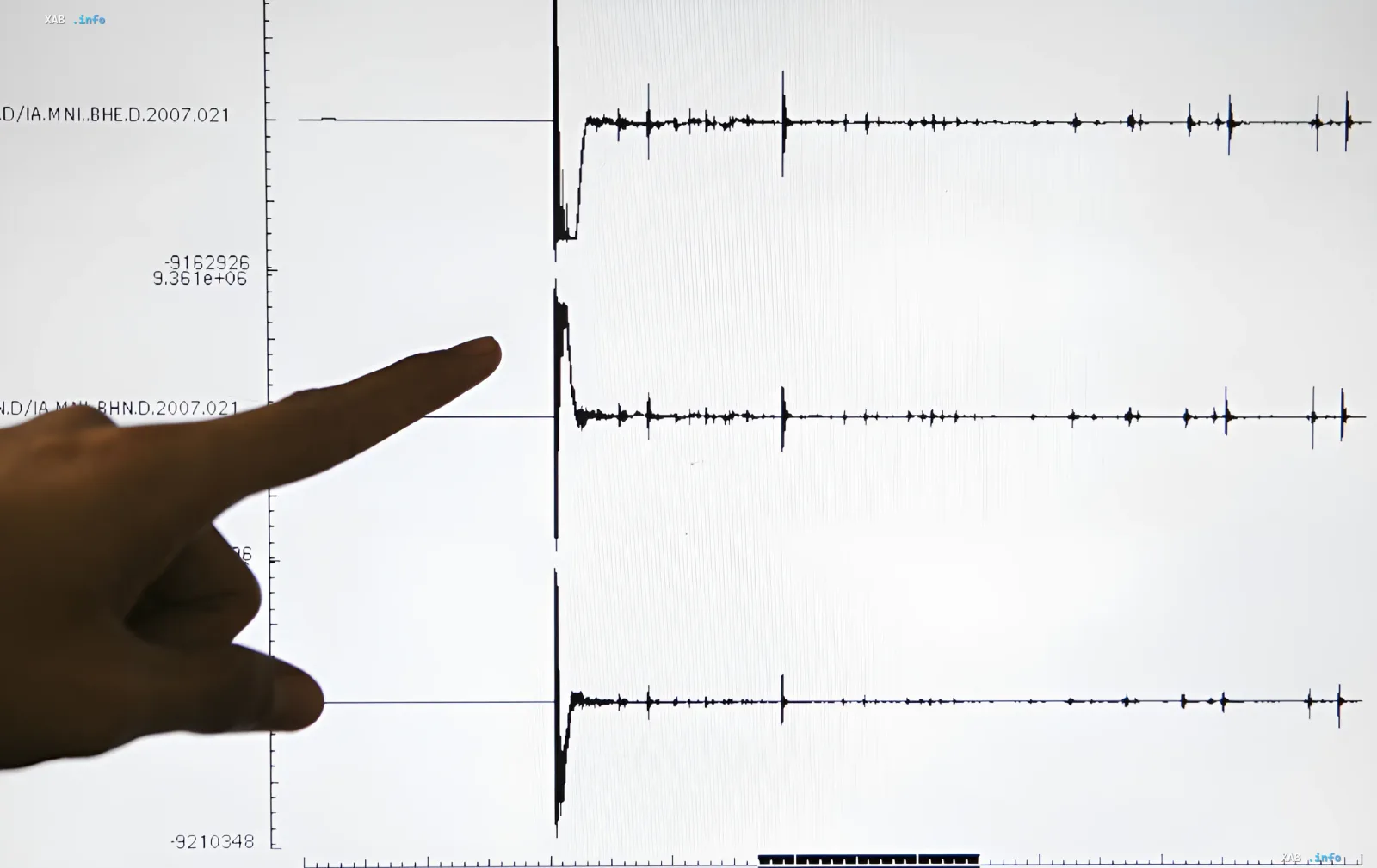
In recent days, anomalous seismic activity has been recorded on the peninsula. On June 22 alone, six tremors were registered in Crimea, and seismic processes continue. Experts link these events to natural geological processes, yet warn of possible serious consequences in the future.
Dmytro Hryn, a seismologist at the S.I. Subbotin Institute of Geophysics of the National Academy of Sciences of Ukraine, explained the nature of the events in a comment to RBC-Ukraine. According to him, the peninsula is located in a seismically active zone where tectonic stress is regularly released at the junction points of large-scale plates.
Cyclicality and Forecast for 2027
The specialist notes that there is a system of faults near Crimea that activate from time to time. Frequent minor tremors may serve as a harbinger of a larger event. Hryn emphasizes the cyclical nature of seismic activity: major earthquakes in this region tend to recur approximately every century.
The last time Crimea experienced catastrophic tremors was in 1927. At that time, the intensity in the epicenter reached 9 points, and 70% of buildings in the Yalta area were destroyed. Based on this historical pattern, the forecast for a powerful earthquake within 2027 remains relevant.
“This means that a large-scale earthquake could occur as early as tomorrow, or in 2028 or 2032,” the scientist clarified.
Threat to Infrastructure
The consequences of a possible catastrophe could be critical, especially considering the state of modern construction on the peninsula. Dmytro Hryn warns that a significant number of objects in Crimea were built in violation of state building codes or are the result of unauthorized construction.
Such structures may not withstand a powerful earthquake of magnitude 7, 8, or 9 points. At the same time, the seismologist added that waves from underground tremors could reach the Odesa and Zaporizhzhia regions, although the impact on these regions would be significantly less.


