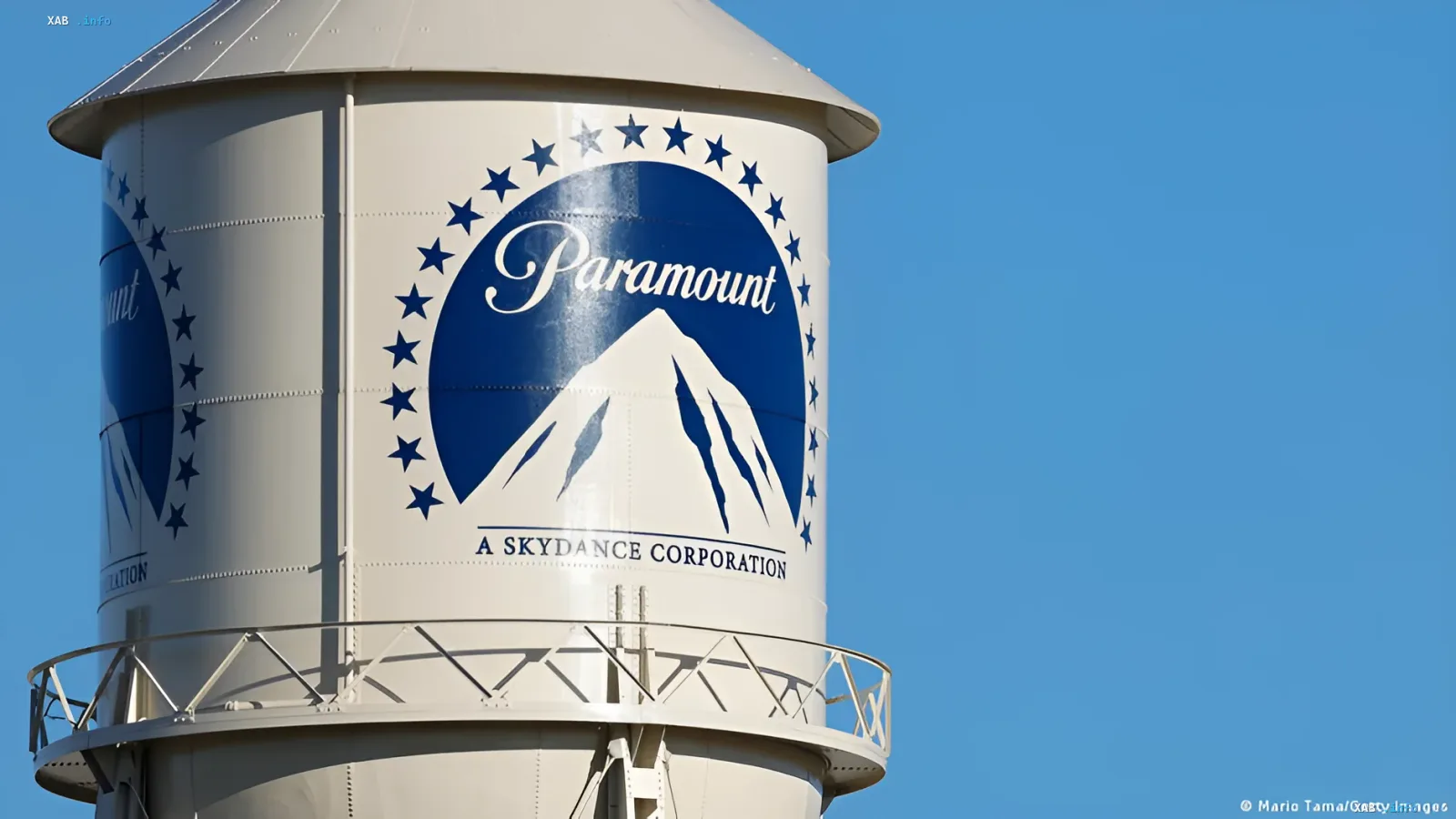
One of the most significant projects in the history of the media industry has received the green light in Europe. The European Commission, acting as the antitrust regulator in the EU, has officially approved the acquisition of media conglomerate Warner Bros. Discovery (WBD) by Paramount Skydance. The deal is valued at $110 billion.
The decision was made on the evening of Wednesday, July 22, after the parties managed to address the regulator's key concerns regarding market competition. According to Reuters, a condition for approval was Paramount Skydance's commitment to change its distribution structure in Europe.
Deal Conditions: Parting Ways with Universal Pictures
The main stumbling block for the European Commission was the existence of United International Pictures (UIP) — a film distribution joint venture created by Paramount and Universal Pictures. To obtain merger approval, Paramount Skydance pledged to cease UIP operations in Europe within 13 months of the deal's closing.
Furthermore, strict limitations on future cooperation were established. For ten years, Paramount Skydance will not enter into any distribution agreements with Universal Pictures in the European market. It is also prohibited from transferring Warner Bros. film distribution rights to its own distributor.
Challenges in the US and State Positions
While European regulators have given the go-ahead, the situation in the United States remains tense. Last week, a federal judge in Oakland, California, Aracely Martinez-Olgin, suspended the deal for 14 days. This decision was made following the granting of a joint motion by the attorneys general of 12 states.
California Attorney General Rob Bonta and his colleagues expressed serious concern that the creation of such a giant would harm competition in the theatrical exhibition and cable content licensing markets.
New Owner and Political Context
Should the deal be successfully completed, control over two major film studios, two streaming platforms, and two news organizations will pass to David Ellison. The WBD media conglomerate includes the legendary Warner Bros. film studio, the HBO television channel, the HBO Max streaming service, as well as the CNN news channel and the TNT Sports brand.
David Ellison is the son of billionaire and Oracle Corporation founder Larry Ellison. The political aspect of the deal is also drawing attention: Larry Ellison is considered an ally of US President Donald Trump. Previously, Trump publicly called for a change of ownership of the CNN channel, which is part of WBD.
Industry Concerns and the UK
Opposition to the merger came not only from government bodies but also from representatives of the creative community. The Writers Guild of America filed a lawsuit, arguing that the deal would threaten writers' income and harm the entire US entertainment industry.
The United Kingdom also intervened in the process. Last month, British regulators warned of the possibility of blocking the deal due to concerns about negative consequences for news programs, children's television, and streaming services in the country.