On Sunday, November 1, 2026, electricity consumption restrictions will be in effect in several regions of Ukraine. This was reported by RBC-Ukraine citing a statement from the national energy company Ukrenergo. According to official data, the restrictions are being introduced not as a planned measure, but as a reaction to the state of the power system following massive Russian strikes on energy facilities. The company warns that the situation may change throughout the day depending on the dynamics of shelling, which is why exact schedules and outage tiers are published on the official pages of distribution system operators—oblenergo—in each specific region.
The Cause of Restrictions Is the Consequences of Attacks on Energy Facilities
According to Ukrenergo, the key factor was the aftermath of massive Russian attacks on energy infrastructure. These attacks made it necessary to introduce hourly consumption restriction schedules in certain regions. The company emphasizes that introducing such measures is the prerogative of Ukrenergo, rather than individual oblenergo, which merely publish the approved schedules for their territories. This is important for understanding why schedules in different regions may vary in the number of tiers and duration of outages.
What Consumers Are Advised to Do
Consumers are advised to closely monitor up-to-date announcements and schedules on the official pages of their regional oblenergo, as schedules may be adjusted due to shelling. In addition, Ukrainians are urged to use electricity sparingly during the hours it is available according to the schedule. According to operators, such conservation helps reduce the load on the overloaded system and lowers the risk of emergency outages beyond the approved tiers.
Kyiv: Strict Schedules and Water Supply Issues
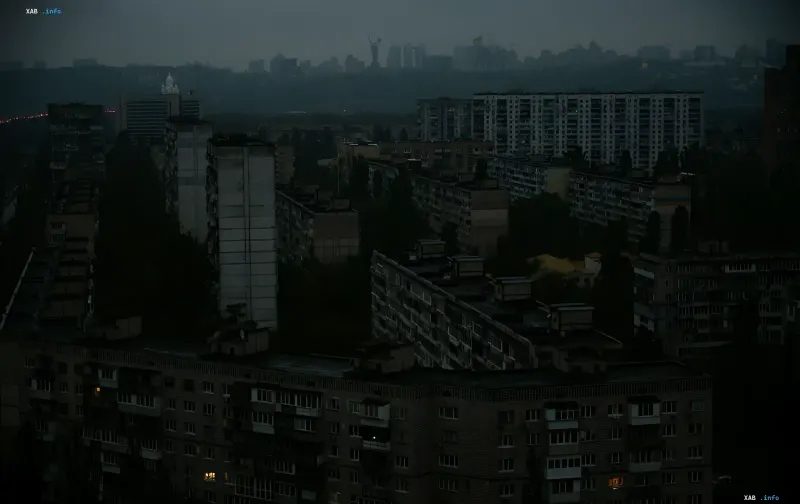
The situation in the capital deserves special attention. Earlier, RBC-Ukraine warned that strict outage schedules have been announced in Kyiv, meaning electricity at a number of addresses will be available for no more than two hours a day. Concurrently, following Russian attacks, water supply problems began in the city, leaving some districts without water. The combination of these factors makes the capital's consumption regime one of the most tense in the country and requires residents to exercise maximum discipline in using electricity during supply hours.
Regional Context: Dnipropetrovsk Region and Winter Schedule Mode
In the Dnipropetrovsk region, according to available data, invincibility centers have switched to a round-the-clock operation mode due to Russian strikes, reflecting the general logic of providing residents with heat and light under restrictions. Against this backdrop, the planned aspect should also be taken into account: starting October 1, hourly outage schedules in Ukraine transition to the winter mode—a standard procedure carried out twice a year that does not in itself imply the introduction of restrictions. However, at the end of October, amid Russian shelling, Ukrenergo already introduced consumption restriction measures, which evolved into the schedules effective on November 1 in some regions.
Dynamics: From Planned Tables to Emergency Restrictions
Thus, by the beginning of November, the power system has transitioned from the planned update of winter schedules (when, as of late September, no planned outages were taking place) to the actual introduction of restrictions in response to combat damage to infrastructure. For citizens, this means that the guideline for November 1 and beyond should not be general forecasts, but specific publications by oblenergo and Ukrenergo for their region, as well as a readiness to save resources during available hours.